

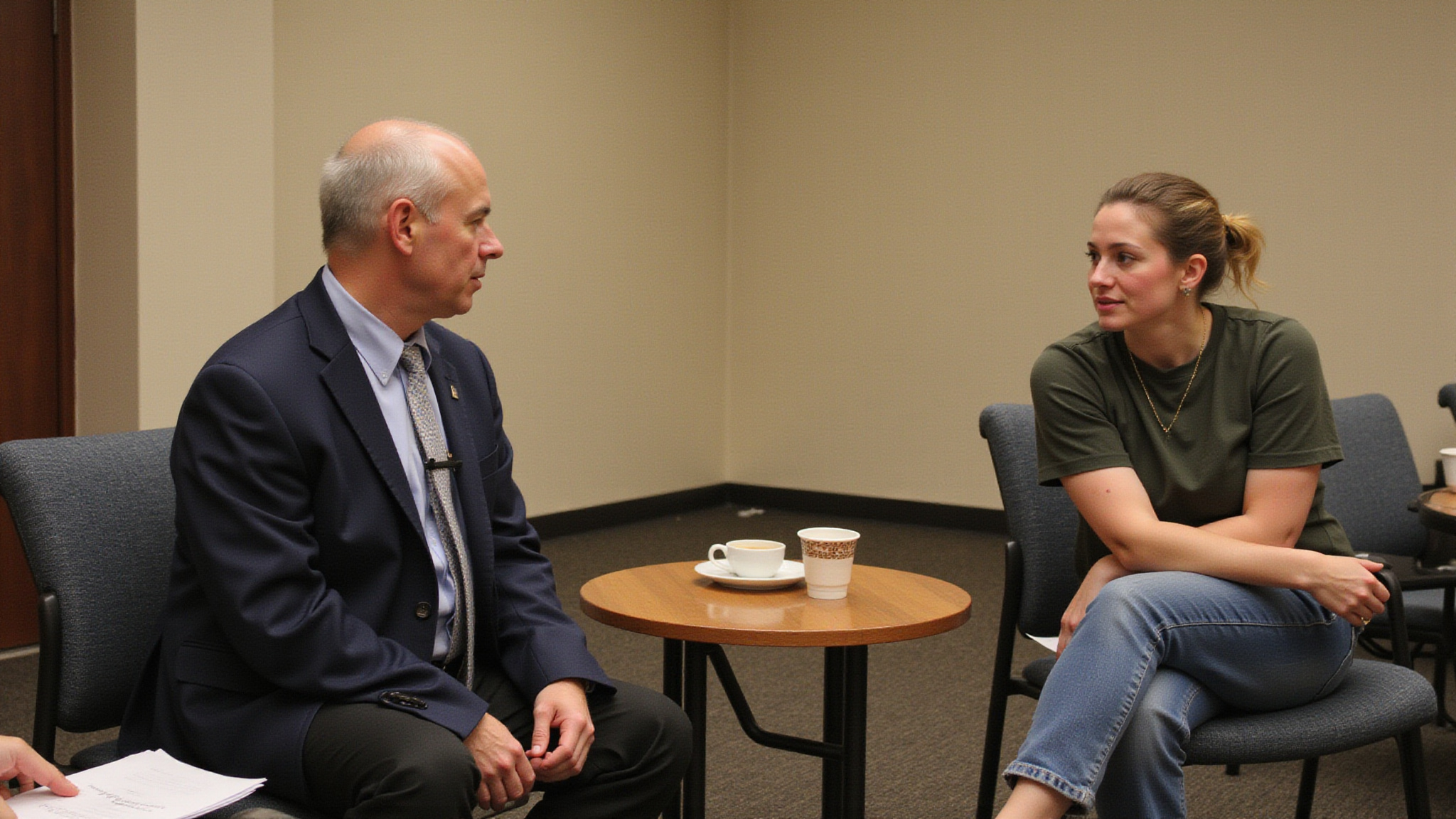





When a stress-driven urge hits, calm your nervous system first. Take slow, deep breaths and ground yourself in the present. If the craving feels overwhelming, leave the high-risk situation right away. Counter the thoughts pushing you toward use with steadier self-talk, and shift your attention to something else. Then reach out. Call a trusted person, sponsor, or therapist the moment the urge surfaces. Knowing why stress fuels these urges makes them easier to manage.
What to Do When Stress Triggers a Relapse Urge

Act as soon as stress triggers a relapse urge: calm your body, leave high-risk situations, and contact support. Roughly 40 to 60% of people with substance use disorders relapse at least once, and unmanaged stress is one of the most common reasons. The urge is real, but you can interrupt it. Slow your breathing, talk yourself down from the thoughts steering you toward use, and if you are somewhere risky, get out. Then call someone you trust, whether that is a sponsor, a friend, or your therapist. Put your energy into something else until the moment passes. Does one relapse undo recovery progress? It can feel like a setback, but relapses are often part of the journey. It’s important to view each experience as an opportunity to learn and reinforce your commitment to recovery.
How Stress Triggers a Relapse Urge in Recovery
Stress pulls at the same brain pathways that once drove your substance use. Under pressure, your brain reaches for the fast relief substances used to provide, which sharpens cravings and muddies your judgment.
Three things happen at once:
- Your body reacts. Stress hormones like cortisol raise anxiety and mimic the discomfort you used to numb.
- Old associations resurface. Feeling overwhelmed brings back the memory of substances as a way to cope.
- Impulse control drops. Ongoing stress weakens your ability to resist, so the urge is harder to sit with.
Seeing how this works lets you step in early instead of reacting on instinct.
Warning Signs of a Stress-Driven Relapse Urge

The signs often show up before the urge itself. You might catch yourself thinking about past use fondly, or telling yourself that casual use is manageable this time. Behavior shifts too: pulling away from people, dropping the hobbies that keep you steady, and drifting back toward old friends and old places.
| Warning Sign | What You Notice | Why It Matters |
|---|---|---|
| Romanticizing use | Recalling substances positively | Motivation is slipping |
| Isolation | Withdrawing from support | Removes protective connection |
| Dismissing recovery | Badmouthing sobriety | Signals real relapse risk |
When you notice yourself dismissing recovery or feeling swamped by stress, take it seriously. Catching it early gives you room to lean on support before a slip happens.
Immediate Steps to Calm a Relapse Urge
Cravings peak and pass, often within minutes, so the goal is to ride out the wave without acting on it. Grounding yourself in the present lowers the stress response feeding the urge.
- Breathe and stay present. Slow, deep breathing calms your nervous system and quiets the thoughts steering you toward use.
- Change your environment. If the craving feels overwhelming, leave the high-risk situation and put your attention on something else.
- Reach out. Call a trusted person, sponsor, or therapist the moment the urge arises.
These steps buy you time and let the craving fade on its own.
Coping Techniques That Help You Manage Stress in Recovery

Regular exercise lowers your overall stress and steadies your mood. Consistent sleep, decent meals, and a predictable routine matter just as much, since poor rest and nutrition leave you more reactive to triggers. A therapist can help you build skills to work through hard emotions instead of bottling them up. It also helps to name your personal stressors and plan around them, so you are not blindsided by the people, places, or situations that reliably set you off. A written relapse prevention plan, built with a therapist or support group, ties all of this together and takes the edge off cravings before they build. Forgiving yourself after a relapse is an essential step in the recovery journey. Acknowledging that setbacks are part of the process allows you to move forward with greater resilience.
Building Long-Term Stress Resilience
Resilience comes from daily habits that keep your baseline stress low, not from willpower in the moment. Alongside a relapse prevention plan, a few habits do most of the work: Relapse rates after rehab can be significantly reduced with the right strategies in place. Developing a strong support network is crucial for maintaining long-term recovery.
- Move your body regularly. Steady exercise lowers stress and makes cravings less intense when they surface.
- Protect the basics. Enough sleep, real meals, and a consistent schedule keep you less reactive to stress.
- Plan around your stressors. Know the people, situations, and activities that destabilize you, and decide ahead of time how you will handle them.
Done consistently, these build protection a little at a time.
When to Reach Out for Help
Reach out as soon as an urge surfaces, not after you have tried to white-knuckle it alone. Waiting for the craving to intensify only raises your risk. Contact a trusted person, sponsor, or therapist the moment the feeling arises, especially if you are stuck in a high-risk situation, if the triggers feel overwhelming, or if you notice early signs like isolating or romanticizing past use. If cravings keep growing despite your coping strategies, talk to your doctor about adjusting or resuming treatment. You can also call the SAMHSA National Helpline at 1-800-662-HELP anytime for free, confidential referrals. Asking early is not weakness. It is what protects your recovery.
Conclusion
Stress, cravings, and life pressure do not disappear in recovery, but they become far easier to face with a plan and people to call. Calm your body, step away from risk, and reach out before the urge takes over. The habits you build on ordinary days are what carry you through the hard ones. You do not have to manage any of it alone.
Protect Your Progress With Trusted Support
A clear plan makes stress and cravings much easier to handle. Through Hopeful Estates serving Bloomingdale, NJ, we help you connect with trusted sober living homes that provide the right Relapse Prevention support built to protect the progress you have fought for. Call (201) 292-0185 today and take back your peace of mind.
Frequently Asked Questions
How long does a single craving actually last?
Most single cravings peak and fade within about 10 to 30 minutes, which is why delaying and distracting yourself works. The urge feels permanent while you are in it, but it is not. It builds like a wave, crests, and drops. Staying in the triggering environment or fixating on the craving can stretch it out, so changing your surroundings usually shortens it.
Does one slip mean I have fully relapsed?
No. A single slip is not the same as returning to regular use, and it does not erase your progress. What matters most is what you do next. Reach out to someone, get back to your routine, and treat the slip as a signal to adjust your plan rather than proof you have failed. Shame tends to drive people deeper, so skip the spiral and re-engage your support right away.
Why am I getting strong cravings years into sobriety?
Cravings can resurface at any stage, even years out, usually triggered by stress or a familiar cue rather than physical need. This is normal and does not mean your recovery is fragile. It is often a sign to revisit coping tools you may have let slide, like grounding, movement, or checking in with someone. The craving passes the same way it always has.
What is “urge surfing” and does it work?
Urge surfing means noticing a craving and letting it rise and fall without fighting it or acting on it, using slow breathing and body awareness to ride it out. Trying to suppress an urge can make it stronger, so this approach treats it as a temporary wave instead. Research on mindfulness-based relapse prevention shows it can lower both the intensity and frequency of cravings over time.
How do I tell the difference between a craving and just being stressed, tired, or hungry?
Many urges are really unmet needs in disguise, which is where the HALT check helps: ask whether you are Hungry, Angry, Lonely, or Tired. If one of those is true, meeting that need directly, by eating, resting, or calling someone, often takes the edge off the craving. If the urge stays strong after that, treat it as a genuine craving and use your coping steps or reach out for support.