
We help you find sober living where the everyday skills of independent life grow stronger, one day at a time.
Rebuilding the ordinary skills of daily life is one of the most important parts of lasting recovery, and you do not have to do it alone. Life skills support means help with the practical habits that independent living depends on, from managing money to holding a job to keeping a steady routine. Hopeful Estates does not run programs or classes. We help you find sober living where these skills are part of everyday life, and we are here to point you toward the right place to start.
Tell us where you are and we will help you find a home that fits. Call us at 201 292 0185 or reach out through our contact page, and we will help you find the right home today.
Addiction tends to pull apart the ordinary structure of life, and rebuilding that structure is what makes recovery hold. When someone has spent months or years with substance use at the center of daily life, basic routines like paying bills on time, cooking regular meals, or keeping a schedule often fall away. Getting them back is not a minor detail. It is a large part of what keeps recovery steady once treatment ends.
The reason is simple. When everyday responsibilities feel manageable, there is less stress and less chaos to trigger a return to old habits. Steady routines, a handle on money, and a sense of being able to cope with normal life all lower the pressure that so often leads to relapse. Learning or relearning these skills gives a person confidence, independence, and a real footing for the life they are building.
Life skills in recovery cover the practical and personal abilities that daily life runs on. They tend to fall into a few clear areas, and most people find some come easily while others need real practice.
| Skill Area | What It Looks Like |
|---|---|
| Managing Money | Building a simple budget, paying bills on time, chipping away at debt, and starting to save |
| Work and Purpose | Job searching, resume and interview practice, and finding meaningful daily activity |
| Home and Health | Cooking, nutrition, keeping a clean living space, sleep, and exercise |
| Time and Routine | Planning a realistic week, keeping appointments, and leaving room for recovery |
| Relationships | Clear communication, setting boundaries, and rebuilding trust with the people who matter |
| Coping and Emotions | Handling stress, recognizing feelings, and responding without turning to substances |
None of these has to be mastered overnight. Most people pick one area at a time and build from there, which is far easier to do in a setting where the daily environment already supports it.
Life skills grow best through daily practice, not one time lessons, which is why where a person lives matters so much. A sober living home builds these habits into ordinary life. Residents keep a routine, share responsibility for the home, manage their own money and time, and live alongside others working on the same things. That repetition, in a stable and substance free setting, is what turns a good intention into a lasting habit.
Living among peers adds something a classroom cannot. People swap what works, hold each other accountable, and turn everyday tasks like cooking or budgeting into shared, encouraging routines. The structure of the home gives a gentle framework, and the independence it allows lets someone practice standing on their own before fully stepping out.
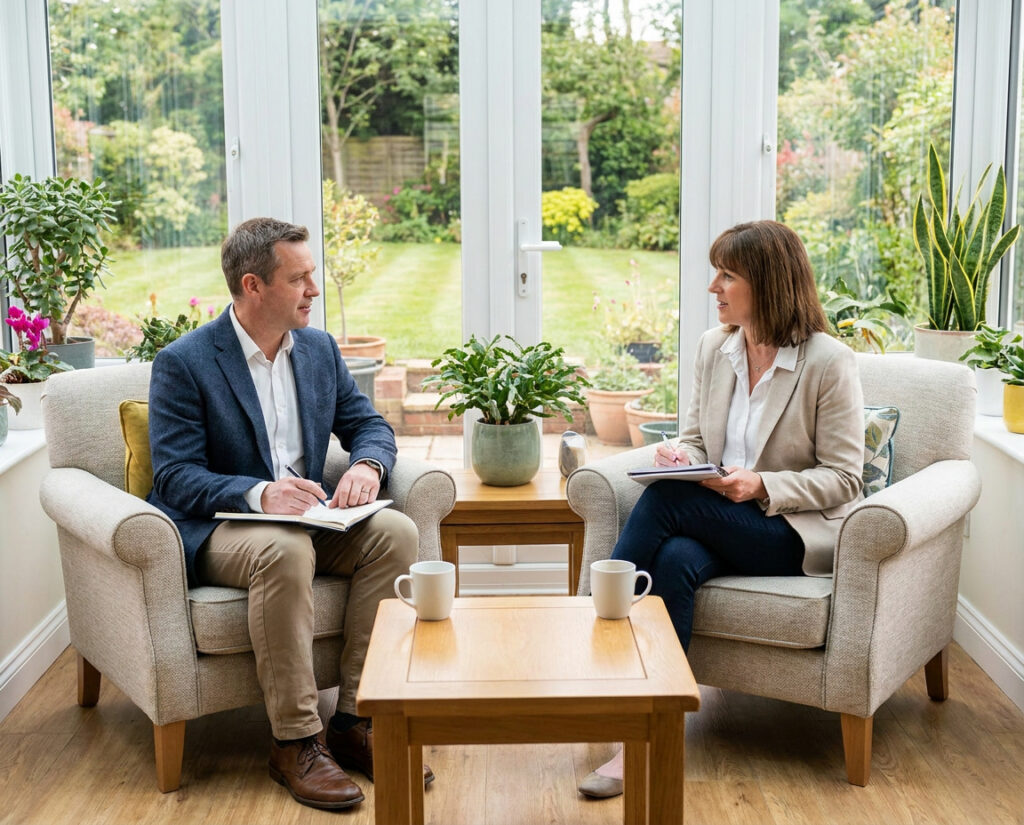


Building life skills works best when it is broken into small, repeatable steps rather than tackled all at once. Many people pick one area to focus on at a time, a budgeting week, a meal planning week, a week for tightening up a daily schedule, and let each small win build confidence for the next. Keeping the plan visible, in a simple planner or a notes app, makes it easier to follow through when motivation dips.
The other half is not doing it alone. Sharing a plan with a house manager, a peer, or someone else who can check in turns a private goal into a supported one. In a sober living home this happens naturally, since residents are working on similar things at the same time and can trade what works. Money resets often start with a simple budget of income and fixed costs. Routines steady when sleep and meals stay consistent. Work goals grow from small, achievable steps. None of it depends on willpower alone, which is exactly why the right environment matters so much.
We help you find the right place for this kind of growth to happen. Hopeful Estates helps people across New Jersey find sober living that fits their recovery. Wherever you are starting from, we connect you with homes where routine, structure, and peer support are part of daily life. We do not run those homes ourselves. We listen to your situation and point you toward a place where the skills of everyday life can grow stronger.
A good sober living home often brings several kinds of support together, and we help you find one that fits. You can learn more on our sober living homes page.
Recovery is about building a life, not just staying sober, and the right home makes that easier. Tell us where you are and we will help you find sober living where the skills of everyday life grow stronger. Call us at 201 292 0185 or send a confidential message, and we will start today.
Yes. Skills that faded during active addiction come back with steady practice, and many people rebuild them faster than they expected once they are in a stable environment. Progress usually comes one area at a time, not all at once.
No. It helps anyone rebuilding daily life in recovery, whether they are stepping down from a program, leaving an unstable home, or simply finding that ordinary routines slipped away. The common thread is wanting a steadier footing.
That is one of the most common starting points. Budgeting, paying down debt, job searching, and interview practice are core parts of rebuilding independence, and a structured home gives room to work on them without the pressure of doing it alone.
There is no fixed timeline, and it depends on where someone is starting from. What matters more than speed is repetition in a supportive setting, which is exactly what daily life in a sober living home provides.
We are the connector. We do not run classes or homes, but we listen to your situation and help you find sober living where this kind of growth is built into everyday life.
Call us at 201 292 0185 or send a confidential message. Tell us what you are working toward and we will help you find a sober living home that supports it.
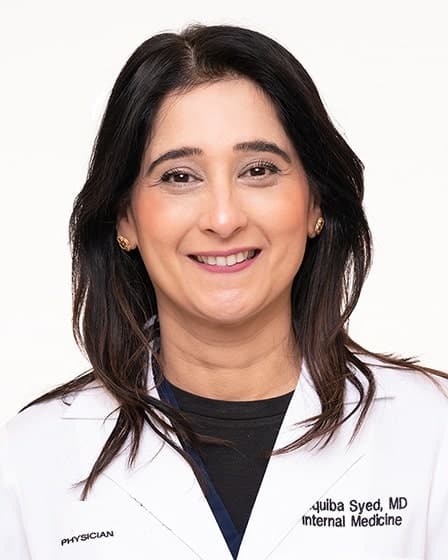
Dr. Saquiba Syed is a board certified internal medicine physician based in Jersey City, New Jersey, affiliated with Jersey City Medical Center and other hospitals in the area. She earned her medical degree from King Edward Medical University and has more than 20 years of clinical experience in primary and hospital care. Dr. Syed reviews this page for medical accuracy.