
Confidential help connecting you with sober living homes and recovery support.
Sober living homes are substance free residences where people in recovery live with structure, accountability, and peer support. Hopeful Estates helps you find one. We are a referral service, not a housing provider, so we connect you with sober living homes and help you find treatment when it is the right next step. Our team is available 24/7.
Choosing where to live in early recovery matters, and you do not have to decide alone. Call us at (201) 292-0185 or reach out through our contact page, and we will help you find the right home today.
A sober living home is a drug and alcohol free residence for people rebuilding daily life after treatment or during early recovery. Residents keep to shared house rules, submit to random drug testing, attend meetings, and hold jobs or go to school while living alongside others working toward the same goal. Sober living sits between intensive treatment and living fully on your own.
It is not a treatment center, and it is not clinical care. That distinction shapes what a home does for you: it gives you a stable, sober environment and a community, not on site therapy or medical supervision. It also explains the cost. Because sober living is housing rather than treatment, insurance usually does not cover the rent itself, though it may cover related outpatient care attended while living there.
The National Alliance for Recovery Residences (NARR) sets the recognized quality standards these homes are measured against, describing a spectrum of recovery residences from peer run houses to homes with clinical coordination. NARR certification is the most widely trusted signal of a safe, well run home, and in many states homes also carry a state license.
Sober living homes are not all the same, and the National Alliance for Recovery Residences sorts them into four levels based on how much structure and staffing each provides. Knowing the levels helps you choose a home that matches where you are in recovery.
Democratically run homes with no paid staff, held together by house rules and peer accountability. Oxford Houses are the best known example. Best suited for people with a solid recovery foundation who want independence with peer support.
A house manager or senior resident oversees the home, with written rules, drug testing, and regular house meetings. Best suited for people who want a middle ground of structure without full staffing.
A trained staff, an organizational structure, life skills support, and coordination with outside clinical care. This is best suited for people stepping down from treatment, who benefit from active supervision.
The most structured setting, with credentialed staff and clinical services provided on site. Closer to treatment than housing. Best suited for people with higher clinical needs who are not ready for independent living.
When you reach out, we help you understand which level fits your situation and connect you with homes at that level.
Daily life in a sober living home is built around routine, responsibility, and staying connected to recovery. Residents are typically expected to hold a job, attend school, or actively look for work, so the day has structure rather than empty time.
Shared responsibility is part of the model, and it builds the accountability that supports long term recovery. The point is not restriction for its own sake. Living alongside others working toward the same goal, with a predictable routine and steady peer support, is what makes sober living effective for so many people. When you reach out, we can explain what to expect and connect you with homes whose structure fits your needs.
Sober living, halfway houses, and going straight home differ in who they are for and how much structure they carry. The comparison below lays out the practical differences.
Voluntary, chosen after treatment or in early recovery. House rules, testing, meetings, and accountability. Length of stay is flexible, and the structured peer environment keeps relapse risk lower.
Often court or corrections mandated, with supervision frequently tied to probation or parole. Stays are usually time limited whether or not the person is ready to leave.
No structure built in. It works only when home is stable and substance free, and relapse risk is highest when it is not.
Sober living is the voluntary choice for someone who has done the work of getting sober but is not ready for the full weight of independent living. A halfway house is usually tied to the justice system and comes with supervision, and stays are often capped whether or not the person is ready to leave. Going straight home works only when home is stable and substance free, which for many people in early recovery it is not.
Sober living fits best when returning home carries real relapse risk. It suits people who are committed to recovery but do better with routines and accountability while they rebuild work, relationships, and daily life.
Families are often the ones searching. Many people who reach out are parents, partners, or friends trying to find the right next step for someone they love. We help them the same way we help anyone, by talking through the situation and pointing toward sober living options that fit.
Sober living homes vary widely in quality. In most states they are not licensed, inspected, or held to a minimum standard, so the label covers everything from professionally run, certified residences to poorly run homes with little accountability. Knowing what to look for protects you and your recovery. Strong homes tend to share a few clear signs.
A home that advertises no real rules is a warning sign rather than a selling point. When you reach out, we can point you toward homes and help you ask the right questions before you commit.
Sober living works best alongside the support that keeps recovery on track. We connect you with more than housing.
One on one guidance and goal setting from someone who has walked the path.
Help finding structured support to spot triggers early and stay ahead of them.
Connections to resources for budgeting, employment, and daily routines.
Help for families learning how to support a loved one.
Links into recovery communities, meetings, and sober networks.
Matching with mentors who model long term recovery.
Help finding licensed providers for co occurring mental health needs.
Sober living is often one step in a longer recovery. When you need more than housing, we can also point you toward treatment options that fit where you are.
Supervised withdrawal for people who need to stabilize safely before the next step.
Live in clinical care for those who need structure and support around the clock.
Treatment you attend while living at home or in sober living, including intensive outpatient.
Getting started takes one call. Reach out by phone or send a confidential message, tell us where you are in recovery and what you need, and we will connect you with sober living options. Hopeful Estates does not own or operate sober living homes. We help you find the right one and connect you with treatment when it is needed.
No. Hopeful Estates is a referral service, so we do not own or operate any homes. That independence is the point: our recommendations are based on what fits you, not on filling beds we own.
There is no fixed limit, and most people stay several months to a year. Published research on sober living has found that staying longer than six months is linked to stronger long term recovery, so the right length depends on steady progress rather than a set deadline.
Costs vary by home, and because sober living is housing rather than treatment, insurance usually does not cover the rent. It may cover related outpatient care you attend while living there. We help you understand the full cost before you commit.
Sober living is voluntary and flexible, chosen by someone continuing their own recovery, while a halfway house is often tied to the justice system with supervision and set time limits. The two are frequently confused, but they serve different situations and different people.
Not always. Many residents come straight from detox, residential, or outpatient programs, but sober living can also suit someone leaving an unstable home who already has a foundation of sobriety. If we think you would be better served by treatment first, we will tell you honestly.
Start with one call. A large share of the people who reach out are parents, partners, and friends, and we walk you through the options, explain how placement works, and help you find a home suited to your loved one’s stage of recovery.
Look for NARR aligned certification, a state license where required, clear house rules with regular drug testing, and an involved on site manager. If you are not sure how to judge a home, we help you ask the right questions before you decide.
Hopeful Estates helps people and families find sober living homes across North Jersey. Explore the areas we serve.
You do not have to sort through dozens of listings on your own. Tell us your situation and we will connect you with sober living options. Call us at (201) 292-0185 or send a confidential message, and we will start today.
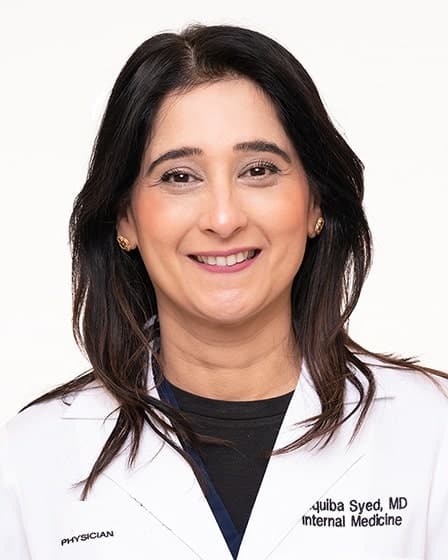
Dr. Saquiba Syed is a board certified internal medicine physician based in Jersey City, New Jersey, affiliated with Jersey City Medical Center and other hospitals in the area. She earned her medical degree from King Edward Medical University and has more than 20 years of clinical experience in primary and hospital care. Dr. Syed reviews this page for medical accuracy.