

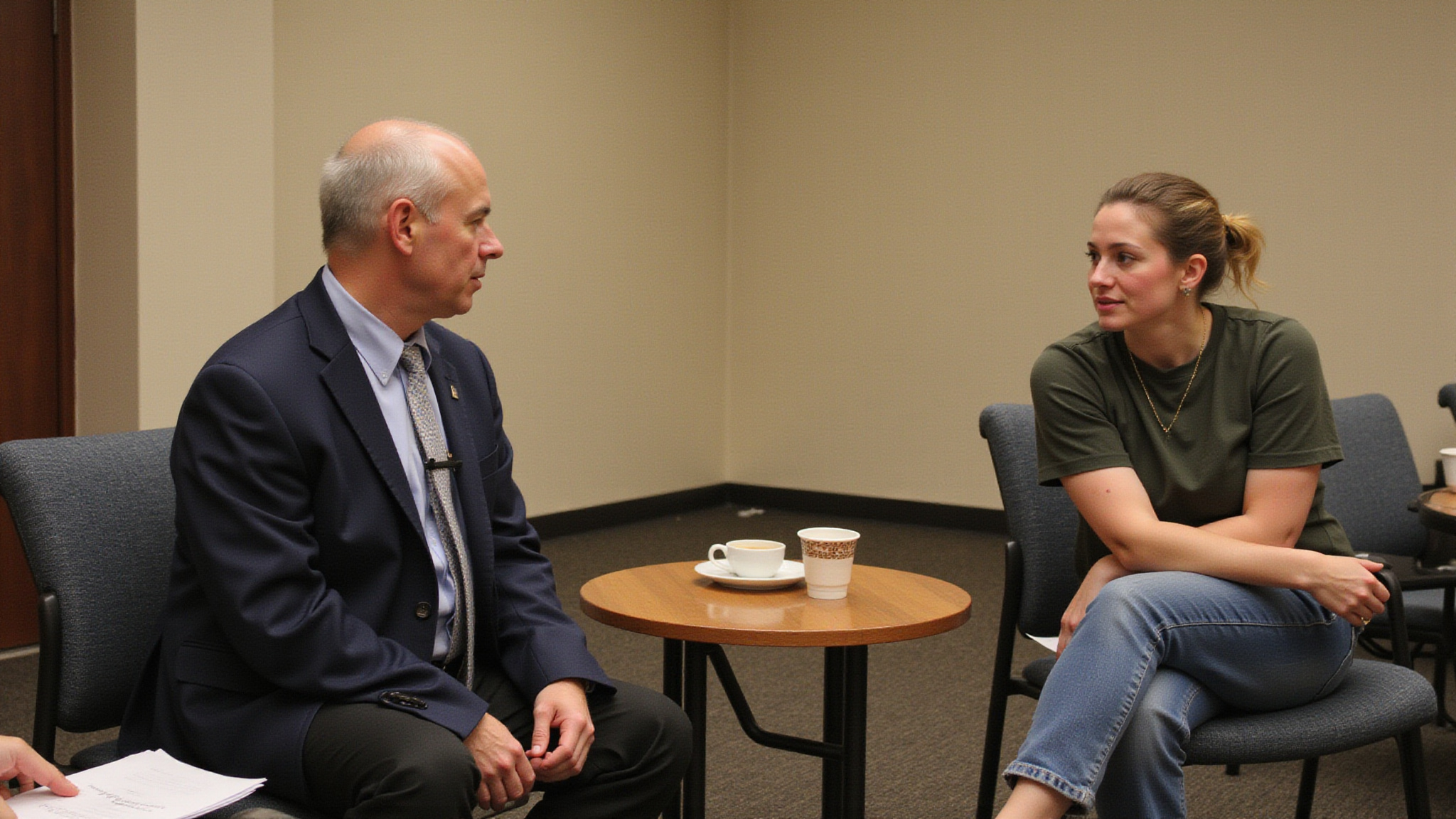





Relapse after rehab is common. Research shows 40, 60% of people return to use, a rate that matches recurrence in chronic conditions like diabetes, hypertension, and asthma. It does not mean you have failed. Risk is highest early: 65, 70% of relapses happen within the first 90 days, and over 85% happen within the first year. Knowing why relapse happens and how to spot the warning signs helps you protect your recovery. One relapse and recovery progress can be viewed as part of the journey rather than a definitive failure. Understanding the cycle of relapse provides valuable insights that can strengthen one’s commitment to sobriety.
Key Takeaways
- 40, 60% of people relapse after treatment, according to the National Institute on Drug Abuse.
- Most relapses happen early: 65, 70% occur within the first 90 days after leaving rehab.
- Over 85% of relapses occur within the first 12 months.
- Relapse reflects addiction as a chronic illness, comparable to hypertension, diabetes, and asthma, not a moral failure.
- Common triggers include stress, depression, cravings, and returning to old friends or familiar places.
How Common Is Relapse After Rehab

Relapse after rehab is common, affecting 40, 60% of people after treatment, according to the National Institute on Drug Abuse. These rates line up with other chronic conditions like hypertension, diabetes, and asthma, so a relapse does not mean treatment did not work.
Timing matters. Around 65, 70% of relapses happen within the first 90 days after leaving rehab, and over 85% happen within the first 12 months. This is why extra support during those early windows makes a real difference.
What Relapse Rates After Rehab Actually Show
Relapse rates show that addiction behaves like a chronic condition, not a personal failing. The 40, 60% range mirrors the recurrence patterns found in hypertension, diabetes, and asthma.
| Chronic Condition | Relapse/Recurrence Rate |
|---|---|
| Substance Use Disorder | 40, 60% |
| Diabetes / Asthma / Hypertension | Comparable ranges |
A return to use signals a need to adjust the plan, not proof that treatment failed. Recovery often includes setbacks, and each one shows you something you can use to stay sober longer.
Why Relapse Is So Common After Rehab
Stress, depression, cravings, and environmental triggers often intensify after treatment. Old friends or familiar places can bring cravings back quickly. Higher depression scores predict a shorter time to relapse, and stronger cravings during abstinence point to greater risk.
The first 90 days are the hardest, when withdrawal discomfort and the pressure of adjusting to daily life are at their peak. Recognizing these vulnerabilities helps you prepare for them instead of being caught off guard.
What Factors Increase the Risk of Relapse After Rehab
Research points to a few consistent factors that raise relapse risk. Knowing them lets you build coping strategies before challenges arrive.
- Stress and depression: Higher depression scores predict a shorter time to relapse, and daily stress is a leading trigger.
- Environmental cues: Contact with old friends or returning to familiar places can reignite cravings.
- Persistent cravings: Strong cravings during abstinence are one of the clearest predictors of returning to use.
- Lower education: Studies show a 53% relapse rate among less-educated individuals, compared with 35% for college graduates.
What Are the Warning Signs of Relapse After Rehab
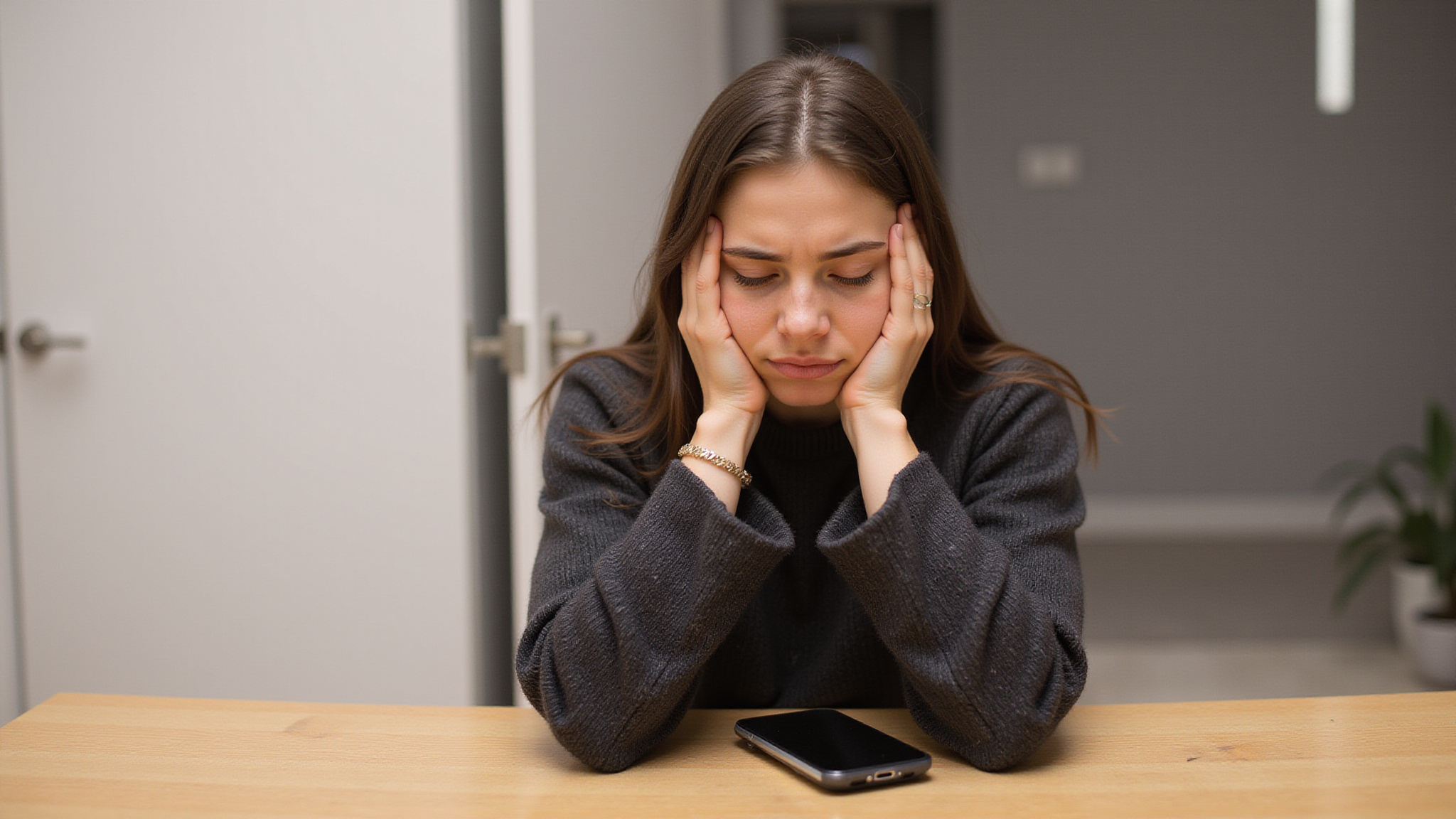
Warning signs include rising stress, depression, heightened cravings, pulling away from your support system, skipping meetings, and downplaying your recovery. Regular AA attendance is linked to significantly better abstinence rates, so a drop in attendance is worth watching.
Behavior changes matter too. Reconnecting with old friends or returning to familiar places can trigger cravings. You may start to romanticize past use, isolate yourself, or neglect sleep and self-care.
Stay especially alert during the first 90 days, when 65, 70% of relapses occur. Catching these signs early gives you time to reach out and protect your progress.
How Can You Lower Your Risk of Relapse After Rehab
You can lower your risk by building support, avoiding triggers, managing your mental health, and acting quickly when cravings hit. The first 90 days are the most critical window.
- Attend support meetings regularly. Consistent attendance is linked to stronger long-term abstinence.
- Avoid people and places tied to past use. Old friends and familiar locations often trigger cravings.
- Treat depression and stress. Ongoing care lowers one of the biggest relapse risks.
- Monitor cravings and warning signs, and act early rather than waiting for them to build.
Conclusion
Relapse is common after rehab, but it is not the end of recovery. The 40, 60% rate reflects the chronic nature of addiction, and the highest risk sits in the first 90 days. With the right support, honest awareness of your triggers, and a plan for cravings, you can move through those early months and hold on to your progress. A setback is information, not a verdict.
Protect Your Progress With Trusted Support
Cravings, stress, and everyday pressure do not disappear in recovery, but a clear plan makes them easier to face. Through Hopeful Estates serving Bloomingdale, NJ, we help you connect with trusted sober living homes that provide the right relapse prevention support built to protect the progress you have worked for. Call (201) 292-0185 today.
Frequently Asked Questions
Does relapsing mean I have to start my recovery over from day one?
No. A relapse does not erase the progress you made or the skills you built in treatment. Many people count sober time again for their own tracking, but the coping tools, relationships, and insight from your recovery are still yours. What matters is how quickly you reach out and get back on track, not the number on a chip.
Do I have to go back to rehab if I relapse?
Not always. Some people get back on track by returning to meetings, reconnecting with a counselor, or adding structure like a sober living home. Others benefit from a higher level of care again, especially after a longer return to use. The right step depends on how far the relapse went and what support you already have in place. Talking it through with a professional helps you decide.
When is relapse most likely to happen after rehab?
The first 90 days after leaving rehab carry the highest risk, with 65, 70% of relapses happening in that window. Over 85% occur within the first year. This is when withdrawal, stress, and the adjustment to daily life are hardest, which is why building extra support during those early months matters most.
How do I tell my family I relapsed?
Be honest and direct. Let them know what happened, that you are taking it seriously, and what you plan to do next. Most families are more relieved by openness than they are angry about the relapse. If those conversations feel overwhelming, family support and peer support can help you rebuild trust and keep everyone on the same page.
Is one slip the same as a full relapse?
They are different. A slip is a single, brief return to use, while a relapse is usually a longer return to old patterns. A slip does not have to become a relapse. Acting quickly, calling a support person, and getting back to your routine can stop it from going further. Either way, reaching out early is the safest response.