
Sober living in NJ costs a few hundred to over a thousand dollars a month at most homes. See what rent covers, upfront fees, insurance rules, and state programs that help you pay.

Most sober living homes in New Jersey charge between $450 and $750 per month with utilities included, and the statewide average is around $800. Oxford Houses run lower, roughly $400 to $700, while upscale homes in North Jersey can reach $1,400 to $1,800. Expect to pay first month’s rent plus a deposit upfront, and plan on covering your own groceries. Insurance almost never pays the rent, but it often covers the outpatient treatment you attend while living there.
The honest answer is a range, because a sober living home is priced like housing, not like treatment. Across the state, monthly rent runs from about $300 at the most basic homes to $2,000 at the highest end, but the middle of the market is much narrower. Multiple New Jersey providers quote $450 to $750 per month with utilities included, and an operator writing about the industry put the statewide average at about $800 a month.
Three price tiers cover almost every home you will find here:
For comparison, national pricing runs from $500 to $5,000 per month, so New Jersey’s mainstream market sits toward the affordable end despite the state’s housing costs.
At most New Jersey homes, the monthly fee includes a furnished bed or room, utilities, Wi-Fi, shared kitchen and common areas, and the structure that makes the house work: house meetings, curfews, chores, and a substance free environment. Drug testing is sometimes bundled into rent and sometimes billed separately, so ask which one applies before you commit.
What stays on you: groceries, medications, phone, transportation, and personal items. A few homes include meals or transportation to outpatient care, but that is the exception. The practical move is to request an itemized list of what the fee covers in writing, because “all-inclusive” means something different at every house.
The first month is the most expensive month. Most homes ask for first month’s rent plus a security deposit, often equal to another month, and some require first and last month upfront. A one time application fee, background check fee, or intake drug screen can add a modest amount on top. A few New Jersey homes offer weekly rates instead of monthly, which can make the entry cost easier to manage while you are getting back to work.
Two rules protect you here. First, get every move in charge itemized in writing before paying anything. Second, get the refund policy in writing at the same time: what happens to prepaid rent and your deposit if you leave early, break a rule, or relapse. Residents in recovery forums describe losing weeks of prepaid rent after an abrupt exit, and a written policy is your only real protection.
Almost never for the rent itself. Health plans are required to cover addiction treatment, but sober living homes do not provide clinical treatment, so the housing falls outside that requirement. Insurance coverage works the same way across most plans: the rent is yours, while the outpatient program, therapy sessions, and medications you use while living in the home are often covered. New Jersey Medicaid follows the same pattern and does not pay sober living rent.
One warning that belongs in every cost conversation: never hand your insurance card to a sober living operator. Your insurance should be billed only by your treatment provider. A house that wants your insurance information for the housing itself is a house to walk away from.
The normal pattern is simpler than most families expect. Residents work. Most homes require employment or an active job search anyway, and many people find work within their first few weeks and pay rent from income like any other tenant. Until then, the common bridges are personal savings, family covering the first month or two, and in some homes, a short rent deferral until the first paycheck arrives.
For families, the cleanest structure is to pay the house directly rather than giving cash, set a defined window such as the first two or three months, and agree on the basics up front: house rules get followed and outpatient care continues. That keeps the help supportive instead of open-ended.
New Jersey has more assistance than most people realize, largely because the state is directing serious money at recovery housing.
Context makes the numbers easier to judge. A 30 day treatment program costs $200 to $400 per day, which means an entire month of sober living in New Jersey costs roughly what one or two days of inpatient care does. Sober living is not treatment and does not replace it, but as a monthly expense it belongs in the housing category, not the healthcare category.
Against ordinary renting, the comparison is closer than most people assume. A room in much of New Jersey rents for a similar amount once you add utilities, internet, and furniture, none of which come with a standard lease. The difference is who you live with. A regular apartment gives you roommates who may drink or use. A sober home gives you housemates who are all protecting the same thing you are. If you are weighing this decision right now, our guide on going home or choosing sober living after rehab covers what the research says about each path.
Price differences usually come down to boring factors: room type, location, property quality, and staffing. One New Jersey specific factor is pushing licensed homes upward: since January 2025, licensed sober living residences must have paid staff on site overnight, from 7 p.m. to 7 a.m. That compliance cost shows up in rent, so a licensed home charging somewhat more than an unlicensed one is often charging for oversight, not padding profit.
The signal to fear runs the other way. Free or heavily discounted rent tied to attending a specific treatment center is the classic patient brokering setup that state investigators documented across New Jersey, and it is now a third degree crime. If a price looks too good to be true, the house is probably being paid through your insurance. Before money changes hands anywhere, run the checks in our guide on how to verify a sober living home in New Jersey.
Every home Hopeful Estates refers to has been vetted for licensing, safety, and honest pricing, so the number you hear upfront is the number you pay. We will walk you through the true all in cost of sober living homes that fit your budget, connect you with recovery support services your insurance may cover, and point you to assistance programs if money is the obstacle. Call (201) 292-0185 for a free, confidential conversation about what you can afford and what it will actually cost.
Get real prices for vetted sober living homes
Most New Jersey homes charge $450 to $750 per month with utilities included, and the statewide average is around $800. Oxford Houses run roughly $400 to $700 through their shared expense model, standard homes range up to about $1,400, and upscale residences reach $1,800 in the priciest markets.
Almost never for the rent, because sober living is housing rather than clinical treatment, which puts it outside what health plans are required to cover. Insurance often does cover the outpatient program, therapy, and medications you use while living in the home. New Jersey Medicaid follows the same rule and does not pay sober living rent.
Typically a furnished room, utilities, Wi-Fi, shared living spaces, and the house structure, including meetings and supervision. Drug testing is included at some homes and billed separately at others. Groceries, medications, and personal expenses stay on you. Ask for an itemized written breakdown, because all-inclusive means something different at every house.
Plan for first month’s rent plus a security deposit, often equal to one month, and possibly small application or intake screening fees. Some homes require first and last month. The first month is always the most expensive, so budget for it specifically, and get every charge itemized in writing before paying.
Often, yes. Most homes expect employment within your first few weeks rather than on day one, some allow a short rent deferral until your first paycheck, and family paying the house directly for a defined period is the most common bridge. State and county assistance programs can also help if you are coming straight from treatment.
Yes. New Jersey has funded interim sober housing for people leaving treatment, opioid settlement money is being directed into temporary housing for adults discharged from inpatient care, county human services offices maintain housing assistance lines, and some homes offer scholarships or sliding scale rates. Ask your treatment provider what is available before discharge.
Much cheaper than treatment. A 30 day program costs $200 to $400 per day, so a month of sober living costs about what one or two days of rehab does. Against an apartment, the price is comparable to renting a room in New Jersey once you count utilities and furniture, with the difference being a household built around staying sober.
Not automatically. Price tracks room type, location, and staffing rather than recovery quality, and licensed New Jersey homes carry real compliance costs, including required overnight staff since 2025. The dangerous signal points the other way: free or deeply discounted rent tied to one treatment center is a patient brokering red flag, not a bargain.
Yes, with structure. The family pays the house directly instead of handing over cash, the help has a defined timeline such as the first two or three months, and the expectations are agreed upfront: follow the house rules and stay engaged in outpatient care. Support with boundaries is help, not enabling.
It depends entirely on the house policy, which is why refund terms belong in writing before you pay. Ask specifically what happens to prepaid rent and your deposit if you leave voluntarily, break a rule, or relapse. A home that will not put its refund policy on paper is telling you how a dispute would go.
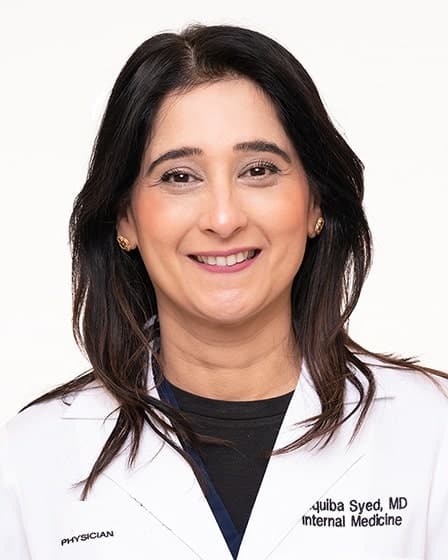
Dr. Saquiba Syed is a board certified internal medicine physician based in Jersey City, New Jersey, affiliated with Jersey City Medical Center and other hospitals in the area. She earned her medical degree from King Edward Medical University and has more than 20 years of clinical experience in primary and hospital care. Dr. Syed reviews this page for medical accuracy.