







Before you move into a new sober living home, pack the essentials that support your recovery. Bring your photo ID, insurance card, and medications in their original containers. Pack about a week’s worth of weather-appropriate clothing, comfortable closed-toe shoes, and basic toiletries. Don’t forget bedding, hangers, and a few comforting mementos. Leave prohibited items, like alcohol, drugs, and weapons, behind. Keep going to learn exactly what belongs on your packing list and what’s best left at home.
Key Takeaways
- Bring essential personal and financial items like a photo ID, insurance card, emergency contact list, and some cash for incidentals.
- Pack medications in their original pharmacy containers along with a current list of doses for easy access during intake.
- Include about a week’s worth of weather-appropriate clothing, sleepwear, closed-toe shoes, and basic toiletries.
- Prepare bedding and comfort items such as sheets, pillows, blankets, hangers, and recovery books, checking house rules first.
- Avoid prohibited items including alcohol, illegal drugs, paraphernalia, weapons, candles, incense, and pornographic materials.
what to bring to sober living house
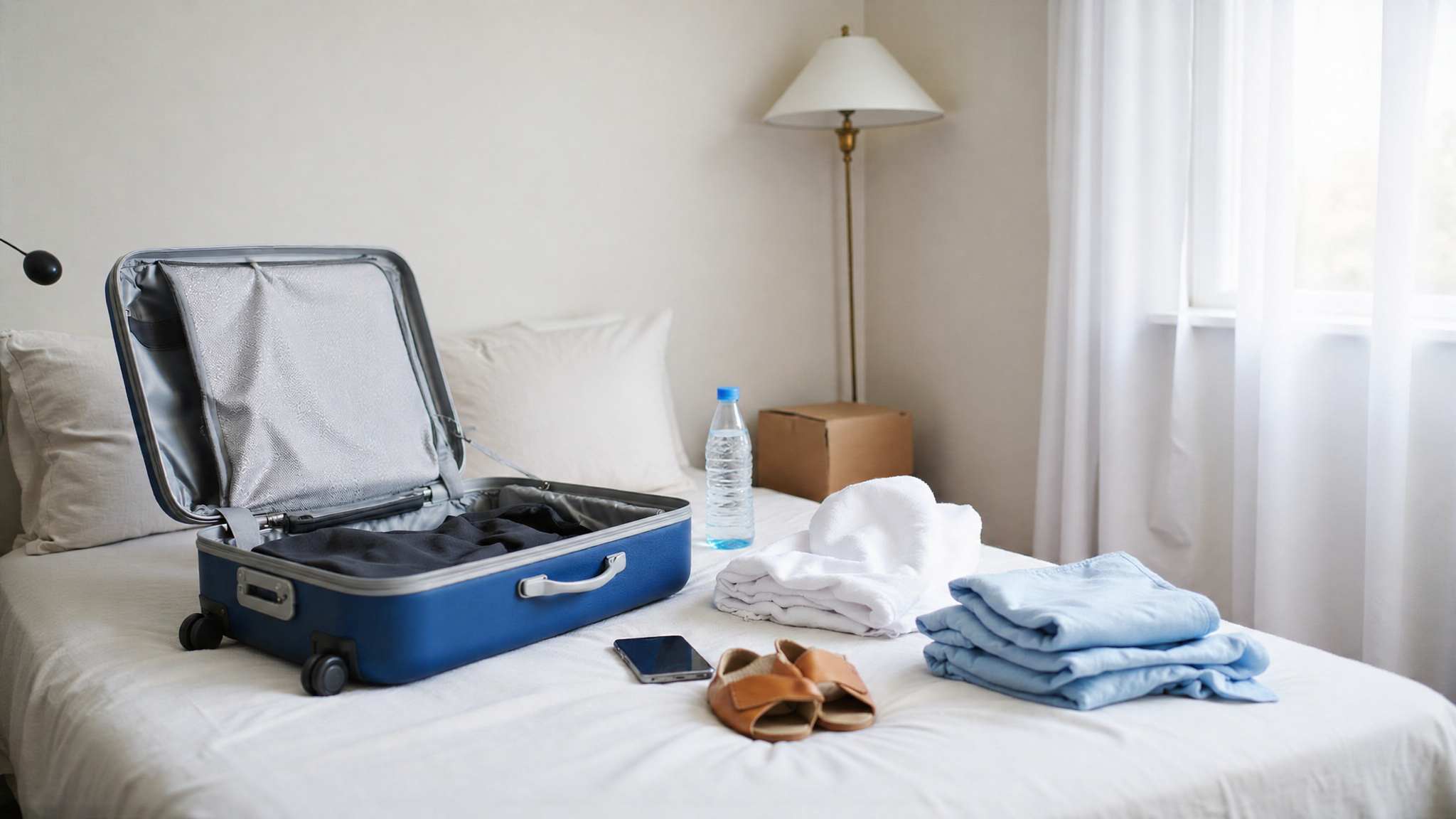
Bring your personal documents and a little money to a sober living home, including a photo ID, insurance card, emergency contacts, and some cash or a debit card for incidentals. Application requirements for sober living homes can vary by facility, so it’s essential to check in advance. Ensuring you meet all the necessary criteria will help streamline your transition into a supportive living environment.
Bring about a week’s worth of clothing, including weather-appropriate layers, sleepwear, and comfortable closed-toe shoes. Pack your toiletries too: a toothbrush, toothpaste, soap, deodorant, shampoo, and a towel or two.
Don’t forget your medications in their original pharmacy containers, along with a list of current doses. Add bedding, a journal, and a few comforting mementos. These essentials help you settle in and focus on your recovery.
What essential documents should you bring
Bring a government-issued photo ID so staff can confirm who you are without any hassle. Pack your insurance card or insurance information, too, because it supports billing and helps coordinate your medical care. Jot down an emergency contact list, keeping key phone numbers handy during those first uncertain days. Depending on the home or program, you might also need court documents or employment paperwork, so check ahead. Keep a little cash or a debit card for laundry, transportation, and small store runs. As you’re gathering these, set aside your bedding and recovery books, too, so you’ll feel grounded and prepared from the moment you arrive. Exploring sober living without rehab can provide individuals with valuable insights and skills to navigate daily life. Many find that creating a supportive community is essential to their journey.
What clothing and personal items are recommended
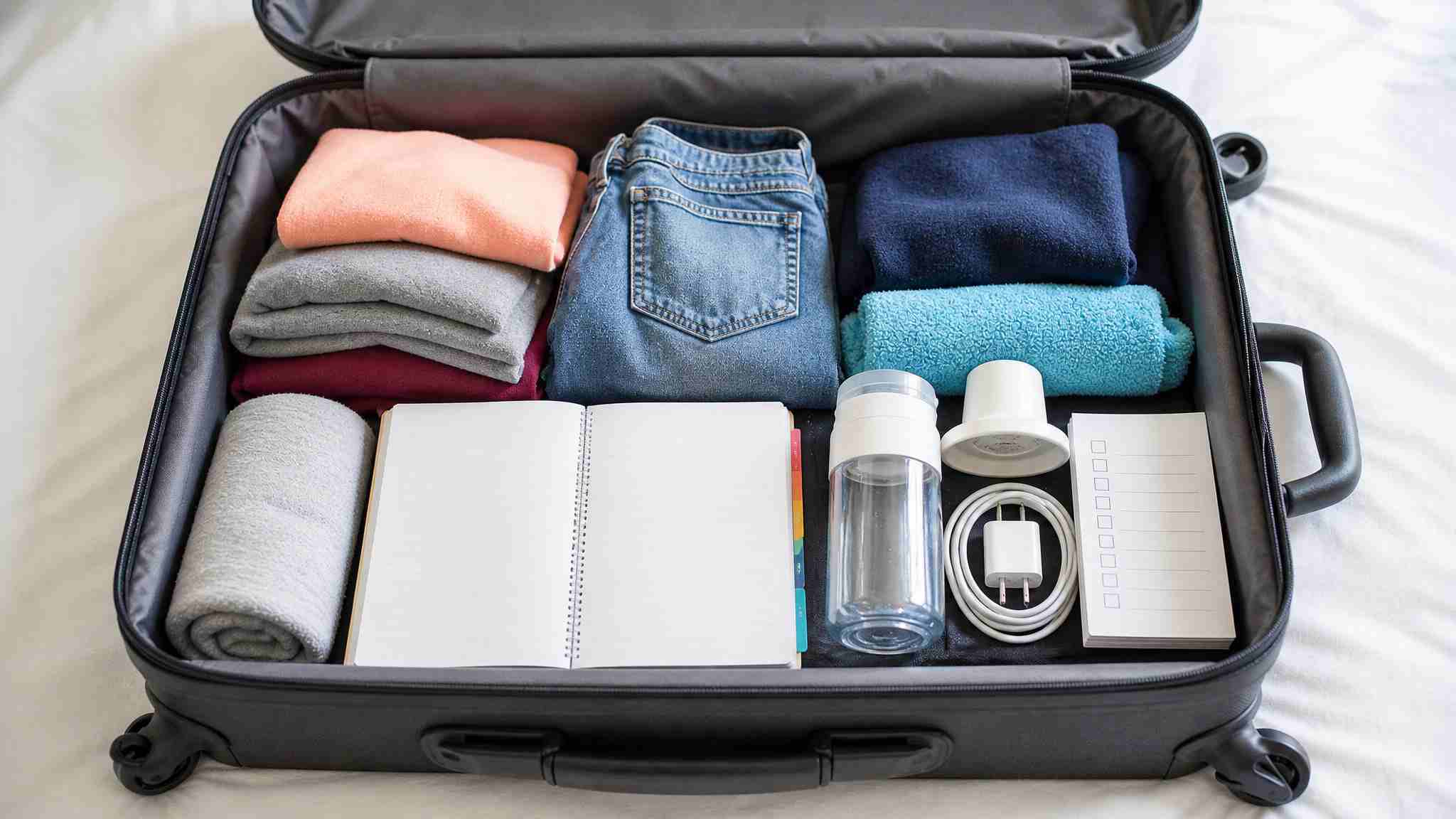
Recommended clothing and personal items include a week’s worth of clothing, which gives you enough to settle in without overpacking, so aim for that as your baseline. Pack weather-appropriate layers so you’re ready as seasons shift or when outdoor activities come up. Bring enough sleepwear, underwear, and socks to get through the week comfortably. Comfortable shoes matter, and you’ll want at least one pair of closed-toe shoes for safety and everyday wear. Think about your routine, too. If you’re job hunting or working, add interview attire or work clothes, and toss in workout gear if you plan to stay active. Keep your hygiene basics covered with a toothbrush, toothpaste, soap, deodorant, shampoo, and a comb. A couple of towels and washcloths round things out. Pack what supports the life you’re building.
What bedding and toiletries should you pack
Pack the basics for your bed: sheets, pillows, and a blanket or comforter. Check the house rules first, since some homes ask you to bring a mattress pad. Grab a few plastic hangers and a laundry hamper or bag to keep things tidy in shared closets. If it’s allowed, a small reading lamp makes a shared room cozier.
For hygiene, pack a toothbrush, toothpaste, soap or body wash, and deodorant. Bring shampoo, conditioner, and a comb, plus razors, lotion, and skincare if permitted. Don’t forget towels and washcloths. Add feminine hygiene products and alcohol-free mouthwash if those fit your needs.
What items are banned from a sober living house
Sober living homes almost always ban alcohol, illegal drugs, and any drug paraphernalia, with no exceptions. You’ll also need to leave weapons at home, since safety comes first for everyone in the house. Sober living age limits can vary significantly, often set by individual facilities to ensure a supportive environment. It’s important for prospective residents to inquire about these limits to find the right fit for their recovery journey.
A few items surprise people. Candles and incense are typically prohibited because they’re fire hazards, so plan to skip them. Pornographic materials aren’t allowed either, as they can disrupt the shared, respectful environment.
If you’re unsure about something, just ask before you pack it. Most homes are happy to clarify their rules, and checking ahead shows you’re committed to the process. Leaving these items behind isn’t a loss. It’s a fresh, clear start.
What should you pack versus leave at home
Pack the essentials that support your daily life and recovery, and leave behind anything that could disrupt your progress or violate house rules. Pack what keeps you healthy, organized, and grounded. When you’re unsure, ask before you pack.
| Pack These | Leave These at Home |
|---|---|
| Photo ID, insurance card, some cash | Alcohol and non-prescribed substances |
| A week of weather-appropriate clothing | Weapons of any kind |
| Toiletries and hygiene supplies | Candles and incense |
| Prescriptions in original containers | Drug paraphernalia |
| Journal, recovery books, small mementos | Pornographic materials |
Bring items that help you feel settled and focused. When you pack with intention, you’re giving yourself a steadier, more hopeful start.
How do you pack efficiently for sober living
Start with the essentials you can’t replace: your ID, insurance card, medications in their original containers, and your medication list. Pack those first so they don’t get lost in the shuffle. Next, roll about a week’s worth of clothing to save room, and group your toiletries in one bag for easy intake. Use a laundry basket or hamper as a packing container. It does double duty once you arrive. Check house rules before adding electronics, a reading lamp, or over-the-counter items, so you’re not repacking later. Leave prohibited items behind. Finally, tuck in a journal and a photo or two. They’re small, but they’ll help you feel grounded in your new space.
Conclusion
Packing for a sober living home is about bringing the essentials that support a fresh, focused start: comfortable clothing, toiletries, important documents, any prescribed medications, bedding if needed, and a few meaningful personal items. It also helps to leave behind anything tied to old habits or against house rules, such as alcohol, certain products, or unnecessary clutter. Arriving prepared helps you settle in and focus on recovery.
Call Today and Start Sober Living on the Right Foot
From packing essentials to house expectations, expert guidance makes your move into sober living smooth and stress-free. Through Hopeful Estates serving Milton, NJ, we connect you with trusted sober living homes that offer the right Peer & Sober Support designed for a smooth transition.Call (201) 292-0185 today and begin a healthier chapter in your life.
Frequently Asked Questions
How Long Is the Typical Stay in a Sober Living Home?
There is no one-size-fits-all answer, but most people stay in a sober living home for about three to twelve months, and research suggests that longer stays, often six months or more, are linked to better long-term recovery. Your ideal length depends on your progress, stability, finances, and support system. Many homes have no fixed limit as long as you follow the rules and stay sober. It is best to think of your stay as lasting until you feel steady enough to maintain recovery on your own.
Can Family Members Visit You at the Sober Living Home?
Yes, family members can usually visit you, though each home sets its own visitation policies. You’ll want to check the specific rules about visiting hours, approved locations, and any guest sign-in requirements when you arrive. Many homes encourage healthy family connection because supportive relationships strengthen your recovery. Just remember that visitors need to respect house guidelines too. Don’t hesitate to ask staff about the details so you’re fully prepared and comfortable.
How Much Does Living in a Sober Living Home Cost?
Costs vary quite a bit by location, amenities, and level of support, but many sober living homes run from about $500 to $1,500 a month, with high-end or big-city homes costing more and basic, peer-run homes like Oxford Houses often costing less. Rent usually covers housing and shared utilities, while personal expenses and clinical care are separate. Some homes offer scholarships or sliding-scale fees. It is best to ask each home exactly what is included before you commit.
Are Pets Allowed in Most Sober Living Homes?
Pet policies vary widely, so you’ll want to ask each home directly before you move in. Many sober living homes don’t allow pets due to shared spaces, allergies, and house rules, but some are pet-friendly or make exceptions for service animals. Don’t be discouraged, if bringing your companion matters to you, it’s worth calling ahead and exploring your options. You’re taking a brave step, and the right fit is out there.
What Happens if You Break a House Rule?
Consequences usually depend on the rule and the situation. You might get a warning, a conversation with staff, extra responsibilities, or a review of your stay. Serious violations, like bringing in alcohol, drugs, or weapons, often lead to leaving the home. It’s okay to feel nervous about this. House rules exist to keep everyone safe and supported. When you understand them upfront, you’ll find it much easier to stay on track.