







Yes, you can enter many sober living homes without completing rehab first. These homes offer progressing, non-clinical housing rather than medical treatment, so admission standards differ from rehab facilities. You’ll typically need to be substance-free at intake, pass a drug or alcohol screening, and be medically and psychiatrically stable with no detox needs. Many homes also expect a recovery commitment, like outpatient care. Understanding what qualifies you can make your next step clearer.
Key Takeaways
- Yes, many sober living homes allow entry without completing rehab first, since they provide non-clinical housing rather than medical treatment.
- Admission typically depends on current sobriety, stability, willingness, adherence to house rules, and ability to pay.
- Good candidates are substance-free at intake, can pass drug screening, and need no detox or withdrawal management.
- Many homes still require proof of recovery commitment, such as outpatient treatment, counseling, or support meeting attendance.
- Skipping rehab risks lack of medical stabilization, dangerous withdrawal, higher relapse rates, or denial when detox completion is required.
Can you go to sober living without going to rehab first
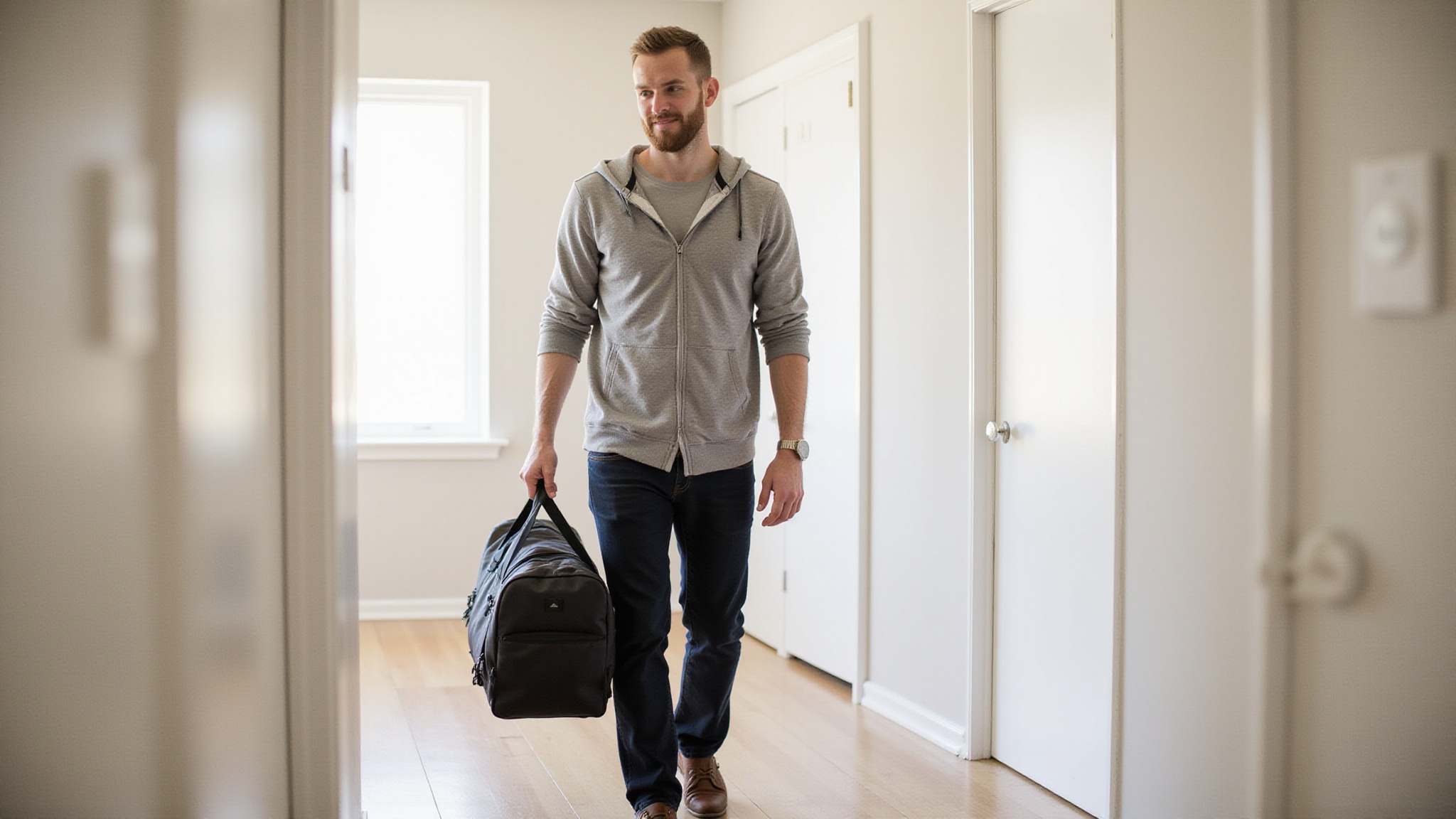
Yes, you can enter many sober living homes without completing rehab first. Because sober living is non-clinical, interim housing rather than medical treatment, it operates under different admission standards than a rehab facility. Some homes accept you based on your current sobriety, stability, and commitment to recovery, not on a prior rehab stay.
That said, expectations vary by house. Many programs still want to see a demonstrated recovery plan, a period of sobriety, or engagement in outpatient support before they’ll admit you. You’ll typically need to be substance-free at intake, pass a screening, and agree to follow house rules.
If you don’t require detox or intensive medical care, sober living may be an appropriate option.
How does sober living differ from inpatient rehab
Sober living differs from inpatient rehab in its level of care, supervision, and purpose within recovery. Inpatient rehab provides intensive professional care in a controlled, clinical setting, focusing on detox, therapy, and structured treatment. You’ll receive close medical supervision and daily therapeutic support designed to stabilize you during early, often acute, phases of recovery.
Sober living, by contrast, offers a transitional living environment with more independence and less supervision. It doesn’t provide clinical treatment services on-site. Instead, you’ll follow house rules like curfews, chores, drug testing, and meeting attendance while building accountability through peer support.
Think of it this way: rehab treats and stabilizes you, while sober living helps you maintain sobriety afterward or alongside outpatient care as you rebuild everyday life.
Who is a good fit for sober living without rehab first

You’re a good fit for sober living without rehab first if you’re already stable in your recovery. You’re a strong candidate if you’re substance-free at intake, able to pass a drug or alcohol screening, and don’t require detox or withdrawal management. If you’re medically and psychiatrically stable, with no acute crisis needs, you’ll likely meet most admission standards.
You’re also well-suited if you’re engaged in outpatient treatment, counseling, or support meetings and can demonstrate a genuine recovery commitment. Being willing to follow house rules, including curfews, chores, drug testing, and meeting attendance, matters, as does your ability to pay rent or program fees. If you need accountability and a drug-free environment rather than clinical treatment, sober living can support your continued progress.
What are the admission requirements for sober living
Admission requirements for sober living typically center on five core factors: sobriety, stability, willingness to participate, adherence to house rules, and the ability to pay. Most homes require you to be an adult, usually 18 or older, and substance-free at intake, verified through drug and alcohol screening. You’ll also need medical and psychiatric stability, meaning no active detox, withdrawal, or acute crisis needs. Many programs expect you to engage in recovery activities, such as outpatient treatment or support meetings.
Sobriety, stability, willingness, house rules, and the ability to pay, five core factors that open the door to sober living.
Admission truly asks of you:
- The courage to stay sober when temptation feels overwhelming.
- The humility to follow rules like curfews, chores, and testing.
- The commitment to show up for meetings, even on hard days.
What are the benefits of completing rehab first

Completing rehab first strengthens your foundation for lasting recovery, even though sober living doesn’t always require it. Rehab provides medically supervised detox and withdrawal management, so you enter sober living stable and free from acute crisis. You also gain structured therapy that addresses the underlying causes of substance use, giving you coping skills before you take on greater independence.
Completing rehab often improves your eligibility, since some homes require proof of treatment or a set sobriety period. You’ll arrive with an established recovery plan, making it easier to follow house rules like meetings, drug testing, and chores.
Finishing rehab first can reduce your relapse risk and help you transition into sober living with greater confidence and preparedness, though it isn’t always mandatory.
What are the risks of skipping rehab
Skipping rehab risks leaving you without the medical stabilization and clinical support that safeguard early recovery. If you still need detox or withdrawal management, entering sober living too soon can expose you to serious health risks that peer accountability alone can’t address. Without therapy or structured treatment, unresolved triggers and untreated mental health conditions may increase your relapse risk.
Consider these potential consequences:
- Facing dangerous withdrawal symptoms without medical supervision, putting your physical safety at risk.
- Relapsing early because you haven’t built coping skills through counseling or structured therapy.
- Getting denied admission when a home requires stability, detox completion, or documented recovery engagement.
These risks help you honestly assess whether you’re ready for a non-clinical setting.
How do you choose the right arrangement for your situation
Choose the right arrangement by making an honest assessment of your medical and clinical stability. If you need detox or withdrawal management, rehab must come first. If you’re already stable and sober, sober living may fit. Weigh your support needs, financial capacity, and willingness to follow house rules against each option’s structure. Personal items to bring to recovery can play a vital role in your journey. Having familiar items can provide comfort and a sense of stability during this transitional phase.
| Your Situation | Best Fit | Why It Matters |
|---|---|---|
| Active withdrawal or crisis | Rehab first | Safety requires medical care |
| Stable, sober, needs support | Sober living | Accountability sustains recovery |
| Working outpatient plan | Sober living | Independence reinforces progress |
Match your level of care to your actual risk. When you choose honestly, you protect the recovery you’ve worked hard to build.
Conclusion
Yes, in many cases you can enter a sober living home without first completing rehab, since these homes support anyone committed to staying sober, not only those coming out of treatment. That said, some homes prefer or require recent sobriety or a completed program, and rehab can give you tools that make sober living more successful. The right path depends on your needs and the home’s policies.
Call Today and Explore Your Sober Living Options
Whether you’ve completed rehab or are just starting your recovery journey, expert connections help you find the right home. Through Hopeful Estates serving Wayne, NJ, we connect you with trusted sober living homes that offer the right Peer & Sober Support designed for lasting sobriety. Call (201) 292-0185 today and begin a healthier chapter in your life.
Frequently Asked Questions
How Long Can You Stay in Sober Living?
You can typically stay in sober living for as long as you need, since there’s no universal time limit. Many residents stay several months to a year or more, depending on your recovery progress, stability, and the home’s policies. As long as you follow house rules, stay sober, and pay your fees, you can remain. Your length of stay often reflects your personal readiness to shift back to independent living.
Does Insurance Cover the Cost of Sober Living?
Insurance usually doesn’t cover sober living, since it’s non-clinical, substance-free housing rather than medical treatment. You’ll typically pay rent or program fees out of pocket. However, if you’re receiving outpatient care or clinical services alongside your stay, your insurance may cover those treatment components. Coverage varies by plan and provider, so it’s worth verifying your benefits directly. You’ve got options, and understanding your costs helps you plan your recovery confidently.
Can You Be Evicted From a Sober Living Home?
Yes, you can be evicted from a sober living home, typically for violating house rules. Common reasons include relapsing or failing a drug or alcohol screening, missing rent payments, skipping required meetings or chores, or ignoring curfews. Because these homes rely on peer accountability and a substance-free environment, programs enforce their standards to protect all residents. If you’re struggling, talk with staff early, many offer support before removal becomes necessary.
Are Men’s and Women’s Sober Living Homes Separate?
Yes, many sober living homes separate men’s and women’s residences to support your recovery. Gender-specific housing helps reduce distractions, creates safer peer environments, and lets you focus on accountability and sobriety alongside others facing similar challenges. That said, admission rules vary by program, so you’ll find some co-ed options too. If you’re weighing your choices, ask each house about its structure, and consider what setting best fits your recovery needs.
Can You Work or Attend School While in Sober Living?
Yes, you can work or attend school while living in a sober living home. In fact, these environments are designed to support your return to work, school, or outpatient care while you maintain sobriety. You’ll follow house rules like curfews, chores, drug testing, and meeting attendance, but you’ll also have the independence to rebuild your daily routine. This balance of accountability and freedom helps you strengthen your long-term recovery.