




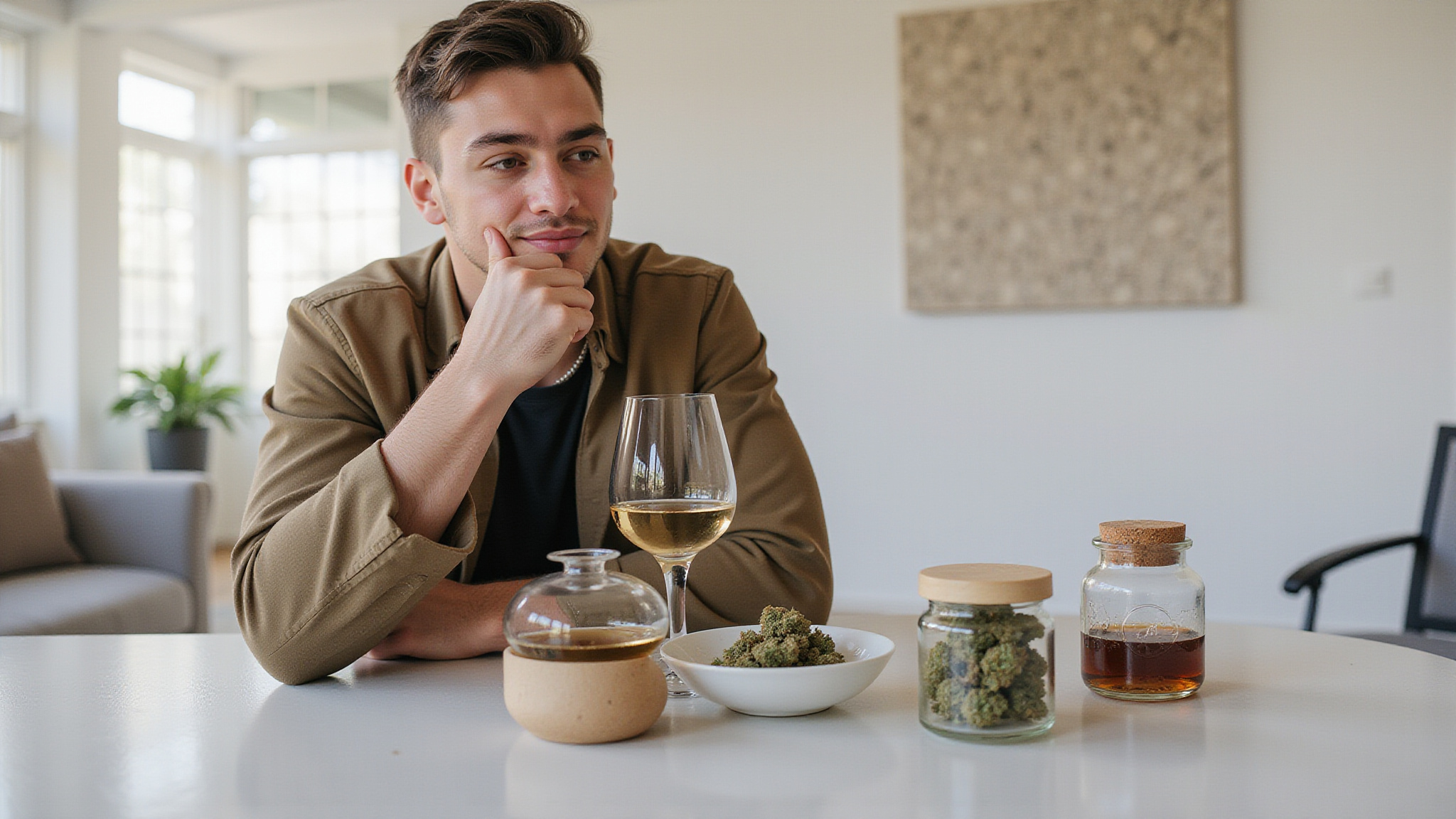


Traveling sober is doable when you plan ahead. Set a clear intention before you book, and tell your travel companions about your commitment. Remove easy access to alcohol by requesting minibar removal, and keep non-alcoholic drinks handy. Rehearse a simple refusal like “No thanks, I don’t drink.” Fill your days with structured activities like hikes, tours, or cooking classes, and stay connected to your support network. Fit in social events when sober by choosing activities that don’t revolve around alcohol. Consider attending workshops, art exhibits, or outdoor events that encourage interaction without the pressure of drinking.
Key Takeaways
- Set a clear alcohol-free intention before booking, and tell everyone traveling with you about your commitment.
- Remove access points by requesting minibar removal, choosing direct flights, and keeping non-alcoholic drinks within reach.
- Rehearse a calm refusal like “No thanks, I don’t drink,” and pre-decide restaurant orders and verified mocktails.
- Structure days with sober activities like hiking, yoga, tours, or cooking classes to avoid triggering downtime.
- Stay connected through local meetings, online groups, sponsor check-ins, recovery apps, and peer texts while traveling.
Traveling Sober on Vacation Without Slipping

You can travel sober on vacation by setting a clear commitment, planning for triggers, and building support into your trip. Take an honest look at the situations that tend to challenge you, and let your travel companions know about your decision so they can support you rather than pressure you.
Staying sober on vacation gets easier when you prepare. Research your destination’s customs, transportation, and local drinking culture so nothing catches you off guard. It also helps to picture the trip as something you will genuinely enjoy, since seeing a new place clearheaded can be its own reward.
Why Traveling Sober Is Challenging on Vacation
Traveling sober is challenging on vacation because alcohol is often easy to access, routines are disrupted, and your usual recovery support is farther away. On a trip, you leave behind the habits and support systems that keep you grounded. Familiar meetings, your sponsor, and a predictable daily structure fade into the background, while unfamiliar surroundings can introduce new triggers.
Several factors make a trip uniquely challenging:
- Airport bars, minibars, and all-inclusive resorts put alcohol within constant reach.
- Social pressure from travel companions can make declining a drink feel awkward.
- Disrupted routines weaken the healthy habits that protect your sobriety.
- Travel stress can heighten cravings and emotional vulnerability.
Naming these challenges is the first step toward planning a trip that protects your recovery.
How to Plan a Sober Vacation Before You Go

Plan a sober vacation by setting a clear intention for an alcohol-free trip before you book anything. Take an honest self-assessment to identify your specific triggers and concerns, then tell everyone traveling with you about your commitment so expectations are clear from the start.
Research your destination’s customs, transportation options, and local drinking culture so nothing surprises you. When you can, choose direct flights to avoid layovers near airport bars, and ask the hotel to remove the minibar from your room. A little mental rehearsal helps too. Picturing yourself enjoying the trip sober lets you arrive feeling grounded and confident rather than anxious.
How to Handle Triggers and Temptation While Traveling Sober
Handle triggers and temptation while traveling by making alcohol harder to access and keeping simple coping tools close. Ask the hotel to clear the minibar, and keep non-alcoholic drinks like specialty coffee, tea, or sparkling water within reach. When someone offers a drink, lean on a rehearsed response like “No thanks, I don’t drink.” Before you walk into a restaurant, decide what you will order, and always confirm that any mocktail is actually alcohol-free.
- Pack nutritious snacks to steady your energy and blunt cravings.
- Use mindful breathing when stress builds.
- Schedule a little alone time each day for reflection.
- Move your body with walks or workouts.
What Sober Activities Can You Enjoy on Vacation

You can enjoy plenty of sober vacation activities, including yoga, guided tours, cooking classes, hiking, scuba diving, museum visits, and spa treatments. Starting your mornings early with structured plans makes you less likely to linger in triggering environments. Fill your afternoons with activities that leave you energized rather than depleted.
Consider planning a trip around learning something new, like diving or a local craft. When you are focused on a skill, alcohol simply does not fit the picture. You might also choose destinations where drinking is not the center of social life, which naturally takes the pressure off. And do not overlook rest. Choosing pampering over partying keeps the trip relaxing, so you come home restored rather than depleted. Socializing in sobriety without drinking can lead to more genuine connections and memorable experiences. Engaging in activities that do not revolve around alcohol can enhance your interactions with others.
How to Handle Social Pressure and Drinking Situations on Vacation
Handle social pressure by preparing clear responses, choosing alcohol-free options in advance, and leaning on supportive companions. Rehearsing a response ahead of time helps you feel steadier and less caught off guard in the moment. A calm “No thanks, I don’t drink” usually ends the conversation without drama, and you do not owe anyone a longer explanation. Turning down a drink at a party can be challenging, but it’s completely acceptable to prioritize your comfort. Engaging in discussions about your choice can also open doors to deeper conversations about health and personal values.
- Practice your refusal until it feels natural and automatic.
- Decide on a non-alcoholic drink before entering a restaurant or bar.
- Share your commitment with companions to build accountability.
- Address any friction quickly and directly, using the communication skills your recovery has built.
Planning ahead protects your peace and keeps you grounded.
How to Stay Connected to Support While Traveling Sober
Stay connected to support by planning meeting options, using online resources, and keeping regular contact with trusted people. Look up local 12-step or peer-support meetings at your destination before you leave. If in-person meetings are not available, online groups keep you grounded from anywhere. Traveling by sea? Cruise lines list daily AA meetings in their onboard schedules under the name “Friends of Bill W.” Keep daily contact with your sponsor or recovery coach through text, email, or a quick call.
| Support Tool | How It Helps |
|---|---|
| Local meetings | Face-to-face connection |
| Online groups | Access anywhere, anytime |
| Sponsor check-ins | Daily accountability |
| Recovery apps | On-demand support |
| Peer texts | Quick encouragement |
Keeping these tools a tap away means support travels with you, wherever you go.
Conclusion
A vacation does not have to put your recovery at risk. With a clear intention, a bit of planning around triggers, a full itinerary, and your support system a text away, sober travel can be genuinely relaxing and memorable. The goal is not to white-knuckle through it but to set the trip up so sobriety is the easy default. Plan ahead, lean on the people who have your back, and let yourself enjoy seeing a new place with a clear head.
Call Today and Build a Steadier Life in Recovery
Recovery is easier with a stable home and real support behind you, at home and on the road. Through Hopeful Estates serving Ringwood, NJ, we connect you with trusted sober living homes that provide the right peer and sober support built around your goals and situation. Call (201) 292-0185 today.
Frequently Asked Questions
Should I even travel this early in recovery?
It depends on how steady you feel. In the first weeks or months, when routines and coping skills are still forming, a trip full of triggers can be a lot to take on, and there is no shame in postponing until you feel more solid. If you do go early, keep it simple: a low-key destination, a sober travel companion, and a plan for support. When in doubt, talk it through with your sponsor or counselor before booking.
How do I get through airports and flights without drinking?
Airports are one of the harder parts, with bars at every gate and the “vacation starts now” mindset. Plan for it: choose direct flights when you can to skip layovers, eat before you fly, and keep water, snacks, and something to do within reach. Have your refusal ready for the drink cart, since flight attendants offer alcohol routinely. A podcast, playlist, or recovery app can carry you through the stretches where boredom or nerves hit.
What do I do if I slip while I’m away from home?
Reach out right away rather than waiting until you are home. Call your sponsor, a sober friend, or a support line, and get to an online or local meeting if you can. A slip on the road can feel especially isolating, which is exactly why staying connected matters most in that moment. Then get back to your plan: your routine, your support, your reasons for being sober. One slip does not have to become a full relapse, and reaching out early is the difference.
Should I tell hotel staff or my hosts that I don’t drink?
You can, and it often makes things easier. Asking a hotel to remove the minibar is a common, no-questions request, and telling a host or resort you do not drink usually just means they will point you to good non-alcoholic options. You never owe anyone your history, and a simple “I don’t drink” is enough. Share only what makes your trip smoother, and nothing more.
Are some kinds of trips easier to stay sober on than others?
Yes. Trips built around activity and nature, hiking, national parks, adventure travel, or wellness and yoga retreats, tend to be far easier than party destinations or all-inclusive resorts where drinking is the main event. Cultures where alcohol is not central to socializing help too. If you are early in recovery, leaning toward an activity-focused or restorative trip rather than a nightlife-focused one stacks the odds in your favor.