





You can socialize without drinking, and it gets easier with practice. Start by noticing your triggers: the people, places, and feelings that usually prompt a drink. Prepare a simple line like “I feel better when I don’t drink,” and keep a mocktail in hand. Be patient with the discomfort when it shows up, because it fades the more you do this. Below are practical ways to enjoy a gathering sober and confident.
Key Takeaways
- Identify your triggers, whether people, places, or feelings, and prepare responses ahead of time instead of scrambling in the moment.
- Keep a mocktail or sparkling water in hand to stay busy and take the pressure off.
- Use a simple line like “I feel better when I don’t drink,” then change the subject.
- Choose sober-friendly activities like concerts, hiking, game nights, yoga, or volunteering to build real connection.
- Build a support network through AA, SMART Recovery, trusted friends, or online communities, and celebrate small wins.
Socializing in Sobriety Without Drinking
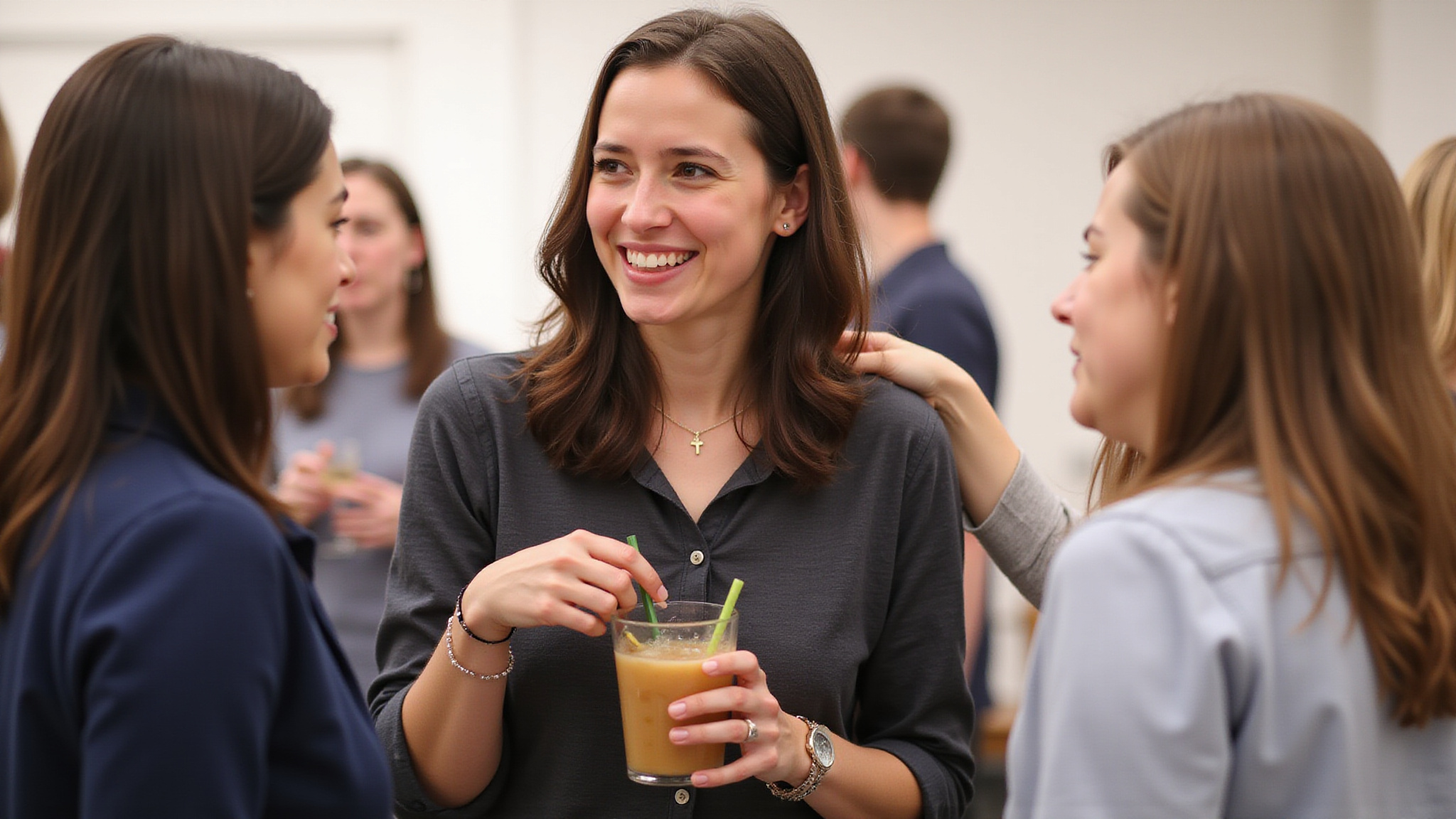
Socializing sober starts with getting curious about your own habits. Notice the situations and feelings that usually prompt you to drink, then figure out what the alcohol was actually doing for you, whether that was easing nerves, filling silence, or helping you loosen up. Once you know that, you can meet the same need another way. Softening your inner critic helps too, and a simple reminder like “you’re okay” can take the edge off in the moment.
Building a sober social life is not about deprivation. It is about reconnecting with what you actually enjoy. Look for events that are not centered on drinking, go easy on yourself when it feels awkward, and trust that it gets easier each time. Celebrate small wins, keep up your rest and nutrition, and know you are building something more real than the version that ran on alcohol. Social events when you’re sober can open up new avenues for connection and enjoyment. You may discover hobbies and interests that you never explored while drinking.
Why Is Socializing Without Drinking Difficult in Early Sobriety?
Socializing without drinking is hard in early sobriety because alcohol was likely woven into your routines, your coping tools, and your comfort around other people. Take that away and the triggers get louder. Your inner critic speaks up, social anxiety spikes, and staying sober at a party means facing questions or gentle pressure without your usual crutch.
| Challenge | Why It Happens | What Helps |
|---|---|---|
| Loud inner critic | Old habits feel exposed | Self-compassion, simple reminders |
| Social pressure | Drinking was the norm | Quick refusal responses |
| Restless hands | Missing sensory cues | Hold a mocktail |
None of this means you are failing. The discomfort eases with practice, so accept those early feelings, celebrate small wins, and trust that each event gets a little easier.
How Do You Handle Social Situations and Triggers While Sober?

You handle social situations and triggers by planning ahead and leaning on a few simple strategies. Know the people, places, and feelings that make you reach for a drink, and decide how you will respond before you are standing in the middle of it.
Try these four strategies:
- Keep a drink in hand. Hold a mocktail or sparkling water so your hands are busy and the pressure is off.
- Prepare a quick line. Say “I feel better when I don’t drink” and move on.
- Reframe the urge. Name what alcohol used to give you, like connection or relaxation, and fill that need another way.
- Plan an exit. Know your ride and have a sober friend you can text if things get tough.
And go easy on that inner critic. You are okay.
What Sober-Friendly Social Activities Can You Enjoy?
Sober-friendly activities include concerts, art exhibits, sporting events, hiking, cycling, kayaking, game nights, fitness classes, and volunteering. The idea is to trade the bar scene for places where connection, not drinking, is the point. Outdoor groups build bonds through shared movement. Hosting a game night keeps everyone engaged without a drink in sight. Fitness classes like yoga or martial arts let you meet people while taking care of your body, and volunteering for a cause you care about tends to build the kind of friendships that last. The best moments come from shared interests, not shared drinks.
How Do You Build New Friendships and Connections in Sobriety?

You build new friendships in sobriety by spending time, on purpose, with people and communities that respect your choice not to drink. It takes intention, but you are not doing it alone. Surrounding yourself with people who back your decision changes everything.
Try these ways to grow your support network:
- Join a group like AA or SMART Recovery to meet others who understand what you are going through.
- Spend time with friends who genuinely support your decision not to drink.
- Bring a trusted companion to events who knows your intentions and has your back.
- Connect online through communities like Reddit’s r/stopdrinking or sober Facebook groups.
Each new connection is proof that you can have a full social life without alcohol.
How Do You Respond When People Question Your Not Drinking?
Say something short and confident, then change the subject. You do not owe anyone a long explanation. “I feel better when I don’t drink” is plenty, and then you move on. If someone keeps pushing, you can turn it back on them: “Does my not drinking bother you?” That shifts the pressure without starting a fight. Having a few replies ready keeps you calm instead of caught off guard.
| Situation | Your Response | Why It Works |
|---|---|---|
| Casual ask | “I’m good, thanks” | Keeps it light |
| Repeated offer | “I feel better sober” | States your reason |
| Persistent pressure | “Does this bother you?” | Redirects focus |
| Peer nudging | “Water’s fine for me” | Shows confidence |
| Curious friend | “Just trying something new” | Invites acceptance |
A short answer, said with a steady look, ends the conversation more often than a long one.
How Do You Feel Confident Socializing in Sobriety Long Term?
You feel confident socializing sober by doing it consistently, building your own routines, and trusting that the discomfort fades with experience. Every event you get through adds to your comfort, and over time it starts to feel normal. Be patient with yourself while the new habits take root.
To build lasting confidence, focus on these practices:
- Celebrate small wins, like introducing yourself to someone or staying through a whole party.
- Take care of yourself first, with rest, real meals, and some downtime before a social outing.
- Lean on your support network, whether that is sober friends, a group like AA, or r/stopdrinking.
- Set a clear intention, aiming for genuine connection rather than just getting through the night.
Each time out, you trust yourself a little more. You have already proven you can do this, so keep showing up and the confidence follows.
Conclusion
Socializing without alcohol is a skill, and like any skill it gets easier the more you practice it. Know your triggers, keep a drink in your hand, have a short line ready for the “why aren’t you drinking” question, and spend your time around people and activities that do not revolve around a bar. Some friendships will shift as you go, and the ones built on more than drinking are the ones that stay. Show up, celebrate the small wins, and let your confidence catch up to the choice you have already made.
Call Today and Connect With a Recovery Community
Building a sober lifestyle is easier with the right people beside you, whether at events, workouts, or quiet nights in. Through Hopeful Estates serving Butler, NJ, we help you connect with trusted sober living homes that offer the right Peer and Sober Support built around real, everyday life. Call (201) 292-0185 today and start building your community.
Frequently Asked Questions
Is it normal to lose friends after I stop drinking?
Yes, and it is one of the most common experiences people describe in early sobriety. Friendships that were built mostly around drinking often fade once you are not at the bar, which can be painful even when it makes sense. The friendships that survive tend to be deeper, and you usually gain new ones through sober activities and communities over time.
What is a good drink to order at a bar so I don’t feel out of place?
Order a club soda with lime, a tonic with bitters, a mocktail, or a non-alcoholic beer, since holding a glass takes most of the attention off you. Most bartenders make these without a second thought, and you can ask quietly if you would rather not announce it. Having something in your hand is often enough to stop the offers before they start.
Do I have to tell people I’m in recovery when they ask why I’m not drinking?
No, your reason is private and “I don’t drink” is a complete answer. You get to decide who, if anyone, hears the full story, and a short, confident reply usually ends the conversation faster than an explanation. Share more only with people you trust and only when you want to.
Should I go to a party or event where I know people will be drinking heavily?
It depends on how steady you feel, and in early recovery it is fine to skip events that feel high-risk. If you do go, have an exit plan, bring a sober friend, drive yourself so you can leave anytime, and do not stay past the point where it stops being fun. Protecting your sobriety matters more than any single party.
How do I date or meet a partner without drinking?
Suggest first dates that are not centered on a bar, like coffee, a walk, a class, or a daytime activity, which takes the alcohol question off the table entirely. Being upfront that you do not drink also filters for people who respect it early on. Plenty of people date and build relationships without alcohol once the setting is not built around it.