

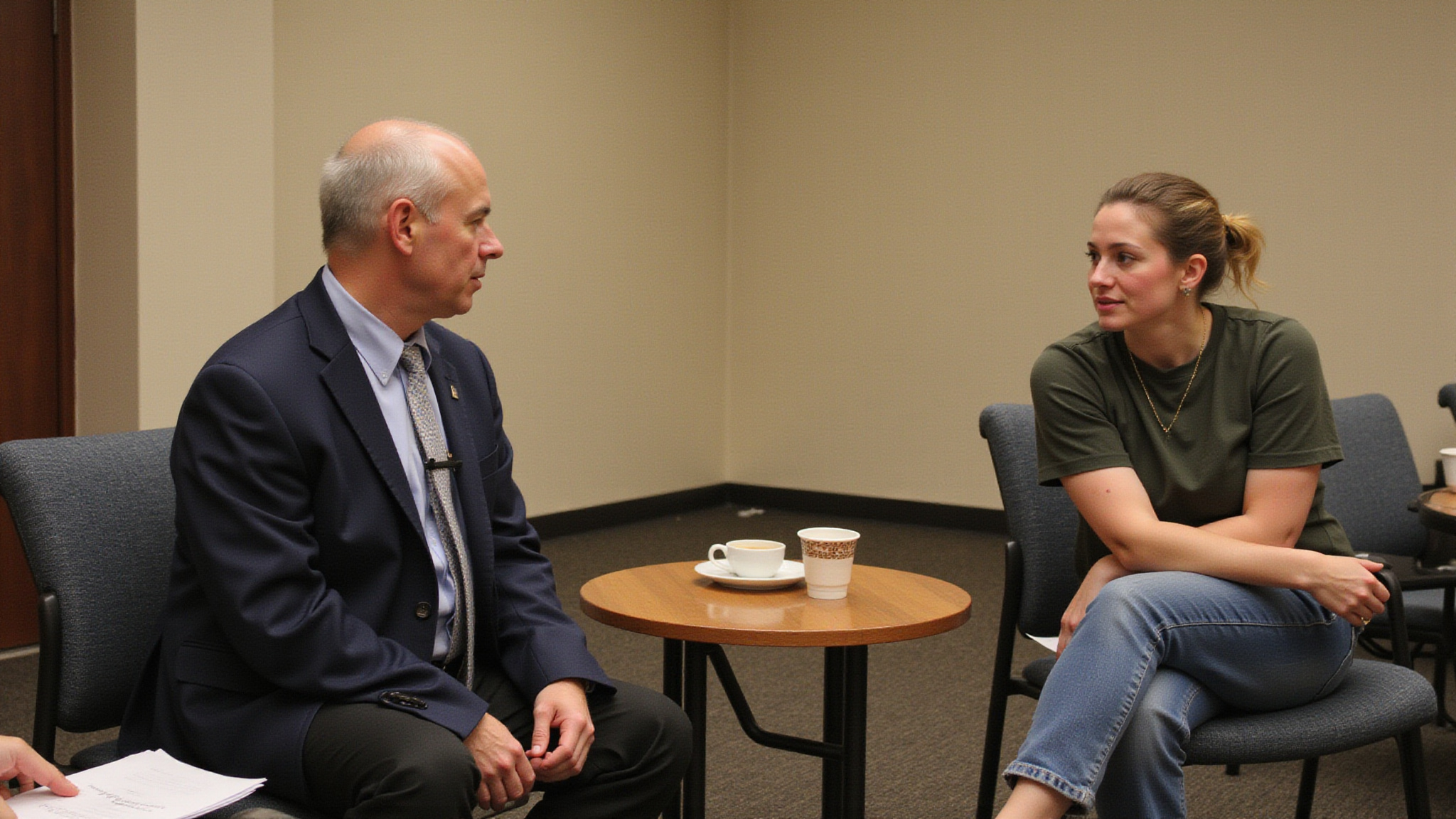





You don’t need to have everything figured out before reaching out. Start by calling a treatment center and speaking with an admissions coordinator, they’ll walk you through a confidential assessment covering your substance use history, mental health, and insurance options. From there, they’ll recommend the right level of care, whether that’s detox, inpatient, or outpatient treatment. New Jersey also offers same-day admission facilities and state-funded programs if cost is a concern. Below, you’ll find everything you need to take that first step confidently.
How to Start the Rehab Admission Process in New Jersey

How does the rehab admission process actually begin in New Jersey? It starts with a single phone call. When you contact a treatment center, a confidential conversation with an admissions coordinator helps clarify your situation, including substance use history, mental health concerns, and insurance coverage.
If you’re exploring how to get into rehab in New Jersey, know that this initial call isn’t a commitment. It’s designed to answer your questions and ease uncertainty. The coordinator will assess facility availability, discuss payment options, and determine whether the program fits your needs.
The rehab admission process in NJ is built to guide you forward, not overwhelm you. Taking this first step toward addiction help in NJ puts real support within reach. Following this initial call, a comprehensive pre-screening assessment evaluates your substance use disorder, co-occurring mental health conditions, and living environment to determine the most appropriate type of treatment for you.
Detox, Inpatient, or Outpatient: Which NJ Rehab Program Fits?
Once you understand the admission process, your next step is choosing the right level of care for your situation. New Jersey offers several structured treatment options, from medical detox and inpatient rehabilitation to outpatient programs, and each serves a different stage of recovery based on your clinical needs. Matching your treatment intensity to the severity of your substance use guarantees you’re getting the support that’ll make the biggest difference. Research consistently shows that extended treatment engagement correlates with improved recovery outcomes, making it important to consider not just where you start but how long you stay connected to care.
Understanding Detox Programs
Before entering a formal rehab program, many individuals first need to complete medical detoxification, a supervised process that helps the body safely withdraw from drugs or alcohol under professional clinical care. During detox, clinicians assess your substance use patterns, physical health, and psychological status to create a safe withdrawal plan. This phase typically lasts five to ten days, depending on withdrawal severity and the substance involved.
New Jersey operates approximately 60 withdrawal management programs, including hospital-based, residential, and outpatient settings. For NJ addiction treatment, treatment access NJ makes it possible to find the right detox level for your needs. Once you’ve stabilized, your team evaluates next steps, including dual diagnosis screening, so your shift into drug rehab New Jersey programs is informed and seamless. The choice between inpatient and outpatient rehab should be based on current needs and stability rather than future goals or external pressures, ensuring the selected level of care fosters genuine focus and engagement for long-term recovery.
Inpatient Versus Outpatient Care
After completing detox, you’ll face one of the most important decisions in your recovery: choosing between inpatient and outpatient care. Each path offers distinct advantages depending on your clinical needs, environment, and responsibilities.
Inpatient programs provide 24/7 medical and clinical support within a structured residential setting, removing you from triggers that fuel substance use. Outpatient programs let you live at home while attending treatment sessions throughout the week.
Many recovery centers New Jersey offers provide multiple intensity levels, including:
- Partial Hospitalization Programs (PHPs): 3, 5 days weekly, several hours daily
- Intensive Outpatient Programs (IOPs): 3, 5 days weekly, shorter sessions
- Standard Outpatient Programs: three days weekly, focused on relapse prevention
Your treatment team will recommend the level that matches your clinical situation and recovery goals.
Matching Treatment Intensity
Because every person’s experience with addiction differs, the right treatment intensity depends on factors like withdrawal severity, mental health needs, and daily responsibilities. Detox typically spans 5, 10 days under medical supervision, addressing acute physical dependence before formal treatment begins. If you’re facing severe addiction or a dual diagnosis, residential programs lasting 28, 90 days offer 24-hour clinical support in a trigger-free environment.
For those stepping down from inpatient care, PHP provides 5, 6 hours of daily treatment without overnight stays. If you’re maintaining work or family obligations, IOP offers 10, 20 hours weekly across flexible sessions. Standard outpatient works best when you’ve established stable recovery supports and need ongoing guidance through weekly sessions. Your clinical assessment determines which level matches your specific needs.
How to Pay for Rehab in New Jersey Without Insurance
If you don’t have insurance, you still have practical ways to cover rehab costs in New Jersey. Medicaid may cover your treatment if you qualify, many facilities offer sliding scale fees based on your income, and state-funded programs provide free options for individuals who can’t afford care. Understanding these pathways helps you move forward with treatment without letting financial barriers stand in your way.
Medicaid Coverage Options
For those who don’t have private insurance, New Jersey Medicaid, also known as NJ FamilyCare, offers substantial coverage for addiction treatment services. Under the ACA, Medicaid must cover essential health benefits, including addiction treatment and mental health services. You’re eligible if you’re a New Jersey resident with U.S. citizenship or qualified immigrant status and meet specific criteria like having dependent children, being 65+, or having a disability.
Medicaid covers a wide range of treatment options, including:
- Medical detox and medication-assisted treatment using methadone or buprenorphine
- Inpatient and outpatient programs, including intensive outpatient and partial hospitalization
- Individual and group therapy for co-occurring mental health and substance use disorders
When you enroll, present your Medicaid card, facility staff will handle insurance verification and any required pre-authorization.
Sliding Scale Payment
Not everyone has insurance coverage, but that doesn’t mean treatment is out of reach. Many New Jersey facilities offer sliding scale fees, payment structures that adjust costs based on your income and family size. You’ll need documentation like pay stubs or tax returns, and centers review your situation confidentially to determine your rate.
Here’s how sliding scale pricing can reduce costs:
| Program Type | Potential Cost Range |
|---|---|
| Outpatient (below FPL) | $0, $1,500 |
| Inpatient (30-day standard) | $5,000, $30,000 |
| Residential (30-day) | $6,000, $30,000+ |
| Sliding scale adjusted | Varies by income bracket |
Community-based programs, nonprofits, and some private facilities offer this model. If you’re facing financial hardship, these programs guarantee you receive quality care aligned with your ability to pay.
NJ Rehab Centers That Offer Same-Day Admission
When you’re ready to start treatment, waiting days or weeks for an opening can feel like an unnecessary barrier, and for many people, it is. Several NJ facilities offer same-day admission to eliminate that gap.
Same-day programs typically include rapid medical and psychiatric evaluation, detox services, and personalized treatment planning. If timing is your main worry, how quickly you can actually be admitted depends on bed availability, insurance, and how fast intake moves. Outpatient options generally have faster enrollment than inpatient. Insurance verification through online forms can expedite admission, and 24/7 confidential helplines are available if you need guidance outside business hours.
What to Expect in Your First 48 Hours at a NJ Rehab

The first 48 hours in rehab can feel overwhelming, but knowing what’s ahead makes the experience far more manageable. Upon arrival, you’ll complete intake paperwork, verify insurance, and meet with a registered nurse for an initial assessment. A physician will examine you within 24, 48 hours to determine your appropriate level of care. Rehab availability for immediate intake can often help individuals begin their recovery process without unnecessary delays.
During this crucial window, you can expect:
- Medical detox initiation with 24/7 monitoring of essential signs and medications to ease withdrawal symptoms
- Assignment of a primary counselor who’ll develop your personalized treatment plan and begin aftercare planning
- Environmental support including chef-prepared meals, calming spaces, and a program orientation before treatment formally begins
Your phone will be held temporarily, but you’ll have a chance to speak with loved ones before settling into your room.
What If Your Loved One Won’t Go to Rehab Voluntarily?
Watching someone you love refuse help for addiction can feel heartbreaking, but New Jersey law provides a legal pathway when voluntary efforts fail. Before pursuing involuntary commitment, you should exhaust alternatives, direct persuasion, professional interventions, and honest conversations about the dangers they’re facing.
If those efforts don’t work, you can file a petition with a New Jersey court. You’ll need documented evidence of dangerous behavior, medical history, and proof that your loved one’s substance abuse poses a genuine threat to themselves or others. A judge will review your petition and determine whether commitment is justified.
New Jersey covers 90% of treatment costs for involuntary commitment cases, with your remaining share adjusted based on income level. Legal representation is available throughout proceedings.
What happens after rehab
Getting into rehab is the first step, staying well afterward is where recovery holds. Hopeful Estates helps you find sober living homes in New Jersey for the move out of treatment. We help people in West Milford and across North Jersey. Call (201) 292-0185 to talk with our team.
Frequently Asked Questions
Can I Bring Personal Belongings Like My Phone or Laptop to Rehab?
You can’t bring your phone, laptop, or other internet-capable devices into rehab. Facilities restrict smartphones, tablets, smart watches, and game consoles to help you stay focused on recovery and protect everyone’s privacy. Don’t worry, though, you’re welcome to bring wired headphones, printed photos of loved ones, journals, recovery books, and written contact information. These alternatives keep you connected to what matters while supporting your healing journey. Each facility’s specific policies may vary slightly.
How Long Does Rehab Treatment Typically Last in New Jersey?
Rehab treatment in New Jersey typically lasts anywhere from 28 days to 90+ days, depending on your unique needs. Short-term programs run about 30 days, while long-term programs extending 60, 90 days show markedly better outcomes. If you’re dealing with chronic addiction or complex challenges, extended care lasting six months to two years can achieve the highest success rates. Your treatment team will help determine what’s right for you.
Will My Employer Find Out if I Enter a Rehab Program?
Your employer generally won’t find out you’ve entered rehab. Federal laws like HIPAA and 42 CFR Part 2 protect your treatment records from disclosure without your written consent. Rehab facilities can’t share your information with employers, insurers, or anyone else unless you authorize it. If you need time off, you may qualify for FMLA protections without revealing specific treatment details. You’re in control of who knows about your recovery journey.
Are There Rehab Programs in New Jersey Specifically Designed for Teens?
Yes, New Jersey offers rehab programs specifically designed for teens. You’ll find options ranging from residential treatment with 24/7 supervised care to intensive outpatient programs that let your teen attend school while receiving help. These programs use age-appropriate therapies like CBT and DBT, address dual diagnosis needs, and incorporate adventure therapy and life skills development. They’re built around adolescent developmental needs, so your teen gets truly personalized, focused care.
Can I Continue Taking My Prescribed Medications While in Rehab?
Yes, you can typically continue your prescribed medications in rehab. Staff will review each medication during admission and approve essentials like antidepressants, blood pressure drugs, and diabetes medications. However, controlled substances, such as benzodiazepines, opioids, and stimulants, are usually restricted. Don’t worry, though; medical teams will provide safer alternatives like Vistaril for anxiety or Strattera for ADHD. You’ll receive regular evaluations to guarantee your treatment plan stays safe and effective.