

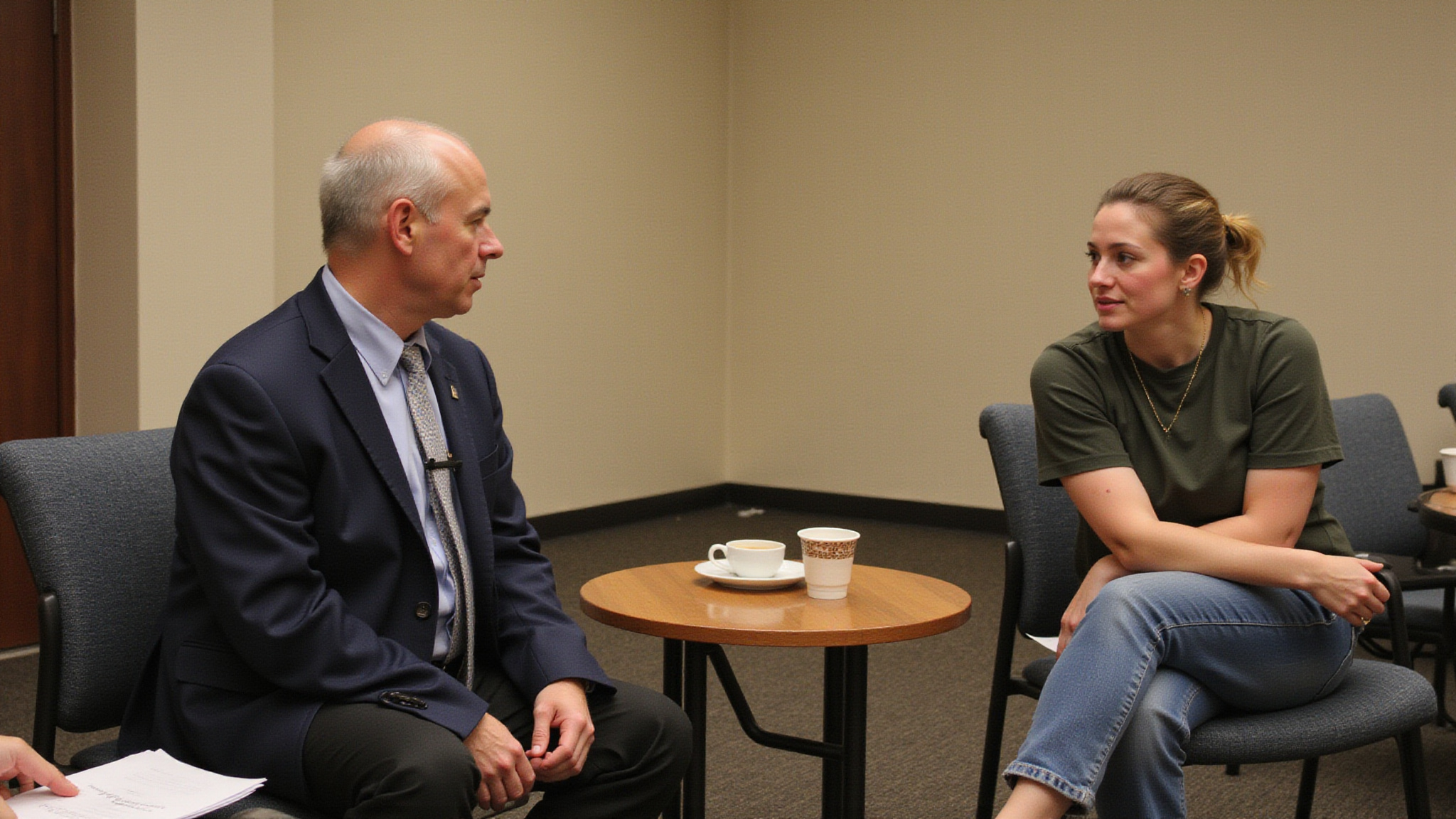





When you got sober, the substances that numbed your pain stopped working, and now that pain is surfacing. This is normal. Addiction often masks trauma, dulling intrusive memories and overwhelming emotions until sobriety removes that buffer. Facing what you avoided is not the same as reliving it. It is the start of healing. Therapies like EMDR and Trauma-Focused CBT can help you process these memories safely. Here is how trauma and addiction connect, and where to begin. Does therapy end after addiction treatment? Many people assume that once they are sober, they no longer need support.
Key Takeaways
- Substances numb emotional pain and quiet intrusive memories, but numbing delays healing rather than processing the trauma.
- Sobriety removes the buffer that masked emotions, so trauma and distress can resurface more fully, sometimes alongside stronger cravings.
- Unresolved trauma can show up as flashbacks, emotional swings, hypervigilance, sleep problems, and cravings triggered by reminders.
- Facing trauma means acknowledging what was avoided, not reliving it, and it works best with trauma and substance use treated together.
- Therapies like Trauma-Focused CBT, EMDR, and Seeking Safety help you reprocess memories and build coping skills without substances.
Facing Trauma the Addiction Was Numbing

Facing the trauma your addiction was numbing means acknowledging the pain, memories, or realities that substances helped you avoid. Drugs and alcohol can dull emotional pain, quiet intrusive memories, and offer a temporary escape from hard realities. But numbing is not healing. The link between addiction and trauma runs deep, and about three out of four people with a substance use disorder have experienced trauma at some point, often in childhood. Facing it in recovery means acknowledging what you have been avoiding, not to relive it, but to loosen its grip. It asks you to feel what substances helped you bypass. That is hard, uncomfortable work, and it is also the way forward. When you stop numbing, you finally have room to understand, process, and recover.
How Are Trauma and Addiction Connected?
Trauma and addiction are connected because trauma can keep your brain and body in survival mode, which makes substances feel like temporary relief from intrusive memories and overwhelming emotions. That relief comes at a cost.
A few ways the two intertwine:
- Changes in the brain: Trauma affects the areas responsible for memory, learning, and emotional regulation, which can make substance use more likely to tip into addiction.
- Self-medication: You reach for drugs or alcohol to quiet the pain, and many people with addiction carry a history of childhood trauma.
- A feedback loop: Addiction can expose you to further trauma, which deepens both.
Understanding this connection is where the healing really begins.
Why Does Trauma Resurface Once You Get Sober?

Trauma resurfaces in sobriety because substances are no longer numbing the emotions, memories, and stress responses they once suppressed. For as long as you were using, drugs or alcohol dulled the pain, quieted intrusive memories, and offered a temporary escape. Sobriety removes that buffer, and suddenly you are facing floods of emotion and traumatic reminders without your usual defense. Safely taking antidepressants in recovery can be a valuable tool for managing overwhelming emotions. It is important to consult with a healthcare professional to find the right medication and dosage tailored to your needs.
This can feel overwhelming, but it is a normal part of recovery. Trauma alters your stress response, keeping you on constant alert and making emotions harder to regulate. Without substances masking those symptoms, they surface more fully, and reminders of the trauma can even intensify cravings. Recognizing this helps you see that what you are feeling is not failure. It is healing beginning.
What Are the Signs of Unresolved Trauma in Recovery?
Signs of unresolved trauma in recovery include intrusive memories, emotional swings, hypervigilance, and sleep problems. Once substances are no longer numbing your emotions, your stress response can stay switched on, keeping you on constant alert. You might notice patterns that feel confusing, especially when reminders of past events come up.
Watch for these common signs:
- Intrusive memories or flashbacks that flood you with intense emotion and often trigger strong cravings.
- Emotional swings, including irritability, numbness, or trouble managing both good and hard feelings.
- Hypervigilance and sleep problems, which reflect a stress system that is working overtime.
If these resonate, you are not weak or failing. You are meeting the trauma your addiction quietly masked, and acknowledging it is real progress. Processing shame and guilt can be a transformative experience. Engaging with these emotions allows you to uncover deeper layers of your personal struggles.
What Therapies Help You Face and Heal Trauma in Recovery?

Trauma therapies like Trauma-Focused Cognitive Behavioral Therapy, EMDR, Seeking Safety, and integrated treatment can help you process painful memories without being overwhelmed by them. Trauma-Focused CBT helps you reframe the distorted beliefs tied to traumatic memories, while EMDR (Eye Movement Desensitization and Reprocessing) helps you reprocess those memories so they lose their grip. Because trauma activates your stress response and makes emotions harder to regulate, these approaches work directly with how your nervous system holds distress. Integrated treatment matters too, since addressing your substance use and trauma together keeps one from reigniting the other. And because reminders can trigger cravings, skills-based approaches like Seeking Safety help you manage intense emotions without substances. You do not have to face any of this alone.
How Do You Cope With Trauma Without Turning to Substances?
You cope with trauma without turning to substances by putting space between a craving and your response, then using grounding, support, and calming skills to move through the distress. Trauma reminders often spike cravings, so widening that gap protects your recovery. The goal is not to numb the emotion but to move through it safely.
Try grounding yourself when intense feelings or intrusive memories come up:
- Name what you are feeling and where it sits in your body, which takes some of its power away.
- Use slow, paced breathing or cold water to calm an overactive stress response.
- Reach out to a trusted person, sponsor, or therapist before the urge builds.
These skills will not erase the pain, but they help you sit with it without reaching for substances.
How Do You Find Trauma-Informed Support in Recovery?
You find trauma-informed support by looking for providers who screen for trauma and treat it alongside your substance use, since so many people in recovery carry a trauma history. Ask whether a program uses approaches like EMDR, cognitive processing therapy, or Seeking Safety, which address traumatic memories without deepening distress. Trauma-informed care means the clinicians understand how your stress response shaped your drinking or drug use, so they do not shame a relapse or push you past what you can handle in the moment. Look for peer groups where people share similar histories, which eases the isolation. And when a reminder triggers a craving, a trauma-informed team helps you understand that link and respond with compassion instead of judgment.
Conclusion
The pain surfacing in sobriety is not a sign that recovery is failing. It is the trauma your addiction was covering, finally coming into view where you can actually work with it. Facing it does not mean reliving it. It means acknowledging what you avoided and processing it with the right support, whether that is EMDR, Trauma-Focused CBT, Seeking Safety, or a trauma-informed team that treats the trauma and the substance use together. It is hard work, but it is the part that makes recovery hold. You do not have to do it alone, and reaching out is where it starts.
Find Mental Health Support for Lasting Recovery
Healing from addiction often means facing the emotions that were hidden beneath it, and that work deserves professional care. Through Hopeful Estates serving Pompton Lakes, NJ, our team connects you with trusted sober living homes who provide Mental Health Support designed to walk beside you through every stage of recovery. Call (201) 292-0185 today and start your next chapter.
Frequently Asked Questions
Should I deal with my trauma in early recovery or wait until I’m more stable?
Timing matters, and many clinicians recommend building some stability and coping skills first before diving into deep trauma processing. Early recovery is often about safety and grounding, with the heavier trauma work coming once you are steadier, though a trauma-informed provider can help you gauge readiness. Rushing into it without support can feel overwhelming, so it is worth pacing with professional guidance.
Why do I feel worse after getting sober instead of better?
Feeling worse before better is common, because sobriety removes the numbing that kept difficult emotions and memories at bay. What surfaces is not new damage, it is pain that was always there and is now reachable, which is actually a step toward healing. If the distress becomes severe or unsafe, that is a reason to bring in professional support rather than push through alone.
Can I heal from trauma without reliving every detail of it?
Yes, effective trauma therapy does not require you to recount or relive every detail to heal. Approaches like EMDR work with how memories are stored so they lose their charge, often without lengthy retelling. A skilled trauma therapist paces the work to stay within what you can tolerate, so healing does not mean re-traumatizing yourself.
Is it normal for trauma memories to trigger cravings?
Yes, trauma reminders and the emotions they bring are a well-known craving trigger, since substances were how you once coped with that distress. Recognizing the link is useful, because it lets you plan grounding and support around those moments instead of being caught off guard. A trauma-informed team can help you build responses that protect your sobriety.
What’s the difference between regular therapy and trauma-informed care?
Trauma-informed care specifically recognizes how past trauma shapes your behavior, including your substance use, and works to avoid re-traumatizing you in the process. It emphasizes safety, choice, and pacing, and it treats a relapse as information rather than a moral failure. Not every therapist works this way, so it is worth asking directly whether a provider is trauma-informed.