

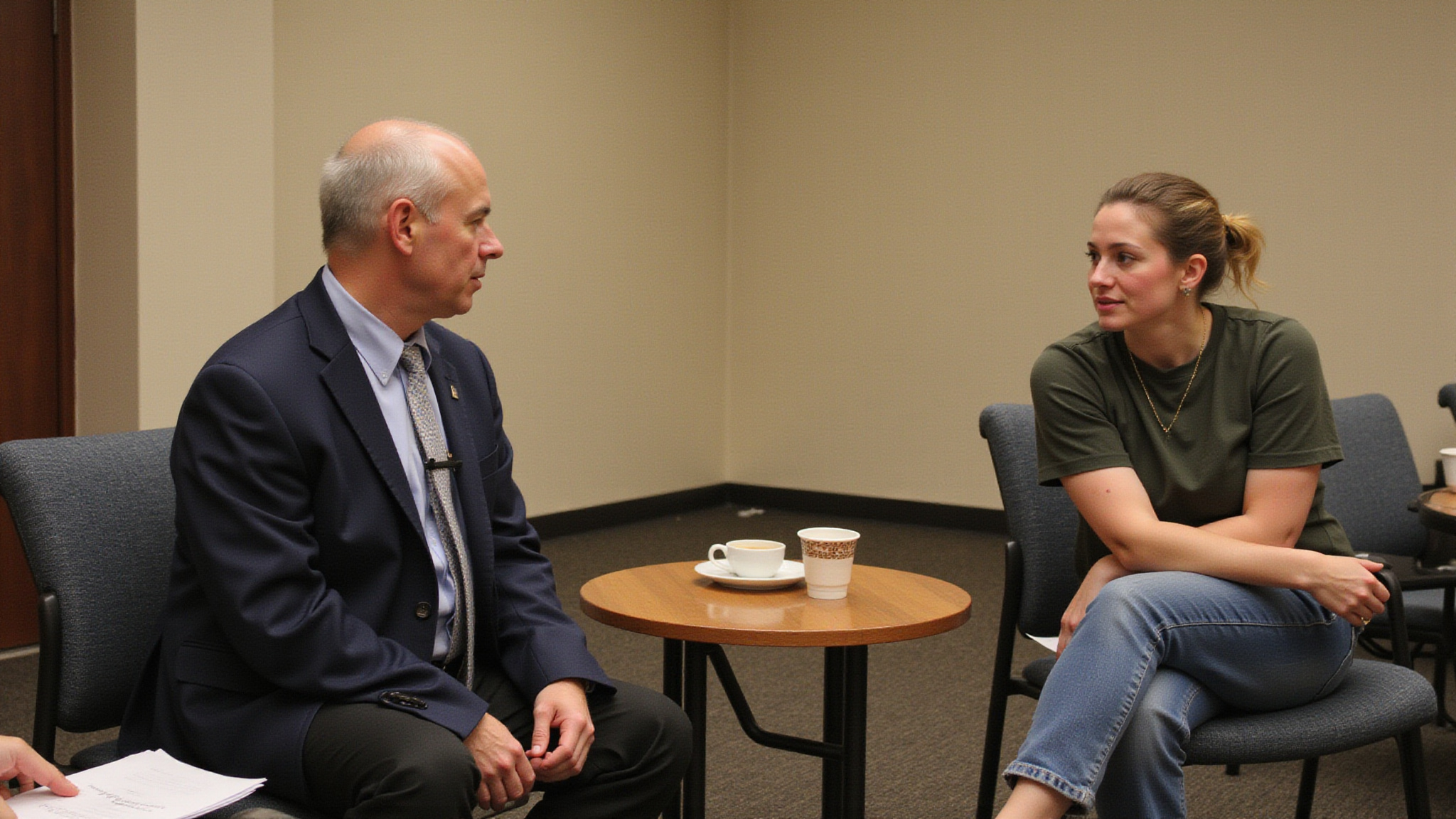





When addiction takes hold in your family, it doesn’t just affect one person, it reshapes everyone’s emotional health, communication, and sense of safety. You might notice trust eroding, finances straining, and children carrying burdens they shouldn’t. Partners often develop anxiety, depression, or codependent patterns without realizing it. But recovery is a collective journey. By setting healthy boundaries, seeking professional support, and distinguishing help from enabling, your family can begin healing together, and there’s much more to understand about how.
Why Addiction Is a Family Disease

When addiction enters a family, it doesn’t stay contained to one person, it ripples through every relationship, role, and routine in the household. Your family operates like an interconnected system, when one member struggles, everyone else shifts to compensate. That’s how addiction affects families at the deepest level.
You might notice enabling behaviors and role reversals emerging without anyone intending harm. Children take on parental responsibilities. Partners cover up consequences. These adaptations feel like survival, but they quietly reinforce the cycle. Understanding this dynamic is your first step toward change.
Providing emotional support family addiction requires recognizing that everyone’s been impacted. You didn’t cause this, but you’re part of the system, and that means you also hold power to shift it toward healing. That’s why family recovery matters, collective healing ensures that every member, not just the person struggling with addiction, gets the support they need to move forward. Support resources for drug addiction are essential for both individuals and families. They provide crucial guidance and tools that facilitate understanding and recovery.
How Addiction Affects Children’s Mental and Physical Health
When addiction is present in your family, your children face considerably higher risks of harm, they’re three times more likely to experience physical, sexual, or emotional abuse and four times more likely to suffer neglect than their peers. This instability disrupts their emotional development, often leading to anxiety, depression, low self-esteem, and behavioral problems like withdrawal or aggression as they struggle to process what’s happening around them. You may also notice developmental delays, neglected medical needs, and role reversal, where your children take on adult responsibilities that no child should have to carry. Children also learn by observing their environment and caregivers, meaning they may internalize and mimic the unhealthy behaviors they witness at home.
Increased Abuse and Neglect
Although addiction’s effects ripple through every family member, children often bear the heaviest burden, particularly through increased rates of abuse and neglect. Research shows that children with parents who misuse substances are three times more likely to experience physical, sexual, or emotional abuse. The family impact of addiction creates environments where supervision lapses and impaired judgment put children at heightened risk. Children in these households are also six times more likely to witness spousal abuse, compounding the trauma they already face.
When you’re coping with addiction in family life, neglect of basic needs and healthcare becomes a pressing concern. Children of addicted parents are four times more likely to experience neglect. Approximately 23% don’t receive routine health services during their first two years. Household finances get redirected toward sustaining addiction, leaving inadequate resources for medical care, nutrition, and dental needs, compromising children’s long-term health outcomes.
Emotional and Developmental Harm
Beyond the immediate risks of abuse and neglect, addiction’s presence in a family inflicts deep emotional and developmental harm on children, damage that often remains invisible yet shapes their entire trajectory. Research links parental substance abuse to anxiety, depression, psychosis, and even suicidal ideation. Children deprived of emotional attention struggle with regulation, expressing anger inappropriately, abandoning tasks, or reacting violently to minor triggers.
These effects extend into academics, where preoccupation with a parent’s behavior drives school failure and dropout. Physically, childhood emotional abuse increases adult cancer risk and chronic health complaints. Understanding how addiction and relationships intersect helps families recognize these patterns early. Effective coping strategies family addiction experts recommend include trauma-informed therapy and consistent emotional support. Prioritizing family recovery support can redirect a child’s developmental path toward healing.
Can Addiction Pass From Parent to Child?

If you’re wondering whether addiction can pass from parent to child, the answer involves both genetics and environment working together. Research shows that children of parents with substance use disorders are up to eight times more likely to develop addiction themselves, driven by inherited genetic vulnerabilities and learned behavioral patterns within the family system. The good news is that understanding these risk factors gives you the power to break the cycle through intentional choices, open communication, and supportive resources.
Genetic Risk Factors
When addiction runs in a family, it’s natural to wonder whether your children might face the same struggle, and the science confirms that genetics do play a meaningful role. Research shows genetics account for 40%-60% of addiction risk, though heritability varies by substance.
Key genetic risk factors your family should understand:
- Dopamine signaling genes like DRD2 influence how your brain processes reward, shaping vulnerability to substance use
- Metabolism genes such as ADH1B and ALDH2 directly affect how your body processes alcohol, altering disorder risk
- Stress response genes regulate how you handle pressure, poor regulation drives substance-seeking behavior
- Inherited epigenetic changes mean trauma and substance exposure can modify gene expression across generations
Genetic predisposition increases vulnerability but doesn’t determine your family’s outcome.
Learned Behavioral Patterns
The line between shared family activity and individual addiction is subtle. What starts as gaming together can quietly shift into compulsive behavior your child no longer controls. When you don’t name the problem, your child learns there isn’t one.
You’re not a bad parent for struggling. But recognizing how your behaviors shape your family’s coping patterns is the first step toward breaking the cycle together.
Breaking the Cycle
Addiction doesn’t just affect the person struggling with it, it can ripple across generations. Research shows you’re approximately 8 times more likely to develop addiction if a close family member has one. About 50% of addiction risk comes from genetic factors, but your genes aren’t your destiny, they’re one piece of the puzzle. Family support strategies for addiction can play a crucial role in helping individuals navigate their recovery journey.
You can break the cycle by understanding how both inherited traits and environmental factors shape your family’s relationship with substances:
- Know your history: Recognizing familial patterns gives you the awareness to make informed choices.
- Address childhood trauma: ACEs greatly elevate addiction risk, especially when you’re genetically predisposed.
- Reshape family dynamics: Changing shared beliefs about substances disrupts learned behavioral patterns.
- Seek early support: Intervention during adolescence can redirect environmental influences before genetic vulnerability intensifies.
The Emotional Toll on Spouses and Partners

Living with a partner who struggles with addiction often reshapes your entire emotional landscape in ways you might not immediately recognize. Research shows approximately 65% of spouses living with addicted partners develop psychiatric disorders, with major depression affecting nearly 43%. You may cycle through sadness, anger, and grief as you watch addiction disrupt what was once a healthy relationship.
Your body carries this burden too. Chronic stress produces headaches, insomnia, digestive problems, and panic attacks. Over time, you might withdraw socially, driven by shame and fear of judgment, which deepens your isolation.
Many spouses develop codependent patterns, attempting to fix, control, or protect their partner, which creates exhaustion and misplaced guilt. Recognizing these patterns isn’t about blame; it’s about understanding how addiction operates within your relationship system.
How Trust and Communication Break Down at Home
Beyond the emotional weight you carry as a spouse, addiction quietly dismantles something even more foundational in your home: trust. Broken promises, secrecy, and erratic behavior create patterns that make honest connection feel impossible. You stop believing what you’re told, and conversations shift from dialogue to defense. Supportive phrases for addiction discussions can play a crucial role in rebuilding that trust. They help create a safe space where feelings can be expressed without judgment.
When trust erodes, communication follows. You might avoid difficult topics to prevent conflict or suppress your feelings entirely. Over time, silence replaces openness, and misunderstandings deepen the distance between you.
Common patterns you may recognize:
- Repeated dishonesty about substance use replaces transparency
- Arguments escalate while meaningful conversations disappear
- Enabling or denial prevents your family from addressing the real problem
- Emotional withdrawal leaves everyone feeling isolated under the same roof
Financial and Social Fallout Families Face in Silence
While broken trust and silence reshape your relationships inside the home, addiction also drives a financial and social crisis that most families endure without ever speaking about it. Substance costs drain household budgets, legal fees accumulate, and medical bills multiply. When job loss follows, your family’s financial foundation destabilizes rapidly, savings disappear, debt grows, and credit deteriorates.
The fallout extends beyond money. Shame pushes your family toward social withdrawal. You stop inviting friends over, skip community events, and hide what’s happening behind closed doors. Your support networks weaken precisely when you need them most.
These pressures don’t stay contained within your household either. Healthcare systems, law enforcement, and social services absorb the broader impact, straining community resources that families like yours depend on.
Setting Boundaries, Seeking Help, and Protecting Your Mental Health
The financial and social pressures your family faces in silence don’t have to define your path forward, but moving through them requires intentional action, starting with boundaries. You’ll need to honestly assess where boundaries are unclear, unhealthy, or nonexistent, and recognize how your own patterns may contribute to dysfunction.
Distinguishing support from enabling is essential:
- Support means encouraging healthy choices, attending family therapy, and celebrating sobriety milestones
- Enabling means providing money without accountability, making excuses, or shielding your loved one from natural consequences
- Boundaries might include prohibiting substance use in your home, restricting unsupervised access to children, or removing financial support
- Self-care requires maintaining friendships, personal interests, and setting limits on energy devoted to recovery-related activities
Seeking professional guidance helps your family restructure long-established patterns while protecting everyone’s mental health.
How to Support a Loved One Without Enabling Them
Because love and enabling can feel nearly identical in the moment, distinguishing between them is one of the hardest skills you’ll develop on this journey. Enabling protects someone from consequences; supporting honors their capacity to grow through them.
| Enabling | Supporting | Why It Matters |
|---|---|---|
| Giving cash freely | Paying directly for treatment or food | Removes funding for substance use while meeting real needs |
| Making excuses to their employer | Letting them face workplace consequences | Accountability motivates change |
| Arguing about their substance use | Saying “I love you, how can I help in recovery?” | Shifts focus from conflict to connection |
You’re not their therapist. Drive them to meetings, research treatment centers, and communicate clearly what you will and won’t accept, then hold that line. It also helps to understand how someone can ask for help without feeling ashamed, so you can meet them with patience when they do.
What Family Recovery Actually Looks Like
Recovery doesn’t belong to one person in the family, it reshapes everyone under the same roof. You’re not just supporting someone else’s healing, you’re actively pursuing your own. Each family member develops new coping skills, builds healthier communication patterns, and works through their own emotional responses to addiction’s impact.
This process is regenerative. It asks you to examine old dynamics and replace them with trust, flexibility, and genuine connection.
Family recovery often includes:
- Incorporating recovery language into your daily household interactions
- Joining peer support groups like Al-Anon to reduce isolation and build resilience
- Rebuilding trust through consistent, honest communication across all relationships
- Eliminating enabling patterns by understanding how they undermine progress
You’re not watching recovery happen, you’re living it together.
Support for families, not just the person in recovery
Addiction affects the whole family, and you do not have to face it alone. Hopeful Estates offers family support in New Jersey and helps your loved one find a safe sober living home. We work with families in West Milford and across North Jersey. Call (201) 292-0185 to talk with our team.
Frequently Asked Questions
How Do You Explain a Family Member’s Addiction to Young Children?
You can use simple, concrete language like “their brain is confused and sad right now” rather than labeling them as “bad.” Compare it to familiar experiences, like being sick or needing medicine, so it feels less scary. You’ll want to reassure your child they’re safe, loved, and didn’t cause this. Look for natural conversation moments during everyday activities, and always emphasize that your family member’s choices aren’t your child’s responsibility.
Can Family Therapy Be Effective Even if the Addicted Person Refuses Treatment?
Yes, family therapy can still be highly effective even without your loved one’s participation. You can learn healthier communication patterns, set appropriate boundaries, and recognize enabling behaviors that may unintentionally sustain the addiction. Approaches like CRAFT can also help you develop strategies to encourage your loved one’s eventual treatment entry. Remember, addiction affects your entire family system, so strengthening your own well-being and relationships creates a healthier environment that supports everyone’s healing journey.
How Does a Loved One’s Addiction Affect Your Own Physical Health?
A loved one’s addiction can take a real toll on your body. You might skip meals, lose sleep, and stop activities you once enjoyed. The constant stress triggers your fight-or-flight response, which over time can lead to anxiety, depression, and physical exhaustion. You may also neglect your own self-care, pulling back from exercise, healthy routines, and supportive relationships. Prioritizing your well-being isn’t selfish, it’s essential for your whole family’s healing.
Are There Support Groups Specifically Designed for Siblings of Addicted Individuals?
Yes, there are support groups created specifically for you as a sibling. The Herren Project runs sibling support groups that address the unique dynamics you experience. You’ll find a safe space where you can share your concerns, learn about boundary-setting, and work through feelings of being overlooked. Nar-Anon and SMART Recovery Family & Friends also offer meetings where you’ll connect with others who understand your experience within the family system.
How Long Does It Typically Take for Families to Heal After Addiction?
Family healing typically unfolds over several stages, and you’ll notice meaningful progress within the first year of active recovery. During the initial months, you’re rebuilding trust and establishing healthier communication patterns. By months three through twelve, you’ll experience stronger connections as emotional stability improves. However, recovery’s a lifelong journey, you’ll continue growing together beyond that first year. With ongoing support and commitment, your family can develop deeper resilience and lasting wellness.