

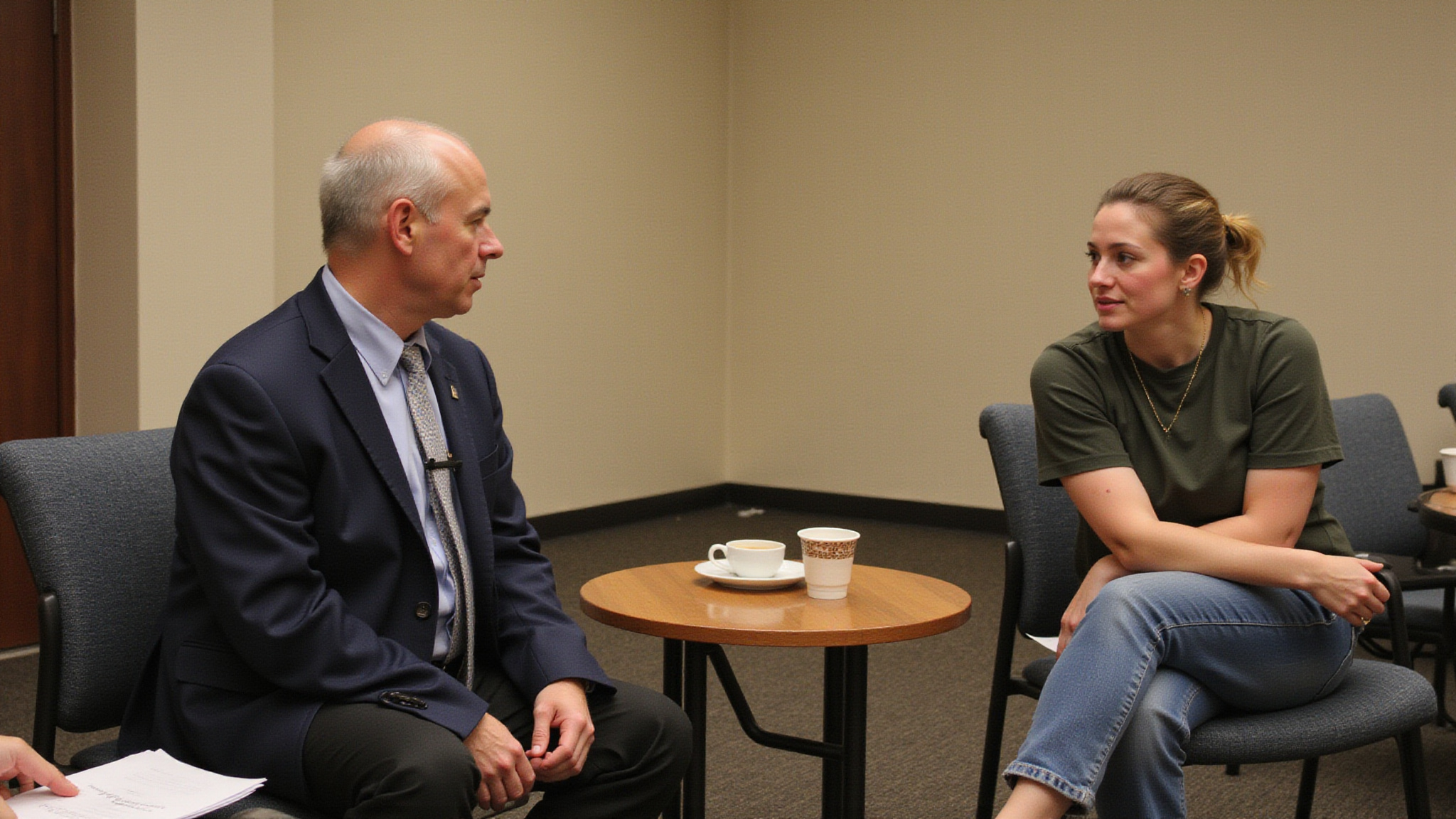





In the first 24 hours after asking for help, you’ll likely feel a wave of relief followed by unexpected panic, doubt, and vulnerability, and that’s completely normal. Your brain is adjusting to a major shift, and emotions may swing between hope and fear. You don’t need to commit to anything right away; just focus on safety and basic needs. Understanding what’s happening beneath the surface can make this critical window feel far less overwhelming.
Why the First 24 Hours After Asking for Help Feel So Strange

Once you’ve finally said the words out loud, whether to a loved one, a counselor, or a helpline, something shifts inside you that’s hard to describe. During the first 24 hours addiction help begins, you may feel relief and fear simultaneously. That’s completely normal.
Your brain’s adjusting to a decision that changes everything. The early recovery process often brings unexpected emotions, vulnerability, doubt, even grief over the life you’re leaving behind. You might question whether you made the right call. Addressing challenges promptly through seeking help early leads to a faster recovery and healing process, making this moment one of the most important steps you’ll ever take.
During rehab intake first day experiences, many people describe feeling caught between two worlds. You’re no longer hiding, but you haven’t fully stepped into recovery yet. This in-between space feels strange because it *is* new. You’re exactly where you need to be. Exploring rehabilitation resources in New Jersey can provide essential support during this transitional phase. Exploring rehab options for immediate assistance can help ease the discomfort of this transitional period.
The Relief-Then-Panic Cycle After Asking for Help
You might feel a wave of relief right after asking for help, only to have panic rush in minutes later as the weight of what you’ve shared sinks in. That sudden shift from calm to fear isn’t a sign you’ve made a mistake, it’s your mind catching up with a vulnerable moment. This back-and-forth between relief and panic is one of the most common experiences in the first 24 hours, and it doesn’t mean something has gone wrong. Much like any panic response, those intense feelings typically peak within 10 minutes and begin to diminish naturally if you allow them to run their course rather than fighting against them.
Relief Fades Quickly
After finally saying the words out loud, whether to a loved one, a doctor, or a helpline, most people feel an immediate wave of relief. That weight you’ve carried finally has somewhere to go. But understanding what happens after asking for help addiction-wise means knowing this relief often shifts fast. Finding support groups for addiction can be a crucial next step in the recovery journey.
Within hours, doubt can creep in. That’s completely normal during your addiction treatment start. You’re not backtracking, you’re processing. Managing everything alone often leads to isolation and emotional drain, so reaching out was the brave and necessary choice.
Common experiences in the recovery first steps timeline include:
- Feeling exposed after sharing something deeply personal
- Questioning your decision even though you meant every word
- Worrying about judgment from people who now know
- Fearing the unknown steps that come next
- Craving reassurance that you did the right thing
You did. Stay with it.
Panic Follows Vulnerability
Because vulnerability doesn’t come with a grace period, that initial relief can spiral into panic faster than you’d expect. You’ve opened a door you can’t close, and your mind starts racing through worst-case scenarios. What if they judge me? What if this doesn’t work? What if I’ve made a mistake?
This relief-then-panic cycle is a normal response to exposing something deeply personal. You’re not falling apart, you’re processing the weight of what you’ve just done.
The panic doesn’t mean you chose wrong. It means you chose something real. During these early hours, connecting with professionals and learning what comes next can ground you when your thoughts feel untethered. Knowing that support is already in motion helps replace fear with direction, giving you something concrete to hold onto.
Cycling Feels Normal
That back-and-forth between relief and panic isn’t a sign that something’s gone wrong, it’s actually one of the most common emotional patterns people experience in the first 24 hours after reaching out. You’re not losing progress when doubt creeps back in after a moment of calm. You’re processing something enormous.
Here’s what you should know about this cycle:
- Relief comes first because you’ve finally released the weight of silence
- Panic follows as your brain catches up to the vulnerability of what you’ve shared
- The cycle repeats naturally, each wave tends to lose intensity over time
- You’re not backsliding when fear returns; you’re adjusting to unfamiliar emotional territory
- This pattern typically stabilizes as you move further into the recovery process
You’re exactly where you’re supposed to be.
What Your First Conversation Will Actually Look Like
That first conversation isn’t an interrogation or a sales pitch, it’s someone sitting with you, listening without judgment, and letting you share at your own pace. You’ll explore what options feel right for you together, whether that’s therapy, a support group, or simply figuring out the next small step. You don’t have to commit to anything in that moment; the goal is just to help you feel heard and supported.
Non-Judgmental Listening First
When you make that first call or walk through that first door, the person on the other side isn’t going to quiz you, lecture you, or ask you to justify your choices. They’re trained to listen without judgment, offering compassion and acceptance from the very start. Your feelings won’t be labeled as good or bad, they’re simply yours.
Here’s what non-judgmental listening looks like in practice:
- They’ll use gentle prompts like “tell me more” or “I hear you” to keep you talking at your own pace
- They’ll reflect back what you share to confirm they understand
- They’ll maintain open body language that feels warm and welcoming
- They won’t interrupt your thoughts or rush the conversation
- They’ll create a safe space where you feel truly heard
Exploring Your Options Together
Once you’ve been heard, the conversation naturally shifts toward figuring out what comes next, and you won’t have to figure it out alone. This part feels collaborative, not prescriptive. You’ll explore options together through open-ended questions that keep you actively involved in shaping your own path forward.
Your support person may discuss professional resources like therapists, counselors, or your general practitioner. They might mention support groups or Employee Assistance Programs if available through your workplace.
The key here is collaborative problem-solving. Nobody’s handing you a rigid plan, you’re building one together. This approach helps you feel genuinely invested in the solutions rather than pressured into someone else’s idea of recovery.
No Commitment Required
If you’re imagining a formal sit-down with clipboards and checklists, you can let that image go. Your first conversation is just that, a conversation. It’s casual, pressure-free, and entirely on your terms. Nobody’s locking you into anything.
You’re simply exploring what’s possible. Think of it as gathering information while someone genuinely listens.
Here’s what you can expect:
- Open-ended questions about your goals, interests, and what matters to you
- Specific options presented so you can choose what feels right
- No-obligation language that respects your autonomy
- A relaxed tone that keeps things comfortable and safe
- Space to process without being rushed into decisions
You deserve time to think things through. This first step honors that.
Why You Feel Like a Different Person After Asking for Help
The moment you finally say the words out loud, whether to a counselor, a loved one, or someone on the other end of a helpline, something shifts inside you. That weight you’ve carried alone becomes a shared responsibility, and your nervous system begins shifting from panic to safety.
You’re not imagining it. When the right people validate your needs instead of triggering shame, your body recognizes that asking doesn’t lead to rejection. Old survival patterns start loosening their grip.
You also discover something powerful: you’re not the only one who struggles. That isolated feeling of being too different to understand fades as a genuine connection replaces it. Asking for help isn’t weakness, it’s recognizing what’s always been true about being human.
Why That Exposed, Awkward Feeling Means It’s Working

That raw, exposed feeling you’re experiencing right now isn’t a sign that something went wrong, it’s proof that something real is shifting inside you. When you strip away the protective walls you’ve built over time, discomfort is the natural result of standing in open air for the first time. The awkwardness you feel means you’re moving toward a genuine connection instead of staying locked in the isolation that kept you stuck.
Vulnerability Signals Real Change
Courage doesn’t always look bold, sometimes it shows up as a shaky voice, sweaty palms, and the overwhelming urge to take back everything you just said. That discomfort you’re feeling? It’s not a sign you’ve made a mistake. It’s proof you’re breaking old patterns.
When you feel exposed after asking for help, your brain is adjusting to unfamiliar territory. That’s growth in real time.
Here’s what that vulnerability actually signals:
- You’ve chosen honesty over hiding, and that takes real strength
- Your defensive walls are coming down, creating space for healing
- You’re rewiring how you cope with pain and fear
- You’ve admitted something needs to change, the hardest step
- You’re allowing others in, which recovery requires
Trust the discomfort. It means you’re moving forward.
Discomfort Precedes Growth
So you’ve let your guard down, and now every nerve in your body is screaming at you to retreat. That raw, exposed feeling isn’t a sign you’ve made a mistake, it’s a signal that real adaptive work is happening inside you.
Discomfort is how growth announces itself. Research by Woolley and Fishbach shows that people who recognize discomfort as a growth indicator maintain higher motivation and persistence. Your brain thrives under moderate challenge, not endless comfort. Too much ease actually dulls your capacity for joy and meaning.
You’re not falling apart. You’re stretching beyond old limits. The awkwardness you feel means your values are shifting, your environment is changing, and you’re adapting. This isn’t breakdown, it’s a breakthrough. Stay with it. The discomfort is temporary, but what you’re building isn’t.
Small Wins You’ll Notice in the First 24 Hours
Within the first 24 hours, you’ll start noticing shifts that might seem small but carry real weight. Each one reflects a choice you’re making to show up differently. Don’t minimize them, they’re evidence of real change already underway.
- You’re thinking more clearly without the fog of substance-seeking preoccupation clouding your mind.
- You’re reaching out to a counselor, sponsor, or support person instead of a familiar source of escape.
- You’re following a routine, getting up, eating, keeping appointments, even when it feels hard.
- You’re sitting with discomfort and recognizing that difficult feelings will pass.
- You’re here, reading this, which means you’re invested in your own recovery.
Every action you’ve taken today matters. Celebrate that.
Sleep, Focus, and Shifts You Might Miss After Asking for Help

After you’ve taken the brave step of asking for help, your body and mind begin adjusting in ways you might not immediately recognize. Your sleep patterns may feel disrupted, and that’s normal. Obsessing over sleep during the day actually worsens insomnia by creating hyperarousal states.
| What You’re Experiencing | What It Means |
|---|---|
| Not feeling rested despite sleeping longer | Your circadian rhythm is recalibrating |
| Difficulty concentrating during the day | Sleep-focused anxiety is pulling your attention |
| Feeling “wired” even when exhausted | Your nervous system remains in an activated state |
You don’t need to fix everything at once. Deep breathing with extended exhales and gentle stretches can help downregulate your stress response. Shifting focus away from sleep during waking hours actually improves rest.
When Doubt Creeps In Hours After Asking for Help
Even though you’ve already taken one of the hardest steps, asking for help, doubt doesn’t always respect your courage. Hours later, insecurities may whisper that you’ve made a mistake or that this attempt won’t be different. Depression and anxiety can amplify those voices, making even small follow-through tasks feel overwhelming. If the fear that shows up before recovery even begins is what is holding you back, naming it directly takes some of its power away.
Doubt may whisper that asking for help was a mistake, but courage doesn’t need permission to keep going.
Here’s what to remember when doubt creeps in:
- Your safety and wellbeing outweigh every doubtful thought, treat doubt as secondary
- One small action within 24 hours, like booking an appointment, builds momentum that doubt can’t easily undo
- Limiting beliefs about past failures don’t define this attempt
- Feeling drained doesn’t mean you’ve lost your resolve, it means you’re human
- Each time you push past hesitation, future help-seeking becomes less frightening
You’ve already proven you’re capable. Keep going.
Do You Need to Commit to Anything in the First 24 Hours?
How much are you actually expected to decide right now? Less than you probably think. The first 24 hours aren’t about signing up for anything long-term. They’re about stabilizing, finding a safe place, reaching a support person, and meeting basic needs like food and rest.
Crisis lines like 988 don’t require enrollment. Shelters through 211 don’t ask for contracts. You’re not locked into a program by making a single call.
Bigger steps, benefits applications, ID paperwork, employment searches, ongoing treatment programs, come later, after you’ve found your footing. Right now, the goal is small, concrete, and immediate.
You don’t owe anyone a five-year plan today. You just need to get through this day safely. Everything else can wait.
What to Expect in the Days Right After Asking for Help
Once you’ve gotten through that first day, you might wonder what the next few days will look like. Things won’t transform overnight, but you’ll likely notice small shifts that signal progress.
- You may need to repeat your story to different supporters or professionals, and that’s completely normal.
- Emotional waves will come and go, relief, doubt, fear, and hope can all show up unexpectedly.
- Supporters might check in with clarifying questions to better understand how to help you.
- You’ll start exploring next steps, like learning about treatment options or connecting with professionals.
- Initial reactions from others may surprise you, but don’t let one response define your path forward.
These early days are about building momentum, not perfection. You’ve already done the hardest part, you asked.
What the next days can look like
Once you have asked for help, a clear next step makes it real. Hopeful Estates helps you find sober living homes in New Jersey and settle in with support. We help people in West Milford and across North Jersey. Call (201) 292-0185 to talk with our team.
Frequently Asked Questions
Can I Go to Work Normally During My First 24 Hours After Asking?
You can often continue working during your first 24 hours after asking for help, though it depends on your individual situation. If you’re feeling stable, going to work can provide routine and normalcy. However, don’t push yourself if you’re emotionally overwhelmed. It’s okay to take time if you need it. Listen to your body, prioritize your well-being, and remember that seeking help is already a brave and important step forward.
Should I Tell My Family I Asked for Help Right Away?
You don’t have to tell your family immediately, but sharing sooner rather than later can help you feel less alone. Choose a calm, relaxed moment, like a quiet coffee or walk, rather than a high-pressure setting. Keep the conversation brief and light. If they minimize your concerns, gently clarify how seriously this affects you. Frame asking for help as a smart, courageous step, because that’s exactly what it is.
What Happens if I Change My Mind Within the First Day?
It’s completely okay if you feel uncertain or want to change your mind, that’s a normal part of the process. You’re not locked into anything, and no one will judge you for having second thoughts. If you do reconsider, reach out to the person or team you contacted and let them know how you’re feeling. They can help you explore your concerns, adjust the plan, or simply offer reassurance as you navigate this decision.
Will I Need to Stop Taking My Current Medications Immediately?
No, you won’t need to stop taking your current medications immediately. Stopping certain medications abruptly can actually be dangerous, so your care team will review everything you’re currently taking during those first 24 hours. They’ll work with you to create a safe plan, which might include gradual tapering or adjustments under medical supervision. You’re in good hands, your health and safety come first throughout this process.
Is It Normal to Feel Physically Sick After Reaching Out for Help?
Yes, it’s completely normal to feel physically sick after reaching out for help. Your body often responds to intense emotions like anxiety, relief, or vulnerability with physical symptoms such as nausea, headaches, or fatigue. These reactions are your body’s natural way of processing a significant emotional step. Don’t worry, these feelings typically ease as you settle into the support process. Your treatment team can help you manage any discomfort you’re experiencing.