

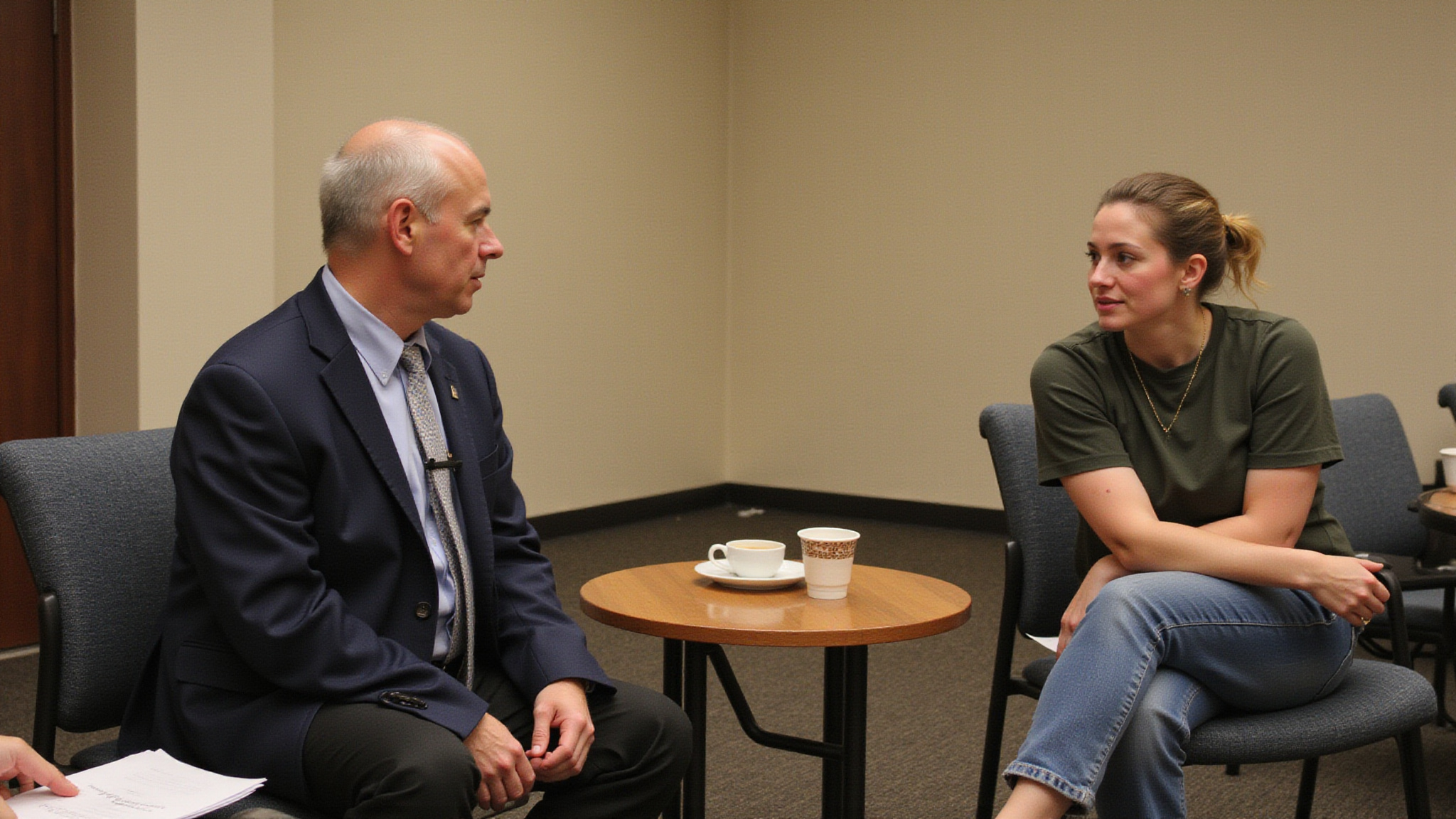





You don’t usually realize you need help in one dramatic flash, it’s a quiet accumulation of signals you’ve been pushing aside. Maybe you’ve noticed your body breaking down, your relationships withdrawing, or a moment with your kids that cuts through the denial. Research shows fear and relief often coexist in that turning point, and shame can disguise itself as self-preservation. Understanding what finally breaks through, and why it takes so long, can change everything.
What Does It Feel Like When You Finally Decide to Get Help?

Many people describe the decision to seek help not as a single dramatic moment, but as a quiet shift, moving from carrying everything internally to finally speaking it out loud. Realizing addiction has taken hold often happens while you’re still functioning externally but feeling detached internally.
You don’t need to hit rock bottom. Fear and readiness coexist, that’s normal. Anxiety about the process doesn’t invalidate your need for support. In addiction recovery stories, people consistently describe feeling both terrified and relieved simultaneously.
The recovery journey addiction demands isn’t linear. You’re not flipping a switch; you’re opening a door. Professional support starts with listening, not judgment. Speaking your truth to someone, whether a counselor or peer, creates tangible emotional movement and reminds you that you’re not alone. Connecting with others who share similar struggles can also reduce isolation through community engagement, making the path forward feel less overwhelming.
Shame, Fear, and Survival Mode: Why It Takes So Long
Before anyone can ask for help, they first have to fight past the internal barriers that shame, fear, and survival instincts have built over months or years. Shame functions as protective armor, guarding you against vulnerability and social rejection. It drives avoidance, fuels isolation, and feeds rumination loops that trap you in self-questioning rather than integration.
Research identifies shame as a disruption to recovery, it actively undermines the psychological processes needed to heal. Stigma compounds this, making the addiction turning point feel impossible to reach. You’ve internalized messages that seeking help means weakness, so you wait. Many people also carry wounds from previous encounters with the mental health system, where feeling dismissed or misunderstood reinforced the belief that reaching out isn’t worth the risk.
Understanding when people seek help for addiction becomes clearer: it’s not reluctance, it’s self-preservation misfiring. You’re not broken for hesitating. You’re maneuvering deeply rooted survival responses. Evaluating the need for treatment is an essential step in the healing process. It allows individuals to assess their relationship with substances and identify underlying issues.
When Your Body Forces You to Get Help

Sometimes your body delivers the wake-up call your mind has been avoiding. You notice your clothes hanging off a frame you barely recognize, your hands trembling and stomach lurching when you try to go without a substance, or an exhaustion so profound that no amount of sleep restores you. These physical crises, extreme weight loss, withdrawal symptoms, and breaking-point fatigue, become impossible to rationalize away, forcing you to confront what denial has kept hidden. Often, this mind-body disconnect means your nervous system has been sounding alarms for months while your conscious mind pushed through, suppressing every signal until the body made the crisis impossible to ignore.
Extreme Weight Loss Alarm
When your body drops 10 or more pounds without any deliberate effort, it’s sending a distress signal you can’t afford to ignore. A loss exceeding 5% of your body weight within 6-12 months demands immediate medical evaluation, as it’s linked to serious progressive conditions. Roughly 40% of cancer diagnoses begin with this very symptom, including early-stage colorectal, pancreatic, and lung cancers.
For some, this physical deterioration becomes the realization of substance abuse that something is critically wrong. Underlying conditions like hyperthyroidism, diabetes, or celiac disease may be accelerating the damage. If you’re experiencing gastrointestinal complications, swallowing difficulties, or nutrient malabsorption, don’t wait. This moment often becomes the drug rehab decision moment that redirects your life toward recovery.
Withdrawal Symptoms Strike Hard
Though you may have ignored other warning signs, withdrawal symptoms are your body’s most urgent demand for help, and they can turn dangerous fast. When you stop using, your nervous system revolts. You’ll experience sweating, tremors, muscle aches, and a racing pulse, symptoms that typically peak within 24 to 72 hours.
The danger escalates quickly. Alcohol and benzodiazepine withdrawal can trigger seizures, delirium tremens, and cardiovascular collapse, all potentially fatal without medical supervision. Opioid withdrawal brings relentless nausea, vomiting, and diarrhea lasting four to ten days, risking severe dehydration. Detoxing safely from substances requires a comprehensive approach that includes both physical and psychological support.
Beyond the physical crisis, you’re battling intense anxiety, depression, and overwhelming cravings that persist for weeks without professional intervention. These aren’t signs of weakness, they’re neurological responses demanding clinical support. Your body’s telling you something you can’t afford to ignore, and understanding how withdrawal actually unfolds can prepare you for what medical detox involves.
Exhaustion Reaches Breaking Point
Withdrawal symptoms aren’t the only way your body sounds the alarm, sometimes the damage builds so gradually that you don’t notice until you’ve hit a wall you can’t push through. You’re sleeping nine hours yet waking depleted. Chronic headaches, muscle tension, and gastrointestinal distress become your baseline. Your immune system falters, leaving you cycling through illness after illness.
Cognitively, you can’t concentrate. Brain fog erodes your decision-making, and mistakes multiply at work. Emotionally, you’ve gone numb, depersonalized from your own identity, indifferent to things that once mattered.
Then your behavior shifts. You isolate. You self-medicate. Daily tasks feel insurmountable. This isn’t ordinary tiredness, it’s systemic collapse across physical, cognitive, and emotional domains. When exhaustion reaches this threshold, your body’s demanding what your mind hasn’t yet accepted: you need help.
“My Kids Can’t Lose Me”: Parenthood as a Breaking Point

For parents battling addiction, the fear of leaving their children without a mother or father often becomes the catalyst that breaks through denial. You recognize that your children’s stability depends on your survival, and that realization carries undeniable weight.
Parenthood can serve as a breaking point in three key ways:
- You witness your behavior’s direct impact on your child’s emotional well-being and development.
- You confront the possibility of permanent absence, through death, incarceration, or lost custody.
- You experience your child’s fear or confusion, which mirrors the severity of your condition back to you.
These moments aren’t abstract. They’re visceral. When you see your child’s face and understand what’s at stake, denial becomes impossible to sustain.
Years of Homelessness Before Anyone Showed Up
Before anyone extends a hand, years often pass, sometimes decades. You’re traversing a system that wasn’t built to find you. Federal homelessness legislation didn’t exist until 1987, over 300 years after homelessness was first documented in America. If you’ve waited years without intervention, you’re not an exception; you’re the pattern.
| Factor | Impact |
|---|---|
| Pre-1987 federal response | No extensive homeless-specific legislation existed |
| Chronic homelessness share | 18% of shelter users consumed 53% of shelter days |
| Staircase Model barriers | Required sobriety and employment before housing eligibility |
| Average street duration | Documented cases exceeded 15 years before placement |
| Housing First adoption | Didn’t emerge until the 1990s |
You weren’t overlooked by accident. The system’s delays are structural, measurable, and well-documented.
Hearing Voices and Thoughts That Wouldn’t Stop
Though the streets may have been silent around you, the noise inside your head never let up. Auditory verbal hallucinations, voices without a speaker, affect roughly 1 in 10 people, and they’re not always tied to a diagnosis. But when they persist, intensify, and feel external, they often signal something deeper.
You might’ve noticed these shifts:
- Persistent voices that disrupted your concentration and daily functioning
- Unusual beliefs or delusional thinking that accompanied the sounds
- Withdrawal from people you once trusted, paired with emotional numbness
These experiences align with psychosis-related symptoms, where your brain processes sensory information differently. Journaling patterns and practicing mindfulness can help you distinguish voices from intrusive thoughts. Recognizing that the noise won’t stop on its own is often the moment you realize you need support.
When Financial Collapse Became a Mental Health Crisis
When unpaid bills begin triggering panic attacks and emotional breakdowns, you’re experiencing what research confirms is a bidirectional cycle, financial strain worsens mental health, and mental health problems deepen financial hardship. If you’ve lost a job, prospective studies show unemployment has a causal influence on major depression, and that depression then reduces your chances of re-employment, accelerating a spiral of chronic debt and despair. As debt accumulates, you may find yourself consumed by increasingly dark thoughts, a pattern consistent with findings that people with depression and problem debt are 4.2 times more likely to still have depression 18 months later.
Bills Triggered Breakdowns
Financial stress doesn’t just weigh on your mind, it can fundamentally reshape your mental health. If you’re unable to pay medical bills, you’re likely experiencing roughly 6.5 days of mental health symptoms monthly, double the rate of those without payment difficulties.
The data reveals a devastating cycle:
- Medical debt doubles your likelihood of delaying or forgoing mental health treatment entirely.
- Over one-third of adults carrying medical debt and depression postpone the very care they need most.
- 42% of Americans report that money concerns directly harm their mental health, driving anxiety, insomnia, and depression.
You might avoid opening bills, stop checking your bank account, or skip treatment appointments. These avoidance behaviors aren’t weakness, they’re predictable responses to overwhelming financial pressure that perpetuate the crisis cycle.
Job Loss Spiraled Deeply
Losing a job doesn’t just drain your bank account, it dismantles the psychological scaffolding that holds your daily life together. Work provides time structure, identity, purpose, and social connection. When that’s stripped away, your brain shifts into catastrophic thinking, bankruptcy, homelessness, permanent failure. Your nervous system responds to these imagined scenarios as real threats, triggering insomnia, panic attacks, and chronic anxiety.
Research shows that unemployed individuals experience depression at twice the rate of employed people. Beyond six months, mental health deteriorates sharply. You become less emotionally stable, less agreeable, and increasingly reliant on unhealthy coping mechanisms like alcohol to reclaim a sense of control.
This isn’t just financial hardship, it’s a mental health crisis that shakes your identity and sense of safety. Recognizing that spiral is the critical first step toward seeking support.
Debt-Fueled Dark Thoughts
Though job loss strikes at identity and purpose, mounting debt attacks something even more primal, your sense of safety. When you’re behind on payments, your brain enters a sustained stress response that doesn’t resolve. Research confirms people in debt trouble are 3.5 times more likely to experience mental health problems.
The progression follows a predictable pattern:
- Chronic anxiety develops from collection calls, unopened bills, and constant financial pressure that keeps your nervous system activated.
- Depression and hopelessness set in, sometimes triggering emotional spending that deepens the crisis.
- Suicidal ideation emerges, 50% of people behind on consumer credit bills have experienced suicidal thoughts.
This isn’t a weakness. It’s a documented neurological response to unrelenting financial threat. Recognizing these dark thoughts as debt-driven is often the moment you realize you need help.
The Loneliness That Finally Pushed Me to Seek Help
When isolation becomes a constant companion, its effects extend far beyond emotional discomfort, chronic loneliness produces health consequences equivalent to smoking 15 cigarettes daily, increasing risks of depression, anxiety, cardiovascular disease, and cognitive decline. You don’t need to be physically alone to experience this, loneliness is a subjective perception, meaning you can feel profoundly disconnected even while surrounded by supportive people.
Technology contributes to this paradox. Seventy-three percent of surveyed individuals cite it as a loneliness factor, while 66% identify insufficient family time and 62% report overwork as significant causes. If you’re masking your true self socially, the gap between your public presentation and private identity deepens the disconnection. You might self-medicate through substances, reinforcing isolation further. Recognizing loneliness as a legitimate health crisis, not a personal failing, is often what finally pushes you toward seeking help.
How to Tell When Someone You Love Is Ready for Help
How do you recognize the shift from someone struggling in silence to someone who’s actually open to change? You’ll notice subtle but meaningful behavioral signals that indicate readiness.
| Signal Category | Resistance Signs | Readiness Signs |
|---|---|---|
| Communication | Deflects conversations about well-being | Makes direct or indirect requests for help |
| Social Behavior | Withdraws and cancels plans consistently | Re-engages or expresses desire to reconnect |
| Self-Awareness | Blames others, shifts responsibility | Acknowledges struggles and their consequences |
Watch for moments when they stop minimizing their pain. You might hear statements like “I can’t keep doing this” or notice them researching treatment options. These aren’t casual remarks, they’re critical openings. When you observe this shift, respond with validation, not pressure. Casual use versus dependence in substances can often be a fine line to navigate.
From realizing it to a real plan
That moment of clarity is worth acting on. Hopeful Estates helps you turn it into a plan by finding sober living homes in New Jersey that fit your situation. We help people in West Milford and across North Jersey. Call (201) 292-0185 to talk with our team.
Frequently Asked Questions
Can You Be Forced Into Treatment if You Haven’t Asked for Help Yourself?
Yes, you can be forced into treatment without asking for help yourself. Through legal pathways like court-ordered involuntary commitment, drug courts, or emergency psychiatric holds, authorized parties can petition for your treatment. You’d need to meet specific criteria, such as posing a danger to yourself or others, or being unable to make sound decisions. Laws vary by state, but research shows coerced treatment can be just as effective as voluntary participation.
What Happens if You Relapse After Finally Deciding to Seek Help?
Relapsing doesn’t mean you’ve failed, it signals your treatment plan needs adjusting. You’re in good company, as 40-60% of people in recovery experience relapse, comparable to relapse rates for other chronic illnesses. Your body’s tolerance drops after stopping use, so resuming carries serious overdose risks. You’ll want to work with your treatment team to increase therapy frequency, identify triggers, and strengthen your prevention strategies. Recovery’s still very much within reach.
Are There Recovery Programs Specifically Designed for People Without Health Insurance?
Yes, you’ll find several recovery programs designed for people without insurance. Government-funded facilities through HRSA and FindTreatment.gov offer free or low-cost treatment. The Salvation Army operates more no-cost rehab centers than any other U.S. organization. You can also explore state Medicaid programs, which cover detox, residential treatment, and medication-assisted treatment. Additionally, free support groups like AA, NA, and SMART Recovery provide ongoing community-based recovery support.
How Do You Rebuild Relationships Destroyed Before You Recognized the Problem?
You rebuild damaged relationships through a structured rupture-and-repair process. Start by taking genuine responsibility and expressing honest remorse for your role. Practice active listening to understand how your actions affected others, even when it’s painful. Open yourself to vulnerability despite fear of repeated hurt. Research shows couples who restore trust after breaches often achieve deeper satisfaction than before. Remember, healing isn’t instant, it requires consistent effort, patience, and mutual emotional availability.