







When you’re choosing a sober living home for women, look for a safe, women-only environment that protects your privacy and builds peer trust. You’ll want clear supervision, substance-free surroundings, and a clean, stable space. Prioritize trauma-informed care that honors what you’ve been through, plus gender-specific programming, mental health support, and case management. If you’re a parent, ask about children. The right staff and house culture matter too, and there’s more worth knowing ahead.
Key Takeaways
- Choose a women-only environment that ensures privacy, comfort, and peer trust in a clean, stable, substance-free living space.
- Verify clear supervision, on-site or on-call staff, written house rules, and defined conflict-resolution procedures for consistent safety and accountability.
- Look for trauma-informed, gender-specific programming that addresses women’s unique recovery needs rather than one-size-fits-all approaches.
- Confirm access to mental health services, case management, peer support, and workforce or education resources for holistic recovery.
- If parenting, seek homes that allow children with child-friendly spaces, family services, and clear supervision and safety rules.
What to look for in a sober living home for women
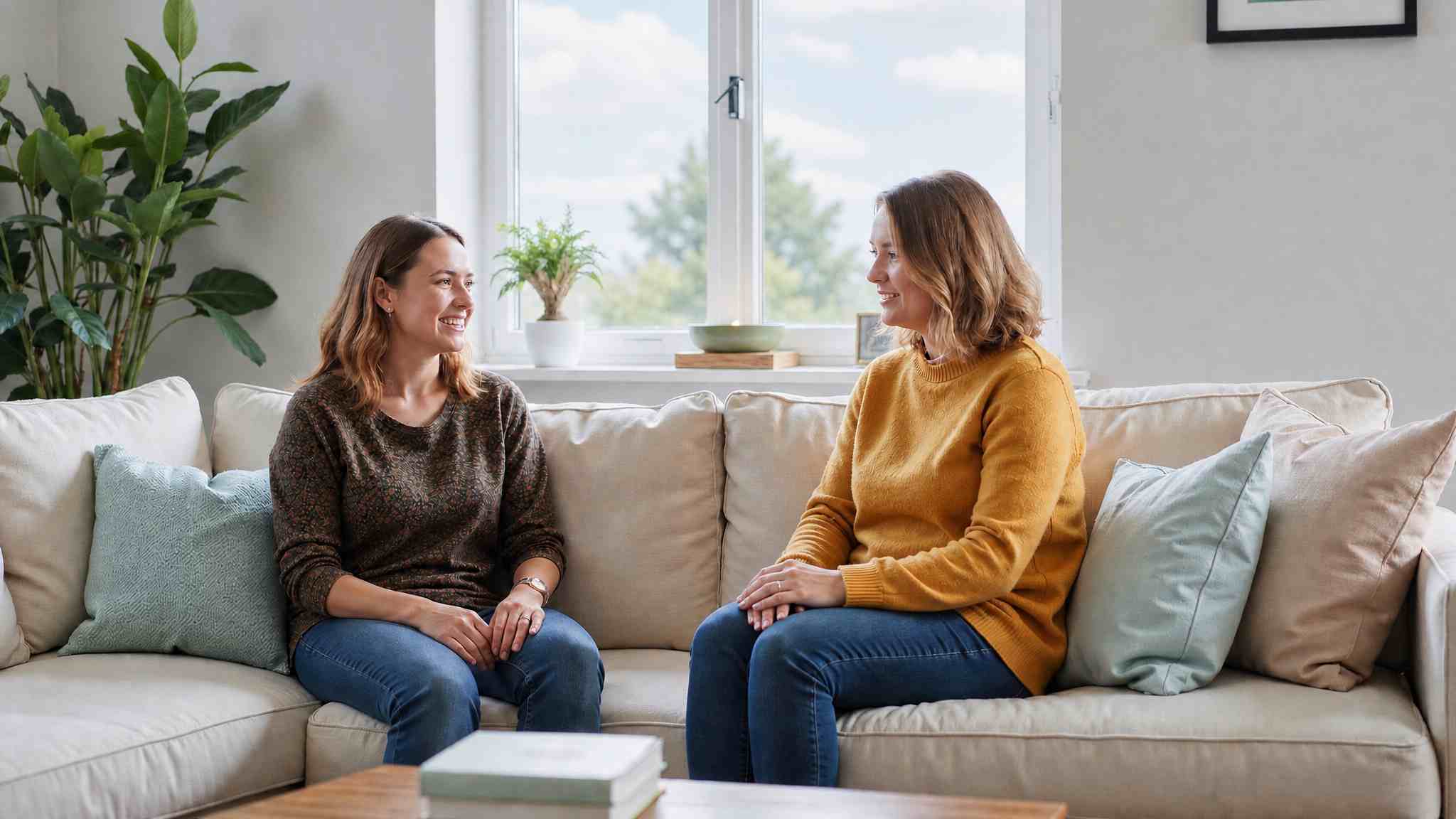
A sober living home supports your recovery when it prioritizes safety, provides clear supervision, and protects both your physical and emotional well-being. You deserve a space with visible oversight. Women-only housing can strengthen that sense of privacy, comfort, and peer trust, especially in early recovery. Understanding sober living and halfway house differences is essential for anyone navigating their recovery journey. Choosing the right type of housing can enhance your recovery experience and promote long-term success.
Look for a substance-free environment and a clean, stable living space, since these are core markers of quality. Pay attention to whether the program uses trauma-informed care, meaning staff understand how past harm shapes your needs today.
You’ll also want written house rules, consistent accountability, and qualified staff who are available when crises arise. When these pieces align, you’re more likely to find housing that genuinely holds and supports your healing.
What safety features matter most for women
The safety features that matter most for women in early recovery are a women-only environment, clear supervision, on-site or on-call staff, a substance-free setting, and a trauma-informed approach. A women-only environment improves comfort, privacy, and peer trust when you’re most vulnerable. Look for clear supervision and visible oversight, plus on-site or on-call staff who can help you manage crises and maintain stability.
A substance-free setting protects your progress, while a trauma-informed approach ensures the support you receive respects what you’ve been through. Written house rules, consistent accountability, and defined conflict-resolution procedures signal a home that takes your protection seriously.
If you’re parenting, child-friendly space matters too. Prioritize homes offering clean, stable living conditions and dependable oversight, because feeling genuinely safe is what lets real recovery begin.
Does the home offer gender-specific support and programming

Yes, quality women’s recovery homes offer gender-specific support and programming rather than a one-size-fits-all approach, because women’s recovery needs differ in meaningful ways. Look for a trauma-informed model, since many women enter recovery carrying histories that shape how they heal. Ask whether the program provides mental health services for co-occurring concerns, along with case management to coordinate appointments, benefits, and recovery planning.
You’ll also want to know if the home supports women parenting children, offering family services or help rebuilding custody stability. Consider whether peer support, community-building activities, and workforce or education resources are available, because these reduce isolation and strengthen independence. When programming reflects women’s realities, you’re more likely to find the consistent, individualized support that sustains lasting recovery.
Can women bring children to a sober living home
Yes, some women can bring their children to a sober living home, though it depends on the specific home, since not every sober living program is equipped to house residents with kids. Some women’s homes offer child-friendly space or family services designed to support mothers rebuilding custody stability. Others focus solely on the resident and don’t have the supervision, space, or resources to accommodate children. Ask directly during your search so you know what to expect. Suboxone in sober living homes can provide crucial support for those in recovery who struggle with opioid dependence. Many facilities are beginning to recognize the importance of medication-assisted treatment and are incorporating Suboxone into their programs.
When considering a home for you and your children, look for:
- Child-friendly living space and age-appropriate accommodations
- Family services that support parenting and custody rebuilding
- Clear rules about children’s presence, safety, and supervision
- Case management to coordinate benefits, childcare, and appointments
These details help you choose a home that supports your whole family.
What does women’s sober living cost and cover

Women’s sober living costs vary widely, depending on location, staffing, and the services included in your monthly rent. Because many recovery homes work as low-cost transitional options, affordability matters, but the lowest price isn’t always the safest fit. Ask what your fee covers, and request a transparent, written payment structure so you’re not caught off guard. Oxford House vs sober living can also influence your overall experience in recovery. It’s essential to weigh these factors carefully to find the living arrangement that best meets your needs.
| What You Pay For | What It May Cover |
|---|---|
| Base rent | A substance-free room, utilities, oversight |
| Support services | Case management, peer support, drug testing |
| Extra fees | Family services, transportation, groups |
Some programs require proof of income or another funding source. Clarify whether outpatient treatment, mental health care, or childcare costs extra, so your recovery budget stays realistic and steady.
How do you evaluate the staff and house culture
Evaluate staff and house culture by watching how staff interact with residents, because their tone tells you more than any brochure. Look for qualified staff who use a trauma-informed, recovery-oriented approach, and notice whether residents seem safe, respected, and heard. Ask about on-site or on-call availability, since crisis support helps you maintain stability. A healthy house culture reflects consistent oversight, clear expectations, and peer trust rather than fear or judgment.
A brochure can promise anything, but the way staff speak to residents tells you the truth.
As you evaluate, pay attention to these markers:
- Staff credentials like peer recovery specialists, recovery coaches, or life coaches
- Availability, including on-site or on-call staff during crises
- House culture that feels safe, women-centered, and free of shaming
- Community-building activities that reduce isolation and strengthen peer support
Trust what you observe.
How do you find the right home for women
Finding the right home for women starts with matching your recovery needs to what a program actually offers. Begin by identifying your recovery stage, then confirm the home admits women at that point, whether you’re in early recovery or post-treatment. Check whether the program requires documented sobriety, a substance use disorder diagnosis, or ongoing outpatient participation, and make sure you meet those standards.
Look closely at the services offered. If you’re managing co-occurring concerns, prioritize mental health support and case management. If you’re parenting, seek family services or child-friendly space.
Consider practical access too. Confirm the location supports transportation, work, and treatment follow-through, and ask for transparent fees upfront. A strong fit means you can follow the rules, engage in services, and function safely.
Conclusion
Choosing the right sober living home for women means looking for safety, structure, and a supportive, understanding environment. Important factors include a women-only setting, clear rules and accountability, access to counseling or meetings, trauma-informed staff, and a location that supports your work, family, and recovery goals. Visiting in person and trusting how a place feels can tell you a lot.
Find the Right Sober Living Home for Women
Choosing a sober living home for women takes careful consideration of safety, structure, and specialised care that supports recovery. Through Hopeful Estates serving Franklin Lakes, NJ, we connect you with trusted Sober Living homes that provide the right structure, safety, and welcoming community for lasting sobriety. Call (201) 292-0185 today and take the first step toward lasting recovery.
Frequently Asked Questions
How Long Can Women Typically Stay in a Sober Living Home?
Your length of stay depends on the program and where you are in recovery, so there’s no single timeline. Some homes support early recovery with shorter stays, while others welcome you for months as you stabilize. You’ll often stay as long as you’re following the rules, engaging in services, and working toward independence. Ask about expected timeframes upfront, so you can plan with clarity and feel supported throughout your journey.
Can I Keep Working or Attending School While Living There?
Yes, you can usually keep working or attending school while living there. In fact, many programs actively encourage it, since steady work and education support your stability and long-term recovery. You’ll want to choose a home located near transportation, your job, or your school to make daily follow-through easier. Just You’ll still need to honor house rules, curfews, meetings, and responsibilities alongside your outside commitments. That’s completely manageable.
What Happens if a Resident Relapses or Breaks the Rules?
You’ll typically face clearly defined consequences, since strong homes explain their rules and conflict-resolution procedures upfront. If you break a rule, you might have a conversation, revisit expectations, or face outlined consequences. If you relapse, a trauma-informed program usually responds with support rather than shame, though repeated substance use may affect your housing. You deserve to know these policies before moving in, so you’re never caught off guard during a vulnerable moment.
Do I Need a Referral to Apply for Admission?
You don’t always need a referral, but some homes prefer or require one. Admission standards vary, so you’ll want to ask directly. Many programs screen for readiness, which can include documented sobriety, a substance use disorder diagnosis, or current participation in outpatient treatment. Some may ask for proof of income or another funding source. It’s okay to reach out and ask questions, finding the right fit matters for your recovery.
Does Insurance or Medicaid Help Pay for Sober Living?
Coverage varies, so you’ll want to check directly with each home. Insurance and Medicaid often don’t pay for sober living itself, since it’s housing rather than treatment. They may, however, help cover the outpatient care or mental health services paired with your housing. Ask about transparent fees, payment structures, and whether proof of income is required. If cost feels overwhelming, case management can help you explore affordable options and available funding sources.