







If you’re weighing your options, here’s what sets these two apart. Sober living homes are voluntary, recovery-focused residences you typically choose after inpatient treatment, and you pay rent directly. Halfway houses are often court-mandated, tied to corrections, and funded through subsidies, so they cost less. Sober living offers lighter oversight and open-ended stays; halfway houses add stricter rules and time limits. Understanding these differences helps you choose wisely, and there’s more worth knowing below.
Key Takeaways
- Sober living homes are voluntary, recovery-focused residences, while halfway houses are often court-mandated and tied to corrections.
- Sober living costs more through direct rent payments, whereas halfway houses are cheaper due to government funding or income-based fees.
- Sober living typically serves recovery-focused clients after treatment, while halfway houses more often serve justice-involved residents from prison or court programs.
- Sober living uses house rules and peer accountability, while halfway houses require mandatory check-ins, programming, and movement restrictions tied to parole or probation.
- Sober living stays are open-ended based on rent and rules, while halfway house stays are time-limited, often lasting several months to a year.
What is the difference between Sober living and halfway house
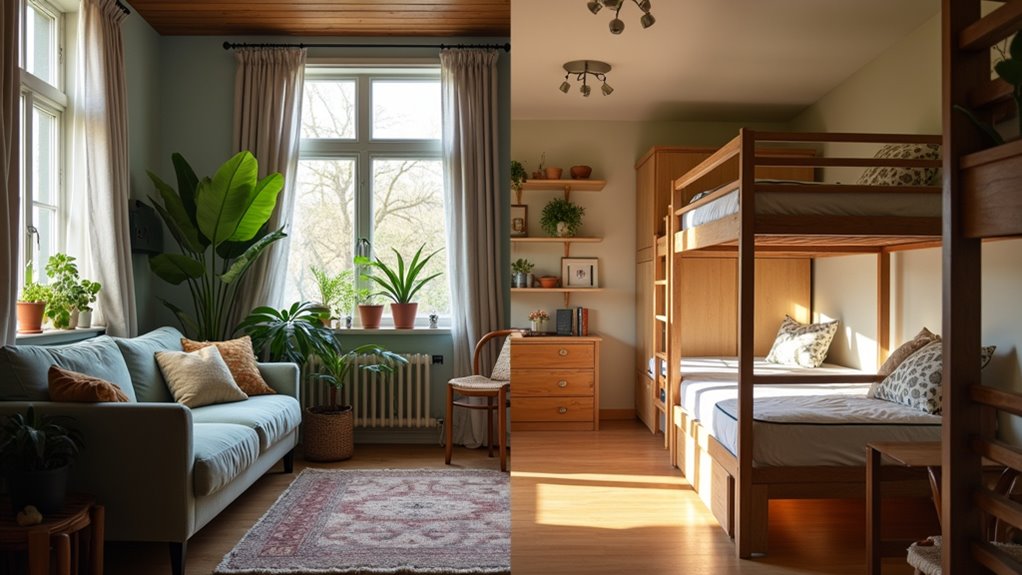
The difference is that sober living homes are voluntary, recovery-focused residences, while halfway houses are transitional facilities more often tied to corrections and mandated placement. Sober living homes are recovery-focused residences you choose voluntarily, usually after inpatient or residential treatment. They offer a substance-free environment built on peer accountability, house rules, and abstinence, without functioning as a clinical program. The difference between Oxford House and sober living lies in the structure and autonomy each provides. This format fosters a sense of belonging and empowerment, contributing to long-term recovery success.
Halfway houses, by contrast, are transitional facilities more often tied to corrections, courts, or structured reentry after incarceration. Your placement there is frequently mandated, with supervision and programming linked to legal compliance or parole and probation conditions.
Put simply, sober living emphasizes community-based recovery and gradual reintegration, while a halfway house emphasizes supervised transition and compliance.
How do the costs of sober living vs a halfway house compare
Sober living costs more than a halfway house because you pay rent directly, while a halfway house is often government-funded, subsidized, or contract-operated, which usually lowers your out-of-pocket cost. The key difference comes down to who pays. Sober living homes are typically privately operated, so you’ll pay rent directly, often making them more expensive.
| Factor | Sober Living | Halfway House |
|---|---|---|
| Who pays | You, through rent | Government or program |
| Typical cost | Higher | Lower |
| Funding source | Private | Subsidized/contract |
| Insurance | Rarely covers housing | Fee based on income |
Your budget matters here. Sober living relies on private payment with few subsidies, while halfway house placement may only require a portion of your income or a set fee. Understanding these differences helps you plan realistically for your recovery journey.
Who typically lives in each type of home

Sober living homes and halfway houses typically serve different populations, even though both support people rebuilding their lives. If you enter a sober living home, you’ve likely come straight from inpatient or residential treatment and chosen this setting voluntarily to protect your recovery. Your neighbors share that goal, focusing on abstinence and peer accountability rather than legal obligations.
In a halfway house, you’re more likely arriving from prison, jail, or a court-supervised program. Placement here is often mandated, tied to parole or probation conditions, and it comes with closer supervision to ensure compliance.
Some overlap exists, but the typical populations differ. Sober living tends to draw recovery-focused clients, while halfway houses more often serve justice-involved residents getting back into the community under structured oversight.
What rules and structure does each provide
Sober living provides house rules, peer support, and personal accountability, while halfway houses provide mandatory check-ins, formal schedules, movement restrictions, and required program participation.
In sober living, you’ll rely mostly on house rules, peer support, and personal accountability. Expect random drug testing, abstinence requirements, and shared responsibilities, but fewer institutional constraints. You choose to be there, so the structure supports your recovery without heavy oversight.
Halfway houses hold you to stricter standards. You’ll likely face mandatory check-ins, formal schedules, movement restrictions, and required program participation. Because many residents arrive through the justice system, these rules often connect to parole, probation, or reentry conditions you must meet.
Put simply, sober living emphasizes community-based accountability, while halfway houses emphasize supervised structure. How much oversight you need helps you decide which environment best supports your stability and long-term recovery.
How long can you stay in each
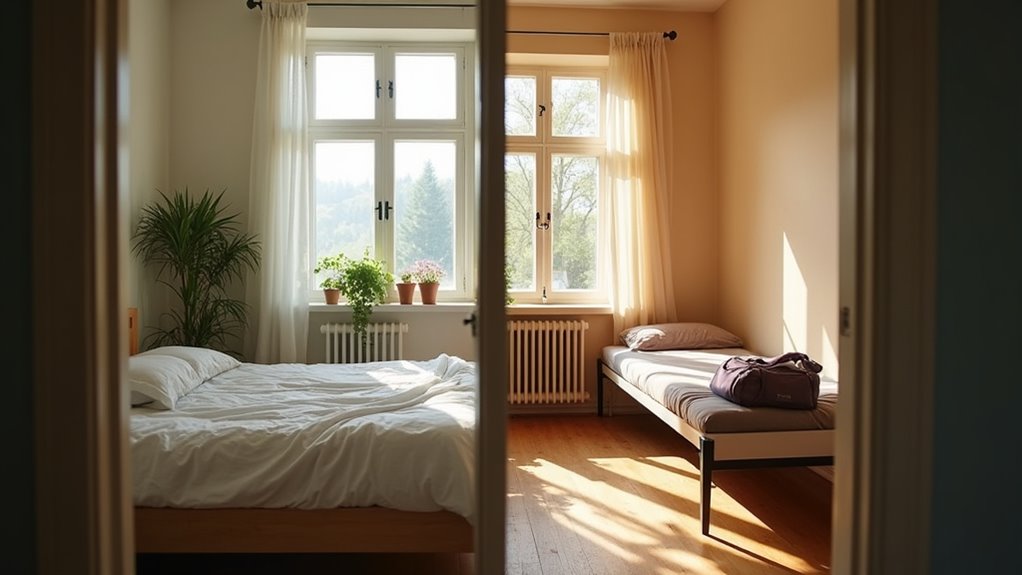
How long you can stay depends on which setting you choose. In a sober living home, your length of stay is usually open-ended. As long as you follow house rules and keep paying rent, you can stay as long as you need. This flexibility supports gradual reintegration, letting you decide when you’re ready to move on within the program’s guidelines.
A halfway house works differently. Your stay is typically time-limited, often lasting several months up to about a year. Because placement is frequently tied to release conditions, you may have a fixed timeline and limited ability to extend it. This structured transfer reflects the halfway house’s focus on supervised reentry rather than the self-directed pace sober living allows.
How do you choose between sober living and a halfway house
Choose between these two settings by understanding how you arrived at recovery. If you’re leaving inpatient or residential treatment and want a voluntary, substance-free environment, sober living often fits your needs. If you’re moving on from incarceration or working under court, parole, or probation conditions, a halfway house may match your situation or be required.
Consider the structure you need. Sober living relies on house rules, peer accountability, and random drug testing, offering more privacy and open-ended stays. Halfway houses provide stronger supervision, formal schedules, and mandated reporting tied to legal compliance.
Factor in cost, too. Sober living usually depends on private rent payments, while halfway houses often receive government funding. Weigh your recovery goals, obligations, and budget before committing to either path.
Conclusion
Sober living homes and halfway houses both support people in recovery, but they differ in key ways. Halfway houses are often government-funded, time-limited, and tied to treatment programs or the criminal justice system, while sober living homes are usually privately run, more flexible in length of stay, and funded by residents. Both offer structure and a sober environment, so the right choice depends on your needs, finances, and situation.
Call Today and Explore Your Sober Living Options
Whether you’re comparing halfway houses to sober living or checking insurance coverage, expert guidance makes every choice easier. Through Hopeful Estates serving Bloomingdale, NJ, we connect you with trusted sober living homes that offer the right Relapse Prevention support and welcoming community. Call (201) 292-0185 today and begin a healthier chapter in your life.
Frequently Asked Questions
Can You Have Visitors While Living in a Sober Living Home?
Yes, you can usually have visitors while living in a sober living home, though you’ll need to follow the house rules. Because sober living relies on peer accountability and house guidelines, visitor policies vary by residence, some allow guests during set hours, while others limit visits to protect the substance-free environment. You’ll want to ask about specific expectations, since maintaining your recovery and respecting housemates typically comes first in these community-based settings.
Do Sober Living Homes or Halfway Houses Allow Pets?
Pet policies depend on the specific home, so you’ll need to ask directly. Sober living homes, being privately operated houses in neighborhoods, sometimes allow pets since they’re less institutional and offer more comfort. Halfway houses, which tend to feel more structured and often use shared or dorm-style arrangements, rarely permit them. If having your pet matters to your recovery, you’ll want to confirm the rules before committing to any placement.
Can You Keep Your Job While Staying in Either Facility?
Yes, you can usually keep your job in either setting. Sober living homes offer more flexibility, letting you maintain employment with fewer scheduling restrictions since they’re voluntary and less institutional. Halfway houses may limit your movement or require check-ins, mandatory programming, and compliance with parole or probation, which can affect your work hours. You’ll want to confirm each facility’s specific rules, as supervision and reporting requirements vary widely between them.
What Happens if You Relapse in a Sober Living Home?
If you relapse in a sober living home, you’ll typically face consequences tied to the house’s abstinence rules, since random drug testing often catches use. You might get a warning, a required return to treatment, or possible discharge, depending on the home’s policies. Many homes prioritize your safety and recovery, so they’ll connect you to outside clinical support. You’re generally expected to stay accountable and recommit to staying substance-free.
Are Sober Living Homes and Halfway Houses Gender-Specific?
Many are, though it isn’t universal. You’ll often find gender-specific sober living homes and halfway houses, since single-gender settings can reduce distractions and help you focus on recovery or reentry. But you’ll also come across co-ed options, depending on the operator and location. When you’re choosing a home, ask about the arrangement upfront. If a single-gender environment feels safer or more comfortable for you, look specifically for that setting.