







When you’re comparing an Oxford House vs a sober living home, the key difference is who’s in charge. Oxford Houses are peer-run, with no paid staff, you and your housemates handle admissions, finances, and rules together through democratic votes. Sober living homes often have an operator or house manager setting rules and offering more structure. That structure usually costs more. Which one fits your recovery? The details below can help you decide.
Key Takeaways
- Oxford House is peer-run with no paid staff, while sober living homes may use house managers or professional staff.
- Oxford House residents democratically vote on new members, manage finances, and resolve conflicts together.
- Oxford House costs less, covering only rent and utilities, while staffed homes charge higher fees for services.
- Oxford House enforces immediate expulsion for relapse, whereas sober living homes set curfews, chores, and formal drug-testing protocols.
- Oxford House suits self-disciplined, autonomous residents, while structured sober living fits earlier recovery needs requiring supervision.
Oxford House vs sober living home
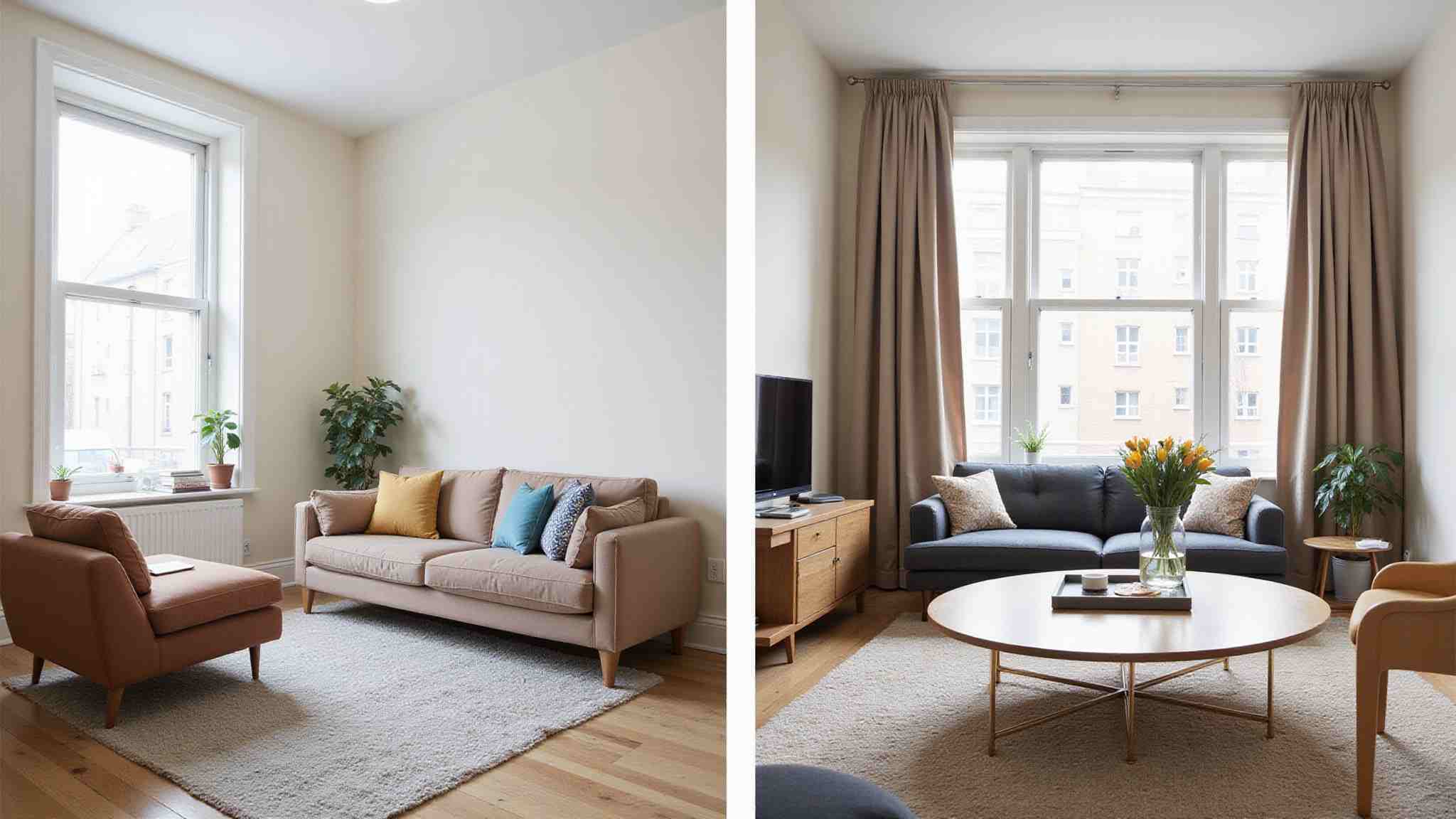
The core difference between an Oxford House and a sober living home comes down to who’s in charge. An Oxford House is peer-run, with no paid staff or professional manager. Instead, residents handle admissions, finances, and conflict resolution together, and new members join through a democratic vote. That means you’re accountable to your housemates, not an operator.
A sober living home works differently. Depending on the program, it can range from peer-run to fully staffed, often with a house manager overseeing curfews, chores, drug testing, and mandatory meetings. Here, the operator typically sets the rules and approves admissions. Comparing sober living and halfway houses reveals key differences in structure and purpose. While both aim to support individuals in recovery, sober living homes often provide a more flexible environment that encourages independence and personal responsibility.
How is each home governed and structured
Each home is governed either through democratic self-governance by residents or through structured oversight by an operator and paid staff. In an Oxford House, the residents themselves hold the authority. You’ll vote on new residents, manage finances, and resolve conflicts together, without any paid staff or professional manager guiding the house. This peer-driven model relies on accountability among equals, and because it’s financially self-supporting, the home only continues if you and your housemates cover the shared costs.
A structured sober living home works differently. Here, you’ll likely find a house manager, organization, or paid staff overseeing daily operations. The operator, rather than the residents, typically sets the rules, and staff may handle admissions, testing, and check-ins. If you’re seeking sober housing with more supervision, that structure can help. If you value autonomy and shared responsibility, Oxford House may suit you better. When looking for a sober living environment, there are several key factors to consider. It’s essential to understand what to look for in women’s sober living that aligns with your personal recovery goals and lifestyle preferences.
What does an Oxford House vs a sober living home cost

An Oxford House costs less than a staffed sober living home because you pay for housing alone rather than housing plus staffing. In an Oxford House, you split the actual housing expenses, typically rent and utilities, among residents, which keeps your monthly costs lower. Because there’s no paid staff, you won’t cover supervision, testing, or programming fees. Staffed sober living homes generally cost more, since your payment supports labor, monitoring, and structured services.
| Oxford House | Sober Living Home |
|---|---|
| Rent and utilities split | Higher monthly fees |
| No paid staff costs | Covers labor and oversight |
| Financially self-supporting | Includes testing, programming |
| Closes if costs unmet | Operator-managed budget |
If affordability matters most to you, Oxford House’s shared-expense model may be the more sustainable fit.
What are the rules and expectations in each
Each home enforces its rules differently, and that difference will shape your day-to-day experience. In an Oxford House, you and your housemates enforce the rules together through democratic accountability. You’ll vote on new residents, manage finances, and resolve conflicts as a group. One rule stays non-negotiable: relapse or substance use means immediate expulsion. There’s no paid staff watching over you. Peer accountability keeps everyone honest.
Structured sober living homes work differently. Here, an operator or house manager sets the rules, and you’ll likely face curfews, chore systems, mandatory meetings, and formal drug-testing protocols. Staff monitor your progress and provide oversight. If you’re early in recovery and need more supervision, that added structure can offer meaningful support. Sober living rules for Suboxone are often designed to help individuals maintain their recovery while managing their medication. Adhering to these rules can provide a framework for accountability and social interaction.
Who is the best fit for each option

The best fit depends on your recovery needs and personal circumstances. If you’re stable, self-disciplined, and value autonomy, Oxford House likely suits you. Its peer-governed, lower-cost model rewards people ready to manage admissions, finances, and accountability alongside others. If you’re in earlier recovery and need more oversight, a structured sober living home may serve you better.
Consider these factors when choosing:
- Supervision needs: Choose staffed homes for house managers, drug testing, and closer monitoring; pick Oxford House if peer accountability feels sufficient.
- Budget: Oxford House costs less because you split only rent and utilities.
- Timeline: Oxford House offers open-ended residency, while many sober living homes limit stays to 6 to 12 months.
Match the structure to your current stability.
How do you decide which recovery home is right for you
The right recovery home depends on an honest look at where you are in recovery. If you need more structure, consider a staffed sober living home offering curfews, drug testing, and professional oversight, support that often benefits early recovery. If you’re stable, self-disciplined, and value autonomy, Oxford House may suit you better with its peer governance and open-ended stay.
Choosing a recovery home starts with honesty: match the level of structure to where you truly are.
Think about your budget too. Oxford House typically costs less because residents split only rent and utilities, while staffed homes charge more for supervision and programming.
Also weigh accountability styles. Oxford House relies on democratic enforcement and immediate expulsion after relapse, whereas structured homes use staff monitoring.
Finally, remember the evidence: Oxford House shows improved sobriety, employment, and lower incarceration outcomes for the right resident.
Conclusion
Oxford Houses and sober living homes share the same goal of supporting sobriety, but they differ in structure. Oxford Houses are self-run, democratic, and peer-governed with no live-in staff, relying on residents to manage the home together, while sober living homes are often privately operated with house managers, more rules, and sometimes added services. Neither is better for everyone, since the right fit depends on how much structure and independence you need.
Find Affordable Sober Living That Works for You
Understanding sober living options and insurance coverage is easier with a team that walks you through every step. Through Hopeful Estates serving Wayne, NJ, we connect you with trusted sober living homes that provide the right Peer & Sober Support with clear pricing and welcoming environments. Call (201) 292-0185 today and take the first step toward lasting recovery.
Frequently Asked Questions
Can I Be Readmitted to an Oxford House After Relapsing?
You’ll likely face immediate expulsion after relapsing, since substance use triggers this core rule. However, that doesn’t mean you’re barred forever. Because residents vote democratically on admissions, you can apply to another house once you’ve regained stability and sobriety. Your peers will assess your readiness and commitment to abstinence. Focus on rebuilding your foundation, stay honest about your recovery, and you’ll have a genuine opportunity to return when you’re ready.
Does Insurance or Medicaid Cover Sober Living Home Costs?
In most cases, insurance and Medicaid do not directly pay for sober living home rent, since these homes are considered housing rather than medical treatment. However, insurance often does cover the clinical services many residents use alongside sober living, such as outpatient therapy, counseling, or medication-assisted treatment. Some states and programs offer scholarships, sliding-scale fees, or grants to help with housing costs. It is worth asking a specific home about payment options and checking your plan’s behavioral health benefits.
Are Oxford Houses and Sober Living Homes Available Nationwide?
Yes, both are widely available across the United States, though coverage varies by area. Oxford Houses operate as a large national network with homes in most states, while independent sober living homes are common in and around cities and treatment hubs. Availability, quality, and waitlists differ from place to place, so it helps to search locally, ask treatment providers for referrals, and visit before committing. Rural areas may have fewer options, but online directories and recovery organizations can help you find one near you.
Can Couples or Families Live Together in These Homes?
Usually not in the same room. Most sober living and Oxford House homes are single-gender and organized around individual residents, so couples typically cannot share a room, and children generally are not permitted. Some family-focused or specialized recovery residences do allow parents to live with their children or serve couples, but these are less common and often have waitlists. If living with a partner or your kids matters to you, ask each home directly about its policies, since rules vary widely.
What Happens if an Oxford House Closes Suddenly?
If your Oxford House closes suddenly, it’s usually because residents couldn’t cover the shared rent and utilities, since the model is financially self-supporting with no outside funding. You’d need to find new housing quickly, which can feel stressful during recovery. It helps to know that this risk comes from the low-cost, expense-sharing structure. You might explore other Oxford Houses or a staffed sober living home for more stability.