







Yes, you can be evicted from a sober living home. You might be discharged for relapse, refused drug testing, nonpayment of rent or program fees, or disruptive behavior like violence, threats, or harassment. Because many agreements treat your stay as program placement rather than a traditional lease, removal can happen quickly under written house rules. Still, you have rights and options worth knowing. Understanding how the process works can help you protect yourself.
Key Takeaways
- Yes, you can be evicted or discharged from a sober living home for violating house rules, safety concerns, or nonpayment.
- Substance use, refused drug testing, violence, threats, harassment, or property damage are top triggers for removal.
- Relapse doesn’t always lead to eviction, but zero-tolerance programs may remove residents immediately when drugs or alcohol enter the property.
- Removal timing depends on whether occupancy is treated as program placement (faster discharge) or tenant status (formal notice period).
- Residents retain rights to safety, privacy, respectful treatment, access to policies, and protection from retaliation for filing complaints.
Can you get evicted from a sober living home

Yes, you can be removed from a sober living home, and it happens more often than many residents expect. Living in a sober home offers structure and support during recovery, but it doesn’t make you immune from eviction. Homes may discharge you for rule violations, safety concerns, or missed rent and program fees. Many sober living agreements treat your occupancy as a program placement rather than a traditional lease, which can shape how removal unfolds. Depending on your agreement and local law, you may retain certain tenant rights that limit how quickly a home can act. Serious misconduct, like drug or alcohol use, violence, or illegal activity, typically triggers faster removal. Understanding your home’s written rules helps you know exactly where you stand. Starting life in sober living can be a transformative experience for many individuals. It offers a chance to develop new habits and build a support network that is crucial for long-term recovery.
What are the common reasons for eviction
The common reasons for eviction from sober living homes include substance use, disruptive behavior, nonpayment, and repeated rule-breaking. Substance use, including a relapse or a refused drug test, tops the list because it threatens the drug-free environment everyone depends on. Disruptive behavior such as violence, threats, harassment, or property damage can trigger immediate removal when safety’s at stake. Nonpayment and repeated rule-breaking round out the common grounds.
| Violation | Example | Typical Response |
|---|---|---|
| Substance use | Relapse, failed test | Immediate discharge |
| Disruptive behavior | Threats, violence | Immediate removal |
| Nonpayment | Missed program fees | Written notice |
| Rule violations | Curfew, missed meetings | Warning, then discharge |
Understanding these triggers helps you safeguard your placement.
Does relapse always lead to eviction
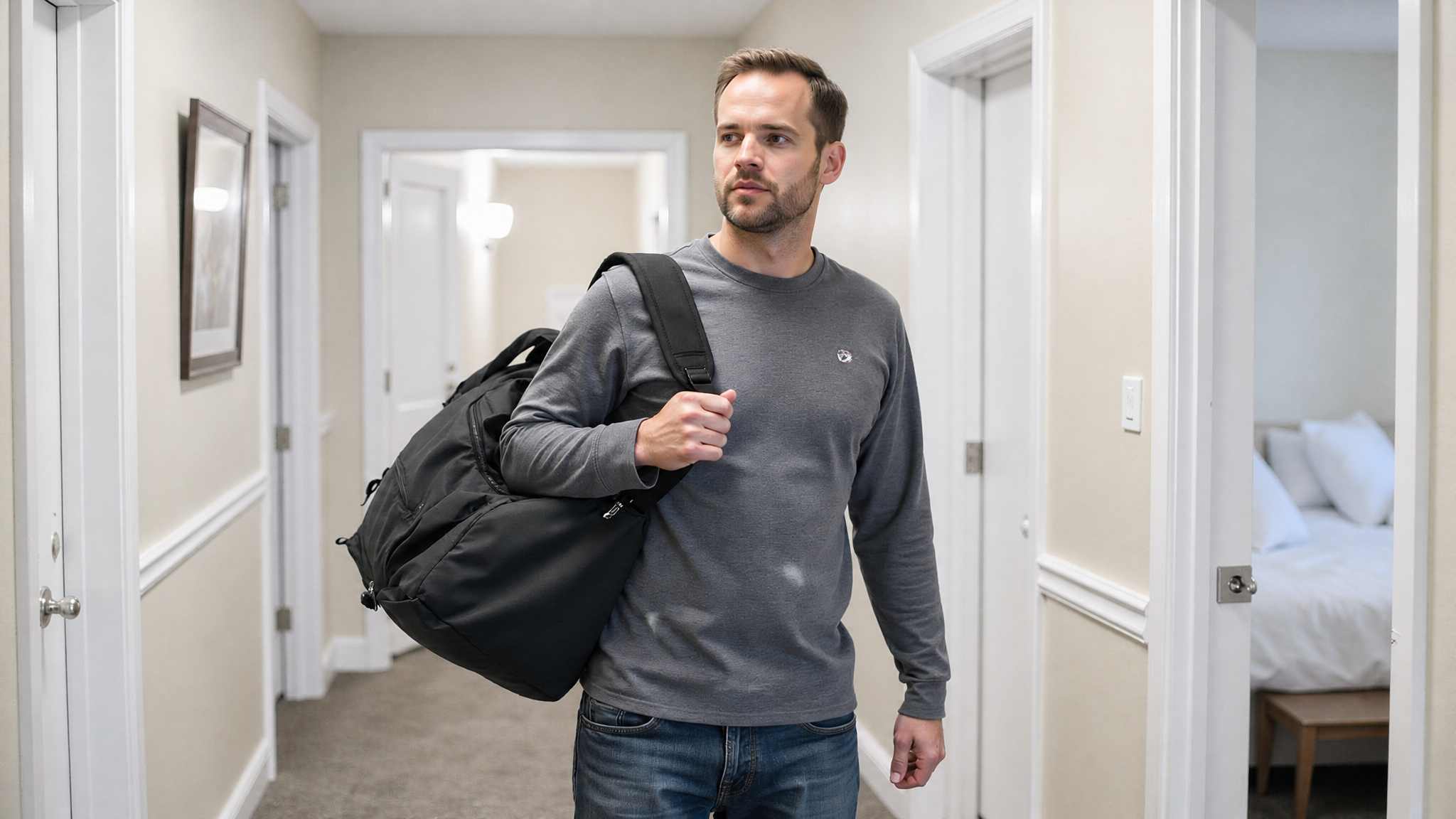
No, relapse doesn’t always lead to eviction, though it’s the most serious violation a sober living home tracks. How the home responds depends on its written rules, your history, and whether your conduct puts other residents at risk. Some programs treat a single lapse as a chance to intervene, adjusting your treatment plan or increasing your accountability rather than discharging you immediately. Others enforce zero-tolerance policies, especially when drugs or alcohol enter the property. If you refuse testing, endanger others, or relapse repeatedly, you’ll likely face immediate removal. Your agreement controls the outcome, so read it carefully. When safety isn’t threatened, many homes prefer support over eviction, but you shouldn’t assume that leniency applies to your situation.
What are your rights as a sober living resident
As a sober living resident, you have rights that don’t disappear just because you’re in recovery. You’re entitled to a safe, drug-free environment and respectful treatment from staff and fellow residents. You have privacy rights covering your personal, financial, and medical information. You should be informed of the house policies and discharge procedures that govern your stay. Depending on your state and your occupancy agreement, you may hold tenant protections, especially if you pay rent or control a private room. Some states require the home to help you find another placement when you need a different level of care. You can keep personal property that doesn’t pose a safety risk. And you can’t be retaliated against for asserting these rights or filing a complaint. Sober living homes often offer various support services, and whether sober living homes provide meals can significantly impact residents’ daily lives. Access to nutritious food can play a crucial role in recovery, promoting better health and well-being.
What is the eviction process and notice period

The eviction process and notice period depend heavily on how your occupancy agreement is structured and what your state’s law requires. If your agreement treats your stay as a program placement, the home may discharge you quickly under its written house rules. If you’re recognized as a tenant, you’re likely entitled to formal written notice and a defined notice period before removal.
Serious violations, like drug or alcohol use, violence, or threats, often trigger immediate removal, and safety concerns can override standard procedures. Less severe rule breaches usually require written notice and a chance to correct the behavior.
Check your contract and local law carefully. Some jurisdictions mandate notice even when house rules permit quick discharge, and court orders can change how the process unfolds.
What can you do if you are asked to leave
If you’re asked to leave a sober living home, you have options, and acting quickly matters. Start by reviewing your occupancy agreement and the written house rules to understand the stated grounds for your discharge. Ask for the reason in writing, along with any required notice. If you pay rent or control a private room, you may hold tenant rights that limit immediate removal, so consider consulting a local legal aid office or tenant attorney. Document everything, including dates, communications, and witnesses. Request help locating another placement if you need a different level of care, since some states require it. If you believe the discharge is retaliatory or violates local law, file a complaint with the appropriate state agency promptly.
How do you avoid getting evicted from sober living
To avoid getting evicted from sober living, follow your occupancy agreement and house rules consistently. Read them carefully. Stay sober, and don’t refuse required drug or alcohol testing, since substance use triggers immediate removal in most homes. Pay your rent, program fees, and participation charges on time. Respect curfews, complete your chores, and attend required meetings. Treat residents and staff with respect, avoiding threats, harassment, violence, or destructive behavior. Steer clear of illegal activity, theft, and property damage. If you’re struggling, talk to staff early, and ask for help before a small problem becomes grounds for discharge. Communication and accountability protect your placement.
Conclusion
Yes, you can be asked to leave a sober living home, most often for relapsing, breaking house rules, skipping payments, or disruptive or unsafe behavior. These policies are not meant to punish but to protect the sobriety and safety of everyone in the home. Knowing the rules and communicating openly with staff can help you stay in good standing, and some homes offer second chances or referrals if things go wrong.
Find the Right Sober Living Home Today
Choosing a sober living home is one of the most important steps in protecting your sobriety after treatment. Through Hopeful Estates serving Wyckoff, NJ, we connect you with trusted sober living homes that provide the right Peer & Sober Support with structure and welcoming community. Call (201) 292-0185 today and take the first step toward lasting recovery.
Frequently Asked Questions
Can You Get a Refund of Fees After Eviction?
Whether you’ll get a refund after eviction depends on your written agreement and local law. Many sober living contracts treat fees as nonrefundable, especially when you’re discharged for serious violations like substance use or violence. Still, some states require prorated refunds of prepaid rent or program fees. You should review your occupancy agreement carefully and check your state’s rules, since your right to a refund isn’t always guaranteed.
Does Eviction From Sober Living Show up on Your Record?
It depends. If your sober living placement is treated as a program rather than a traditional lease, your discharge often won’t appear on a public eviction record. But if the home files a formal court eviction, that filing can show up in tenant-screening reports and background checks. You’ll want to review your occupancy agreement and local law to understand whether your removal creates a record that future landlords might see.
Can You Return to the Same Sober Living Home Later?
Yes, you can often return to the same sober living home later, but it depends on why you left and the home’s policies. If you were discharged for serious misconduct like violence or drug use, readmission may be harder. Many homes will welcome you back if you’ve maintained sobriety, settled any unpaid fees, and show genuine commitment. You’ll typically need to reapply, and staff will review your history before approving your return.
Can Family Members Be Notified About Your Eviction?
Whether your family’s notified about your eviction usually depends on the privacy rights you hold and the consent you’ve given. You’ve often got protections covering your personal, financial, and medical information, so the home generally can’t share your discharge details without your permission. However, if you’ve signed a release or emergency contact authorization, staff may notify listed individuals. Check your written agreement and applicable state law to confirm exactly what’s disclosed.
What Happens to Your Belongings if You Are Evicted?
You typically keep your personal property, and most homes must let you retrieve belongings that don’t pose a safety risk. Depending on your agreement and state law, staff may store your items temporarily or set a deadline for pickup. If you’re removed immediately, you’re often allowed to collect essentials right away. Check your house rules, since they usually spell out how, when, and where you’ll recover what’s yours.