







You can usually stay in a sober living home as long as you follow the rules, maintain your sobriety, and keep up with payments. Most homes don’t set a strict maximum, though some limit stays from 30 days to two years. Peer-run models like Oxford House often allow open-ended residency. Research treats 90 days as a meaningful minimum, while six months or longer links to better outcomes. Several factors shape your actual timeline.
Key Takeaways
- Most sober living homes set no maximum length of stay, allowing residency as long as you follow rules and stay sober.
- Some programs impose time limits ranging from 30 to 180 days, or up to two years.
- Peer-run models like Oxford House allow open-ended stays, with residents often averaging around a year.
- Most residents stay between 3 and 12 months, with averages commonly falling between 5 and 8.5 months.
- Probation or parole requirements, house policies, and recovery progress can all affect how long you can stay.
How long can you stay in a sober living home

You can stay in a sober living home as long as you follow the residency rules and maintain your sobriety, since most homes don’t impose a standard maximum length of stay. Some programs set their own limits, ranging from 30 to 180 days or up to two years, but many peer-run models, like Oxford House, allow open-ended stays. The first day in sober living can be both exciting and daunting. It’s a major step towards a healthier life, and many people find comfort in the support of their peers.
Your actual length of stay depends on several factors: the home’s policies, your payment structure, and your recovery progress. Research consistently links longer stays with better outcomes, with 90 days often cited as a meaningful minimum. Realistically, you’ll likely stay somewhere between three and twelve months, depending on your individual readiness.
What is the average length of stay
The average length of stay commonly falls between 5 and 8.5 months across several reports, while one Oxford House study found residents averaged about a year. Peer-run models often show similar patterns, with averages near 10 to 12 months. Most residents stay somewhere between 3 and 12 months, though your timeline depends on your recovery progress, not a fixed schedule.
Practical factors shape these averages too. Your ability to keep up with rent, secure employment, and build housing readiness influences how long you remain. Effective discharge planning helps you leave when you’re genuinely stable rather than when a calendar says so. Since longer stays often correlate with better outcomes, staying at least six months may strengthen your recovery.
What factors affect how long you can stay

Several factors affect how long you can stay, including your recovery stability, practical readiness, house policies, and criminal justice requirements. Your recovery stability matters most. How steady your sobriety feels often determines when you’re ready to step into the next phase. Practical readiness plays a role too. Your employment, finances, and access to safe, stable housing frequently influence when leaving makes sense.
House policies also affect your stay. As long as you follow the rules, maintain sobriety, and participate in the community, many homes let you remain. Criminal justice requirements, like probation or parole, may impose a minimum stay you can’t shorten.
Ultimately, your individual recovery goals and support needs carry more weight than any universal timeline. The right length depends on where you are, not a fixed calendar.
Is there a minimum stay requirement
Most sober living homes don’t set a strict minimum stay, but research and provider guidance consistently point to 90 days as a meaningful baseline. This 90-day mark reflects findings that shorter stays often correlate with weaker recovery stability, while longer ones give you more time to rebuild routines and support networks. NIDA guidance cited in research emphasizes 3 months as a meaningful minimum in residential settings.
That said, “minimum” doesn’t always mean mandatory. Some programs recommend at least 3 to 6 months, while others let you stay as long as you follow house rules. In certain situations, though, external requirements like probation or parole may impose a minimum stay on you. Ultimately, your recovery progress and individual needs should guide how long you commit.
Can you extend your time in a sober living home
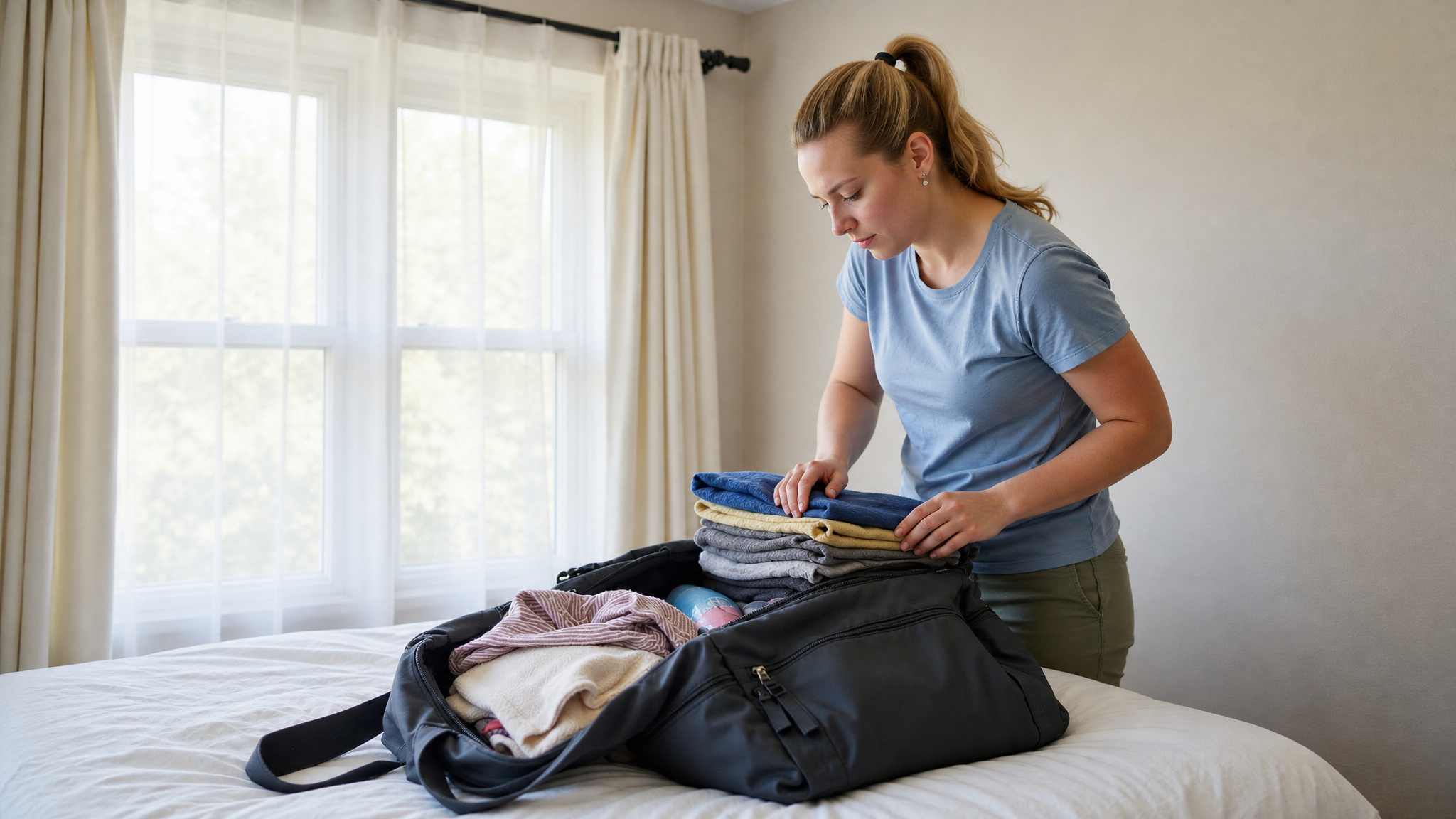
Yes, you can often extend your time in a sober living home well beyond any initial benchmark if you’re following house rules and staying sober. Most homes don’t set a fixed maximum, so your continued residence usually depends on compliance, participation, and payment rather than a preset discharge date. Many peer-run models, including Oxford House, allow you to stay a year or longer as long as you meet expectations. However, there are circumstances that can lead to a termination of your stay, and understanding the reasons for sober living eviction is crucial.
If you’re weighing an extension, consider your recovery stability, employment, finances, and housing readiness. Research consistently links longer stays with stronger outcomes, and staying at least six months is often associated with improved sobriety and functioning. Talk with your house manager about your goals. Extending your stay is frequently possible when it supports your long-term recovery.
How does length of stay compare across recovery stages
Length of stay increases as you move through recovery, from a 90-day minimum in early stabilization to 12 months or longer in sustained recovery. Matching your time in sober living to your current stage helps you build stability without leaving too soon. Early on, you’re stabilizing routines and reducing relapse risk, so a 90-day minimum gives you a meaningful foundation. As you gain traction, extending toward six months or longer strengthens your sobriety and functioning.
| Recovery Stage | Typical Stay |
|---|---|
| Early stabilization | 90 days minimum |
| Building routines | 3 to 6 months |
| Strengthening independence | 6 to 12 months |
| Sustained recovery | 12 months or longer |
Research links six-month-or-longer stays with better outcomes, so you shouldn’t rush your move forward. Let your recovery stability, housing readiness, and personal goals guide when you’re truly prepared to move forward.
How do you know you are ready to move out
You’re ready to move out when you can demonstrate stability across several areas of your life. You’ve likely built consistent sobriety, maintained employment or steady income, and developed a reliable support network you can lean on outside the house. You’re following house rules without resistance, managing daily routines independently, and handling stress without turning to substances.
Research helps here: staying at least six months is linked with better outcomes, and NIDA guidance treats three months as a meaningful minimum. If you’re meeting rent, rebuilding relationships, and confident in your relapse-prevention skills, you’re showing readiness.
Talk with your house manager or counselor. They can assess your progress objectively and help you time a transition that protects your recovery.
Conclusion
There is usually no strict limit on how long you can live in a sober living home, as long as you stay sober, follow the rules, and keep up with payments. Most people stay somewhere between three and twelve months, and research links longer stays to stronger long-term recovery. The right length is the one that leaves you feeling stable and ready to live independently.
Find the Right Sober Living Home Today
Choosing a sober living home is one of the most important steps in protecting your sobriety after treatment. Through Hopeful Estates serving Wyckoff, NJ, we connect you with trusted sober living homes that provide the right Peer & Sober Support with structure and welcoming community. Call (201) 292-0185 today and take the first step toward lasting recovery.
Frequently Asked Questions
Can You Be Kicked Out of a Sober Living Home?
Yes, you can be asked to leave a sober living home, typically when you break house rules. Most homes let you stay as long as you follow the guidelines, but violations like using substances, skipping required meetings, or missing payments can end your residency. Staying involves maintaining sobriety compliance and community participation. If you’re committed to recovery and respect the home’s structure, you’ll usually keep your place without issue.
What Happens if You Relapse While Living There?
If you relapse, the outcome depends on your home’s policies and your response. Some homes discharge you immediately, since sobriety compliance often determines continued residence. Others offer support, connecting you with treatment or a higher level of care before deciding. Your honesty and willingness to re-engage in recovery usually matter. Because relapse can threaten everyone’s stability, you’ll likely face consequences, but many programs prioritize getting you back on track safely.
Does Insurance Cover the Cost of Sober Living?
Insurance usually doesn’t cover sober living costs directly, since these homes provide housing and peer support rather than clinical treatment. You’ll typically pay out of pocket through monthly rent or program fees. However, some insurance plans may cover related clinical services you receive elsewhere, like outpatient therapy or medication management. It’s worth checking your specific policy and asking the home about payment structures, scholarships, or sliding-scale options that fit your budget.
Can You Leave a Sober Living Home Early Voluntarily?
Yes, you can leave a sober living home early and voluntarily, these programs typically don’t lock you into a fixed stay. That said, early departure is often linked with weaker recovery stability. Research suggests staying at least 90 days, and ideally six months or longer, supports stronger, more lasting outcomes. Before you go, it’s worth weighing your recovery progress, support network, and housing readiness to protect the gains you’ve made.
Are You Allowed to Have Visitors in Sober Living?
Yes, you’re usually allowed to have visitors, though most homes set clear guidelines to protect residents’ recovery. You’ll typically need to follow rules about visiting hours, approved guest lists, and designated common areas. Many homes require that visitors stay sober and respect house policies. These boundaries aren’t meant to isolate you, they’re designed to maintain a stable, supportive environment. Check your specific home’s policies, since expectations can vary between programs.