







Your first day in a sober living home starts with a warm welcome from the house manager. You’ll complete some paperwork, take a tour, and learn the house rules, including abstinence, curfew, and random drug testing. You’ll get your room assignment and complete a baseline test. Most importantly, you’ll meet fellow residents walking the same recovery path. It’s a manageable, supportive pace designed to help you feel safe. Here’s what each part really looks like.
Key Takeaways
- You’ll receive a warm welcome from the house manager, complete intake paperwork, and take a full property tour.
- House rules are reviewed, including total abstinence, random drug testing, curfew, and required attendance at house and recovery meetings.
- You’ll take a baseline drug and alcohol test to confirm you’re entering substance-free, with ongoing random testing explained.
- You’ll get a room assignment, typically shared with others in recovery, in a safe, homelike, substance-free space.
- You’ll meet the house manager and fellow residents, building peer connections and optionally attending your first house meeting.
What is the intake and check-in process on day one

The intake and check-in process on day one usually begins with a warm welcome from the house manager. You’ll complete some paperwork, then take a tour of the property so you know where everything is. During intake, the manager walks you through the house rules, curfew, meeting expectations, and accountability procedures, so nothing feels confusing later. You’ll also learn how the home handles relapse, rule violations, and safety concerns, not to intimidate you, but to keep everyone protected and supported.
Expect introductions to your fellow residents, too. This first day feels more structured than moving into a regular apartment because recovery housing emphasizes peer support and connection. It’s normal to feel nervous, but this orientation is designed to help you settle in confidently.
What house rules will you review when you arrive
You’ll review a set of house rules built around one core principle: total abstinence from alcohol and illicit drugs. During orientation, your house manager will explain how random drug and alcohol testing supports your accountability and everyone’s safety. You’ll learn about curfews, which may be earlier during your first 30 days, giving you time to adjust. Expect to hear about required attendance at house meetings and recovery meetings, since peer support strengthens your progress. The length of stay in sober living will vary based on individual progress and adherence to the house rules. Many residents find that longer stays contribute significantly to their ongoing recovery journey.
You’ll also go over chores, respect for shared spaces, and consistent behavior expected from day one. Your manager will clarify how the home handles rule violations and relapse, always prioritizing safety. These rules aren’t meant to restrict you, they’re designed to protect your recovery and help you thrive. Sober living eviction rules are essential to maintaining a supportive environment for everyone involved. Being aware of the consequences can motivate you to adhere to the established guidelines and ensure a positive living experience.
How is your room and drug test handled

Your house manager will show you to your room and help you settle in after your paperwork’s complete. Your room assignment usually places you with others in recovery, building that peer network from day one. It’s a shared, homelike space designed to feel safe and substance-free, not institutional. You will quickly learn the importance of shared sober living cleanliness as it fosters a positive atmosphere. Maintaining a tidy space contributes to your overall well-being and helps establish a sense of responsibility.
Expect a drug and alcohol test as part of intake. Here’s what typically happens:
- You’ll complete a baseline test to confirm you’re entering substance-free.
- Staff will explain how random testing works going forward.
- You’ll learn how results support accountability, not punishment.
- You’ll hear how the home handles any positive results.
This isn’t meant to feel intrusive. It’s there to protect your safety and everyone else’s, reinforcing the stable foundation your recovery deserves.
Who will you meet on your first day
On your first day, you’ll meet the house manager who guides your intake and answers your questions. This person walks you through the paperwork, explains the house rules, and shows you around the property. You’ll also meet your fellow residents, people who understand exactly what you’re going through because they’re walking the same path. These peers form the built-in support network that makes recovery housing so effective. Don’t feel pressured to share your whole story right away; simple introductions are enough. You might attend your first house meeting, where residents communicate openly, hold one another accountable, and welcome newcomers. Meeting these faces early helps you feel less alone and reminds you that you’re joining a supportive community. Meal service options in sober living can vary based on the facility, but many provide nutritious meals to support your recovery. These meals are designed to foster healthy eating habits and create a sense of normalcy.
What does a typical first-day schedule look like
A typical first-day schedule moves you through paperwork, orientation, rule review, and introductions at a pace designed to help you settle in without feeling overwhelmed. You’ll start by meeting the house manager and completing paperwork, then move through orientation, rule review, and introductions. Staff walk you through sign-in procedures, curfew, and expectations for time away from the home.
| Time | Activity | Purpose |
|---|---|---|
| Morning | Paperwork & intake | Establish accountability |
| Midday | Property tour & chores overview | Learn shared responsibilities |
| Afternoon | House rules & testing review | Reinforce safety |
| Evening | House meeting & introductions | Build peer support |
You’ll likely discuss rent, employment, and support meetings early on. Chores get assigned so you understand your role in shared spaces. This structure balances supervision with connection, giving you a stable, encouraging foundation for recovery.
How do you prepare for a smooth first day
Prepare for a smooth first day by taking care of a few essentials ahead of time. Preparing ahead of time makes your first day feel far less intimidating. You can walk in with confidence instead of anxiety, ready to focus on your recovery plan rather than scrambling to catch up.
A little preparation goes a long way. Take care of these essentials:
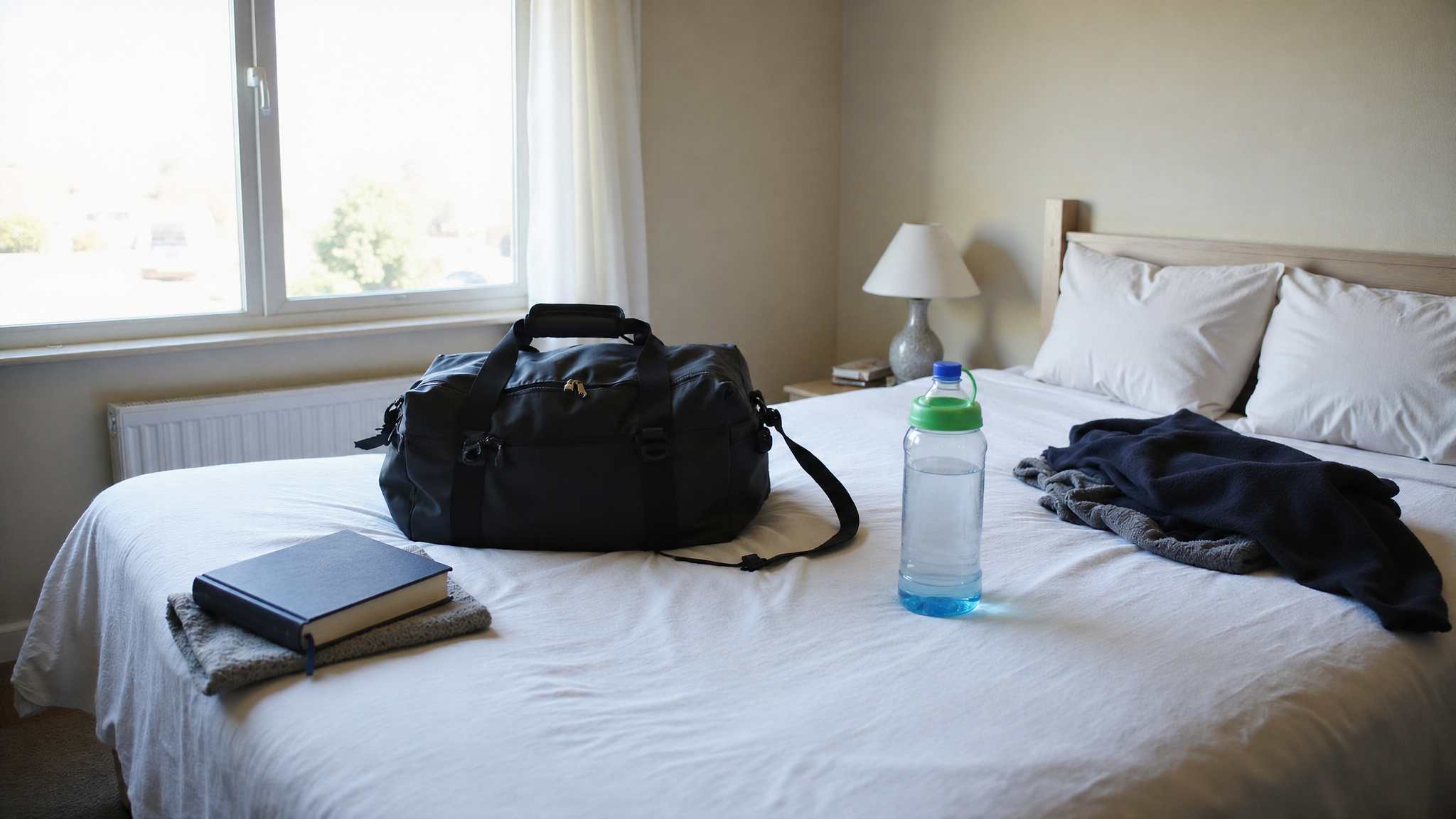
- Pack thoughtfully: Bring clothing, toiletries, and any prescribed medications, plus documents you’ll need for paperwork.
- Sort out finances: Have your rent and deposit ready so you can review financial responsibilities smoothly.
- Review the rules: Read the house expectations, curfews, and testing policies in advance.
- Set your mindset: Come open to peer support and honest participation.
You’ve already made a courageous choice. Preparation simply helps you settle in.
Conclusion
Your first day in a sober living home can feel like a mix of nerves and relief, but it is really the start of a fresh, supported chapter. Expect to settle in, meet housemates, learn the rules and routines, and begin building the structure that protects your recovery. It is normal to feel unsure at first, and giving yourself grace as you adjust makes all the difference.
Find the Right Sober Living Home Today
Choosing a sober living home is one of the most important steps in protecting your sobriety after treatment. Through Hopeful Estates serving Wyckoff, NJ, we connect you with trusted sober living homes that provide the right Peer & Sober Support with structure and welcoming community. Call (201) 292-0185 today and take the first step toward lasting recovery.
Frequently Asked Questions
Can I Bring My Own Furniture or Personal Belongings?
You can usually bring personal belongings that help you feel at home, since sober living is designed to feel homelike rather than institutional. Furniture policies vary by house, so it’s best to ask your house manager during intake. When you complete paperwork and property orientation, you’ll learn what’s allowed in shared and personal spaces. Bringing familiar comforts can ease your adjustment, and you’re always encouraged to check the specific rules first.
Are Visitors or Family Allowed During My First Week?
Visitor policies vary by home, so you’ll want to ask your house manager directly about your first week. Many residences focus that early time on adjustment, orientation, and learning the rules, which sometimes means limiting visitors at first. Don’t worry, this isn’t about isolating you. It’s about helping you settle in safely. As you build stability and trust, you’ll usually find more room for family connection and support along the way.
How Long Can I Stay in a Sober Living Home?
You can typically stay as long as you need to build a strong foundation for lasting recovery. Sober living homes work as a bridge between treatment and fully independent living, so there’s no rigid timeline that fits everyone. As long as you’re following the house rules, staying substance-free, and meeting your financial responsibilities, you’re welcome to remain. Take the time that supports your growth, your steady progress matters more than any deadline.
Can I Keep My Job or Start Working Immediately?
Yes, you can usually keep your job or start working right away. In fact, many sober living homes encourage employment, school, or job training as part of your recovery routine. During your first day, staff will likely review sign-in and sign-out procedures, curfews, and expectations for time away. They’ll also discuss rent and financial responsibilities early on. Working can strengthen your stability, so you’re not alone, your peers support you every step.
What Happens if I Relapse After Moving In?
If you relapse, you’ll face the home’s established procedures, which prioritize safety for everyone. During intake, staff explain exactly how they handle relapse, rule violations, and safety concerns, so you’ll know what to expect. Because these homes maintain substance-free environments, bringing substances inside can lead to discharge. That said, recovery isn’t always linear, and reaching out honestly to your peers and house manager gives you the best chance to get back on track.