







When you quit drinking, you will likely feel physical symptoms within hours to days. Expect headaches within 12 to 24 hours, plus nausea, shakiness, sweating, and loss of appetite. These often intensify and peak around 48 to 72 hours before easing. You might also notice insomnia, fatigue, and mild anxiety. For many people these symptoms are uncomfortable but temporary. For heavy or long-term drinkers, though, withdrawal can turn serious, so it is important to know what is normal and when to get medical help.
Key Takeaways
- Headaches typically begin within 12 to 24 hours of your last drink and often resolve within 5 to 7 days.
- Nausea, vomiting, shakiness, sweating, and loss of appetite are common and usually ease within 5 to 7 days.
- Most physical symptoms peak around 48 to 72 hours before gradually improving.
- Sleep disturbances like insomnia, vivid dreams, and broken sleep can persist, improving over 2 to 3 months.
- Seizures, or fever with confusion and agitation, are medical emergencies. Anyone with heavy or long-term use should detox under medical supervision.
A Note on Safety First
Most of what follows describes the normal, manageable side of stopping drinking. But alcohol withdrawal is not always mild. For people who have been drinking heavily or daily, it can escalate to seizures or delirium tremens, which can be life-threatening and sometimes appear without warning. If that describes you or someone you care about, do not detox alone. Talk to a doctor or a detox facility first, since a supervised detox is both safer and more comfortable.
Normal Physical Symptoms in Early Sobriety

Physical symptoms in early sobriety often appear within hours to days of your last drink. As your body recalibrates without alcohol, it signals that adjustment through a range of symptoms. You might get headaches within 12 to 24 hours, followed by shakiness, sweating, and nausea as withdrawal builds. Most symptoms peak around 48 to 72 hours before easing.
Common early symptoms include fatigue, insomnia, loss of appetite, and mild anxiety. You may feel drained even after a full night’s sleep, since alcohol disrupts your REM cycles. Digestive issues like nausea usually settle within 5 to 7 days. For many people these symptoms are uncomfortable but temporary. The important exception is severe withdrawal, which needs medical care.
Why Your Body Reacts Physically in Early Sobriety
Your body reacts physically because it adapted to alcohol’s constant presence. Over time your nervous system adjusted to alcohol’s depressant effects by working harder to stay balanced. When you quit, that overcompensation continues without alcohol to counteract it, leaving your system temporarily overactive. How the body recovers after addiction is a complex process that varies for each individual. Physiological and psychological adjustments take time, and the healing journey often involves not only physical recovery but also emotional growth.
This imbalance drives many of the symptoms you notice while getting sober. Your brain chemistry, sleep cycles, and digestion all need time to recalibrate, which is why shakiness, sweating, fatigue, and disrupted sleep are common in the first days and weeks. For most people these reactions are temporary and ease as the body finds its balance again. In heavier drinkers, though, that same overactivity is what can drive dangerous symptoms like seizures, which is why medical supervision matters.
What Are the Most Common Physical Symptoms
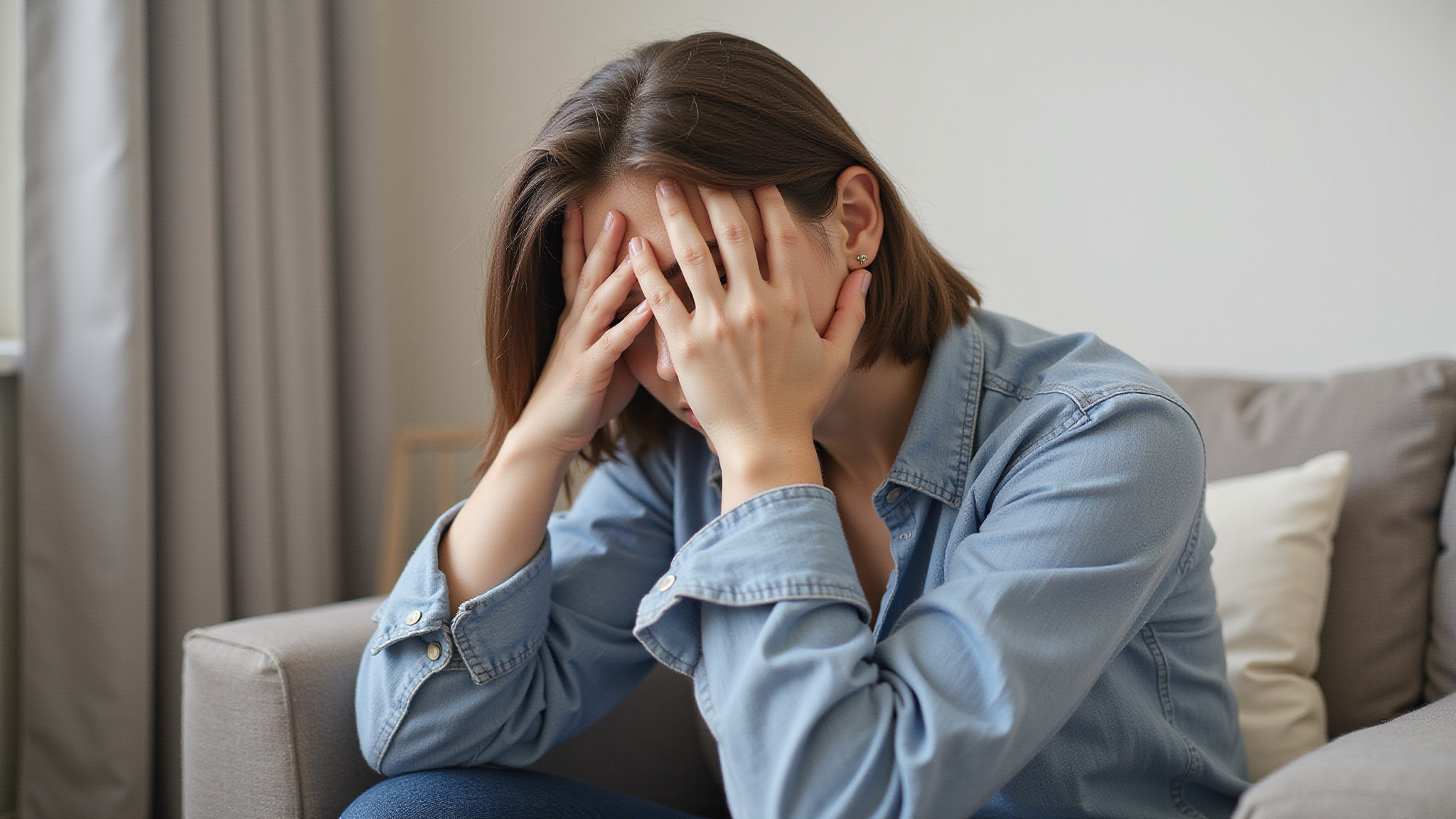
The most common physical symptoms include headaches within 12 to 24 hours, nausea, shakiness, sweating, loss of appetite, and vomiting. Your digestive system may feel unsettled as it adjusts, and you might feel jumpy or clammy, especially around the 48 to 72 hour mark when symptoms tend to peak.
Sleep disturbances hit hard early on, including insomnia, vivid dreams, and broken sleep. Fatigue often follows, leaving you drained even after a full night’s rest. You may also notice mental fog and trouble concentrating. For most people these ease within about a week, but a return to heavy symptoms, confusion, or a seizure is not part of the normal course and needs immediate attention.
How Long Do Physical Symptoms Last
Physical symptoms typically appear within hours of your last drink, peak around 48 to 72 hours, and then gradually fade. Headaches often start within 12 to 24 hours, while nausea and other digestive issues usually resolve within 5 to 7 days.
| Symptom | Onset | Resolution |
|---|---|---|
| Headaches | 12 to 24 hours | 5 to 7 days |
| Nausea/Vomiting | Hours to days | 5 to 7 days |
| Digestive Issues | Hours to days | Weeks 2 to 4 |
| Sleep Problems | First few days | 2 to 3 months |
Fatigue can linger longest, peaking during your first 30 to 60 days before fading. Sleep quality usually improves noticeably within 2 to 3 months as deep sleep returns. These timelines describe uncomplicated withdrawal, and severe cases follow a different, more urgent path that requires medical care.
How to Relieve Physical Symptoms in Early Sobriety

You can ease physical symptoms in early sobriety by prioritizing rest, hydration, gentle movement, bland foods, and medical support when symptoms are severe. For sleep, keep a consistent schedule and limit stimulants, since quality usually returns within two to three months as deep sleep restores. For fatigue, rest and gentle movement help, since exhaustion often peaks in the first 30 to 60 days before fading. Engaging in exercise in addiction recovery can significantly enhance both physical and mental health. Regular physical activity releases endorphins, which can improve mood and reduce cravings.
If you have nausea or appetite loss, eat small, bland meals and stay hydrated. Digestion usually improves between weeks two and four. For shakiness, sweating, and headaches, rest, replace fluids, and monitor how you feel. Because seizures can occur within 24 to 48 hours in people with heavy dependence, anyone in that situation should detox under medical supervision rather than managing symptoms alone. How long paws lasts can vary based on individual circumstances and the severity of dependence. It’s important to monitor any symptoms closely and consult with a healthcare provider as needed.
When Physical Symptoms Are a Cause for Concern
Physical symptoms are a cause for concern when they become severe, escalate quickly, or include warning signs like seizures, fever, confusion, or agitation. Watch the timing and severity closely. Most symptoms like headaches, nausea, and shakiness peak around 48 to 72 hours and then fade. But seizures can occur within 24 to 48 hours in severe dependence, and that is an emergency that needs immediate care. Fever with confusion and agitation can signal delirium tremens, a severe and potentially fatal form of withdrawal, not routine adjustment.
Tremors and mild anxiety usually come first, before symptoms intensify, and clammy skin can appear around a day and a half after quitting. These are often manageable, but escalating symptoms should never be ignored. Seizures and delirium tremens can appear even in people who seemed to be handling withdrawal well, so when in doubt, seek professional evaluation right away. If someone has a seizure, becomes severely confused, or spikes a high fever, call emergency services.
Conclusion
For most people, the physical symptoms of early sobriety follow a predictable arc: they build over the first day or two, peak around 48 to 72 hours, and ease within a week, with sleep and energy taking a couple of months to fully settle. Knowing that pattern makes it less frightening and easier to ride out. The key exception is severe withdrawal. If you have been drinking heavily or daily, withdrawal can become dangerous, so a supervised detox is the safest way through. This is general information, not medical advice, so talk with a healthcare provider about your situation before stopping.
Call Today and Get Personal Recovery Guidance
Your body and mind go through real changes in early sobriety, and having a coach beside you makes it easier to stay the course. Through Hopeful Estates serving Ringwood, NJ, we connect you with trusted sober living homes that provide the right recovery coaching to help you stay the course. Call (201) 292-0185 today for a free, confidential conversation.
Frequently Asked Questions
Is it safe to quit drinking on my own at home?
For light or occasional drinkers, usually yes. For anyone who drinks heavily or every day, quitting suddenly on your own can be dangerous. Alcohol withdrawal can escalate to seizures or delirium tremens, which can be life-threatening and can strike even in people who seemed to be coping. If you drink daily, have withdrawn before, or have other health conditions, talk to a doctor or detox facility before stopping. A supervised detox is safer and more comfortable.
How do I tell normal withdrawal from a medical emergency?
Normal early withdrawal looks like headaches, nausea, shakiness, sweating, and trouble sleeping that peak around day two or three and then ease. Emergency signs are different: a seizure, severe confusion or disorientation, hallucinations, a high fever, or a racing heart. If any of those appear, call emergency services. When symptoms are getting worse instead of better after the 72-hour mark, that is also a reason to get evaluated rather than wait it out.
Will medication help me get through withdrawal?
Often, yes, in a supervised setting. Doctors commonly use medications like benzodiazepines to prevent seizures and ease symptoms, along with thiamine (vitamin B1) and fluids. These are prescribed and monitored, not something to arrange on your own. If your withdrawal is likely to be moderate or severe, a medical detox can make it far safer and more bearable than trying to push through unassisted.
Why can’t I sleep even though I’m exhausted?
Sleep trouble is one of the most common and stubborn parts of early sobriety. Alcohol suppresses and distorts sleep, so when you stop, your brain has to relearn a normal sleep cycle, which takes time. Insomnia, vivid dreams, and broken sleep are typical in the first weeks, and deep, restful sleep usually returns over two to three months. A consistent schedule, limiting caffeine, and daytime movement all help it come back faster.
Does everyone get withdrawal symptoms when they stop drinking?
No. How much you feel depends on how much and how long you drank. Light or infrequent drinkers may notice little beyond a rough day or two, while heavy, long-term drinkers are far more likely to have significant, and potentially dangerous, withdrawal. There is no way to predict your exact experience in advance, which is part of why medical guidance is wise if you have been drinking heavily.