

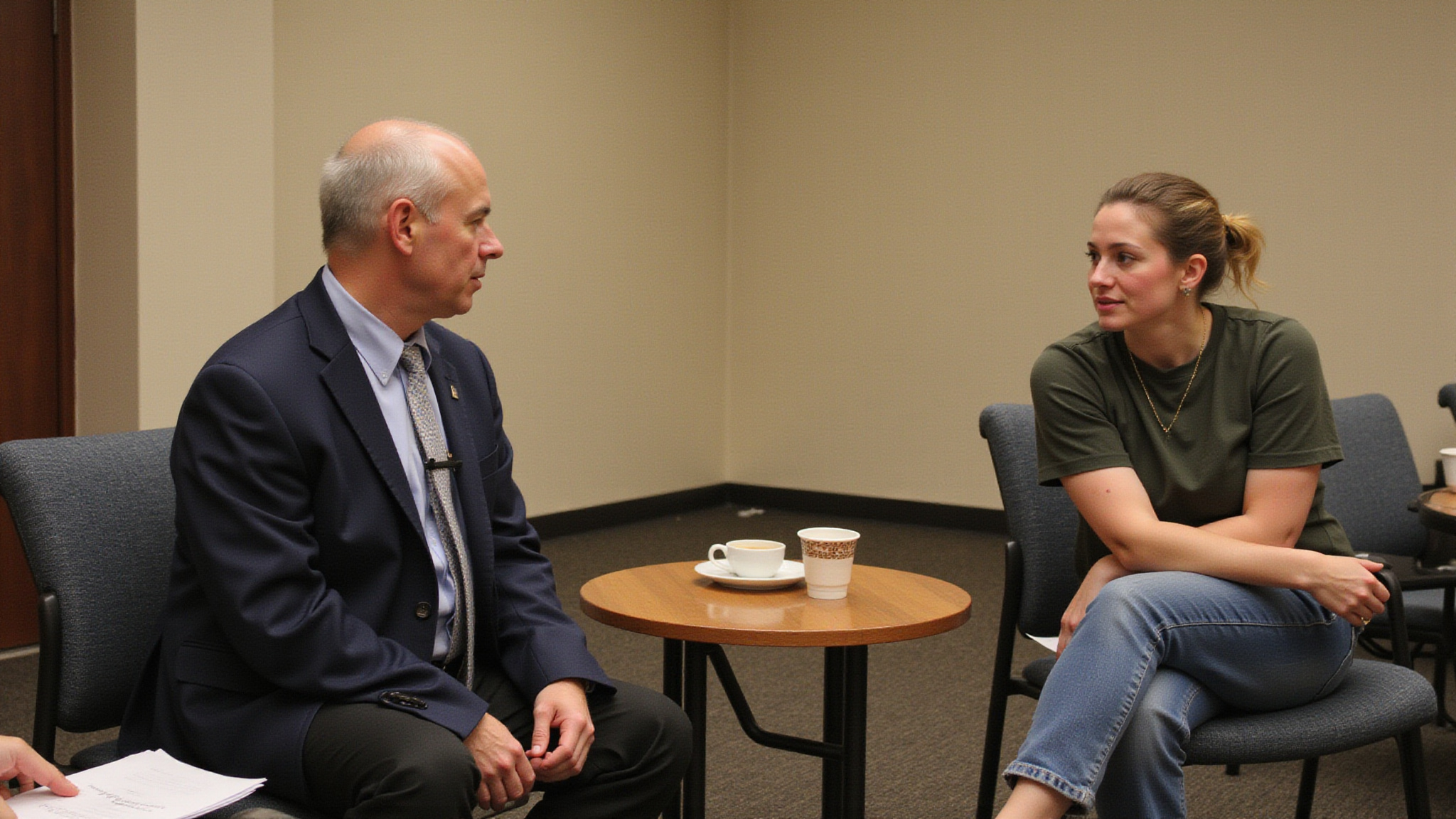





Once you are in recovery, helping others can strengthen your own sobriety. Service work gives you structure, accountability, and renewed purpose. Sponsoring someone, sharing your story, or driving people to meetings reduces isolation and shifts your focus outward, which lowers relapse triggers. Approach loved ones with compassion, listen without judgment, and set clear boundaries so your own recovery stays protected first. Staying connected after sober living is crucial for maintaining long-term recovery. Engaging with support groups or staying in touch with friends made during rehab can provide a valuable sense of community.
Key Takeaways
- Helping others in recovery provides structure, accountability, and purpose while reducing isolation and relapse triggers.
- Become a sponsor or peer support specialist after you have maintained steady sobriety and completed your own recovery program.
- Offer practical support by driving people to meetings or therapy and volunteering on a regular schedule.
- Share your recovery story to reduce stigma, build connection, and offer hope to those still struggling.
- Support loved ones with compassion and regular check-ins, but protect your sobriety by holding firm boundaries.
Life After Recovery: Helping Others in Addiction

Helping others in addiction strengthens your own recovery by giving you purpose, accountability, and connection. Supporting someone else reinforces the reasons you got sober in the first place, and it keeps those reasons in front of you day to day.
Sponsoring is a practical starting point. As a sponsor in a group like AA or NA, you add structure to your week and fill your schedule with something that matters. You can also volunteer once or twice a month, drive people to meetings, or share your story to cut through the stigma around addiction.
These actions keep your own motivation steady. By lifting others up, you build a foundation that keeps you grounded.
Why Does Helping Others Strengthen Your Own Recovery?
Helping others strengthens your own recovery by giving you structure, accountability, connection, and renewed purpose. Service work fills your schedule, keeps you accountable, and reminds you why sobriety matters. Sponsoring someone or sharing your story shifts your focus outward, which reduces the isolation that often leads to relapse.
| Service Activity | What You Give | What You Gain |
|---|---|---|
| Sponsoring | Guidance, time | Structure, accountability |
| Sharing stories | Vulnerability, hope | Reduced shame, connection |
| Offering transport | Access to treatment | Sense of contribution |
| Volunteering monthly | Consistent presence | Renewed motivation |
Each interaction strengthens your resolve. Helping others is not separate from your healing. It is part of it.
What Are the Ways to Help Others Struggling With Addiction?

You can help others struggling with addiction by offering practical support, listening without judgment, and sharing recovery resources. Acting as a sponsor in a group like AA or NA gives both of you structure. Driving someone to a meeting or a therapy session removes a real barrier to treatment. Volunteering once or twice a month keeps you involved without overextending you. Sharing your own recovery story educates people and chips away at the stigma around addiction, and a regular check-in reminds someone that they matter. Each of these keeps you connected to your own recovery at the same time.
How Can You Become a Sponsor or Peer Support Specialist?
You become a sponsor or peer support specialist by building a solid foundation in your own recovery first, then gaining experience supporting others through groups or programs. Most groups suggest waiting until you have real, steady sobriety behind you before you take on a sponsee, because you are guiding someone through ground you have already walked.
To move forward, consider these steps:
- Maintain steady sobriety and complete your own recovery program before guiding others.
- Volunteer regularly with a group like AA or NA to build experience.
- Share your recovery story to educate others and reduce stigma around addiction.
- Remove barriers by offering rides to meetings or therapy sessions.
Peer support specialist roles are more formal and usually require state certification, which typically includes training hours and a set amount of documented recovery time. Your state’s certification board lists the current requirements.
How Do You Support a Loved One Facing Addiction?

Support a loved one facing addiction with compassion, consistency, and practical help. Addiction is a chronic disease, not a moral failing, and holding that view replaces blame with steadiness. Schedule regular check-ins and listen without judgment. Spend time together in substance-free settings to rebuild trust. Life after addiction recovery is a crucial phase that requires ongoing support and understanding. Empower your loved one by encouraging positive activities and new hobbies that foster a sense of purpose.
You can remove practical barriers by offering rides to meetings or therapy, which makes treatment easier to reach. Encourage a group like AA or NA, where peer support does a lot of the work. Family therapy can help you address the patterns at home and improve how the household functions together.
Recovery is a long-term process, so a quick fix is not the goal. Your patient, consistent presence is what becomes a foundation for lasting change.
How Do You Help Others Without Risking Your Own Recovery?
You help others without risking your own recovery by protecting your own foundation first. Giving back reinforces your sobriety, but overextending yourself creates relapse risk. Set clear boundaries and keep the routines that hold you steady.
Protect your recovery while supporting others with these steps:
- Keep self-care non-negotiable, including regular exercise, decent nutrition, and enough sleep.
- Stay connected to your therapist and a group like AA or NA.
- Limit your commitment, volunteering once or twice a month rather than daily.
- Know your limits, and seek professional counseling when supporting others surfaces your own triggers.
Recovery needs ongoing attention, so your own wellbeing has to stay the foundation of any help you give. Feeling empty after getting sober can be a common challenge for many individuals. It is important to recognize these feelings and seek support while staying focused on personal growth.
How Do You Find Opportunities to Help Others in Addiction?
Find opportunities to help others by starting with the groups you already attend. Volunteering as a sponsor in AA or NA gives you structure while directly supporting someone earlier in their journey. If sponsorship feels like too much right now, commit to volunteering once or twice a month, which is enough to keep you involved.
You can also remove barriers for others by offering rides to meetings or therapy. Sharing your recovery story educates people and reduces stigma. Look within your community too, since advocacy work and outreach programs often need volunteers. Helping others is not only generous. It reinforces the foundation of your own sobriety.
Conclusion
Life after recovery gets steadier when you turn your experience into support for someone else. Sponsoring, sharing your story, driving people to meetings, and standing beside a loved one all give you structure and purpose, and they keep you connected to the reasons you got sober. The one rule that holds it together is simple: protect your own foundation first, then help from a place of strength.
Find Sober Living Support in New Jersey
Long-term sobriety is built one steady day at a time, and the right environment can make all the difference. Through Hopeful Estates serving West Milford, NJ, our team helps you connect with vetted Sober Living Homes and the support that keeps recovery on track. Call (201) 292-0185 today for a free, confidential conversation.
Frequently Asked Questions
How long should I be sober before sponsoring someone?
Most people wait until they have completed the 12 steps and have steady, continuous sobriety before taking on a sponsee, and a common guideline in AA and NA is around one year. The point is that you should have already worked through the process you would be guiding someone else through. If you are unsure whether you are ready, ask your own sponsor for an honest read.
Can helping someone else in recovery actually put my own sobriety at risk?
It can if you overextend yourself or take on more emotional weight than you can carry. Absorbing someone else’s crises, skipping your own meetings to be available for theirs, or tying your stability to their progress all raise your risk. Keep your own routines first, limit how much you take on, and step back when helping starts surfacing your own triggers.
What is the difference between supporting a loved one and enabling them?
Support encourages recovery, while enabling shields someone from the consequences of their use. Driving someone to a meeting, paying for therapy directly, or listening without judgment is support. Giving cash that funds use, covering for missed obligations, or repeatedly rescuing them from consequences is enabling, even when it comes from love.
Do I need a certification to become a peer support specialist?
Yes, working as a paid peer support specialist usually requires state certification, which is separate from informally sponsoring someone. Certification typically involves training hours, an exam, and a documented amount of your own recovery time, and the exact rules vary by state. Check your state’s certification board or behavioral health agency for current requirements.
How do I help a loved one who refuses treatment?
You cannot force an adult into treatment unless they are an immediate danger to themselves or others, but you can keep the door open and stop enabling. Set clear boundaries, follow through on them, and let them know you are ready to help the moment they choose recovery. Staying calm and available often matters more than any single conversation.