

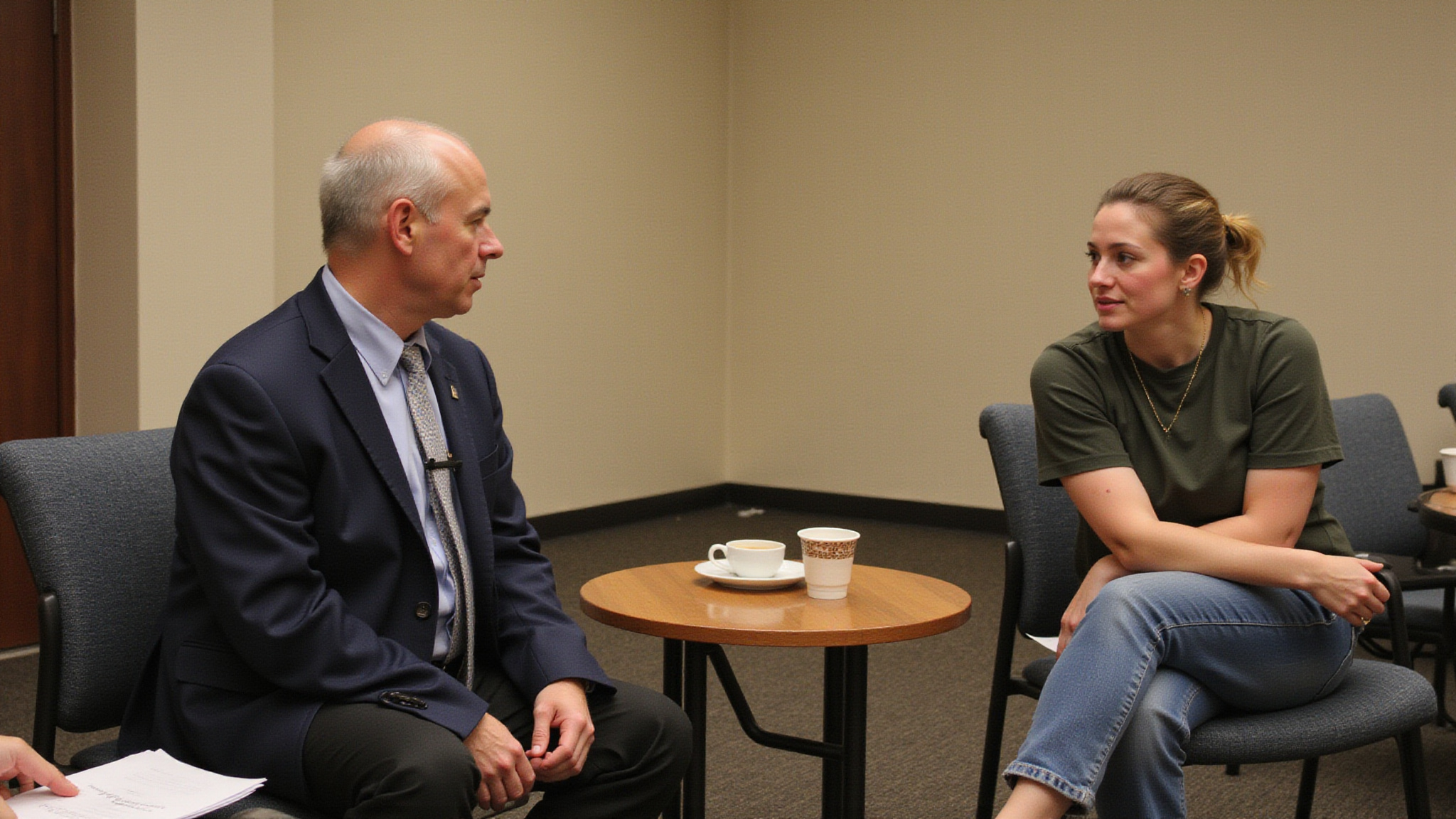


Your home group is one specific meeting you commit to, an anchor in the recovery community. It is where people learn your name, notice when you are gone, and help you catch a relapse before it starts. Often a smaller, close-knit circle working the steps together, it is where you find a sponsor, trusted guidance, and a community that replaces isolation. Choosing the right one matters, and getting involved matters even more. Different addiction support group types can provide varying levels of structure and community. Some may focus on specific substances, while others are more generalized, catering to a wider array of struggles.
Key Takeaways
- A home group is one specific meeting you designate as your recovery home base and anchor within the AA community.
- Regular attendance means people learn your name and notice your absences, which can help catch a relapse earlier.
- Home groups provide accountability, connection, and access to a sponsor, replacing isolation with a community that understands.
- Members take on service roles like coffee prep, setup, and greeting, which keep them visible and accountable.
- Choosing a home group means visiting a few meetings, listening, and returning to the one where honesty comes easily.
Home Groups in AA and Why They Matter

Home groups matter because they give you one specific meeting to claim as your own, where you are known, expected, and held accountable for showing up. Choosing one can change how recovery feels, especially when the sheer number of meetings is overwhelming and it is tempting to drift between them without ever settling in.
Think of it as your anchor within the wider Fellowship. You can attend all kinds of AA meetings, but your home group is where you take on service responsibilities, build lasting friendships, and often find a sponsor. Sizes vary widely, from a handful of people to well over a hundred, though many home groups are small enough that members get to know one another well while working the steps together.
What Is an AA Home Group
An AA home group is the meeting you designate as your official group, the one you commit to attending regularly and treat as your home base in recovery. It is the place within the Fellowship where you are known, expected, and welcomed each week.
Home groups vary in size, but many are small enough that you become a familiar face quickly. You show up regularly, usually weekly, and share your experience, strength, and hope with people who understand where you have been. It tends to become the strongest bond you form in AA, giving your recovery structure, accountability, and a place to belong.
Why Having a Home Group Matters in Recovery
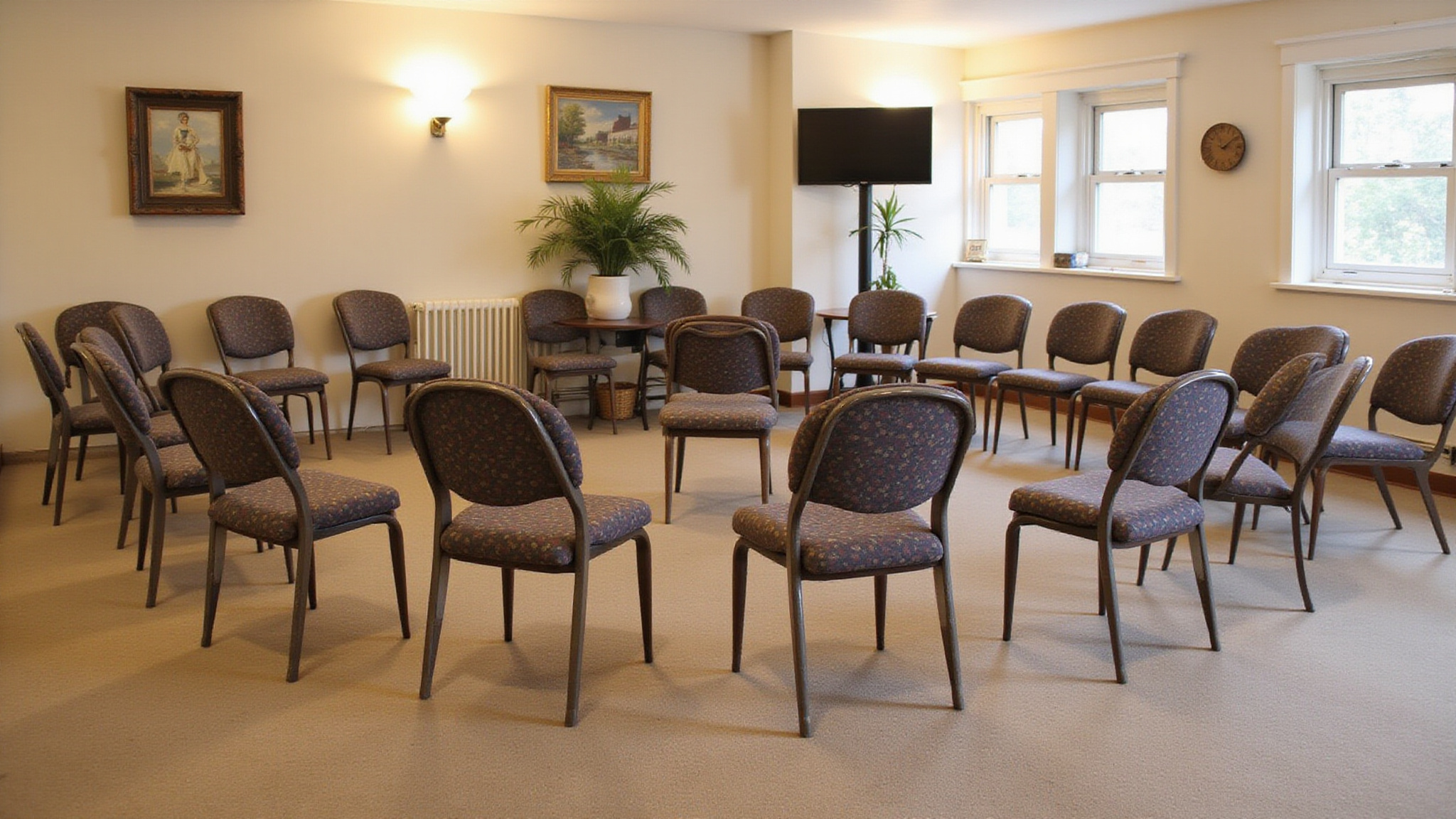
A home group matters because it gives you something isolation never could: people who notice when you are missing. When you show up week after week, others come to know you, your story, your struggles, your progress. They expect you, and when you do not appear, they wonder why. That kind of attention can catch a relapse before it takes hold.
You will also often find a sponsor here, along with friends who understand what you are facing. Service commitments give you a reason to keep showing up and stay accountable, and you get honest feedback on how you are handling temptation. A home group turns recovery from a solo effort into a shared one. Sober without a support group can feel isolating and overwhelming. Many individuals discover that they thrive when surrounded by others who are on a similar journey.
What Are the Benefits of Joining an AA Home Group
Joining an AA home group offers practical support, accountability, and connection that make sobriety more manageable. When you show up regularly, people learn your name, notice your absences, and help hold you accountable in ways that can catch a relapse early. How often you need AA or NA meetings can vary based on individual needs and circumstances. It’s important to assess your own situation and find a schedule that provides the right level of support.
- Accountability: peers expect you to show up and want you to succeed.
- A sponsor: the relationships you form here often lead to guidance you can trust.
- Service roles: tasks like coffee prep and greeting keep you visible and connected.
- A voice: your vote counts on group matters, giving you a real stake.
You are no longer isolated. You have a community that understands what you are going through.
What Responsibilities Come With an AA Home Group
An AA home group comes with responsibilities like attending regularly, taking on a service role, and voting on group matters. These tasks may seem small, but they keep you accountable and connected.
| Responsibility | What It Looks Like |
|---|---|
| Service roles | Coffee, setup, greeting, literature |
| Voting rights | One vote on group and AA-wide issues |
Beyond the practical duties, you are expected to keep making progress in your recovery and stay present for others who need your experience. You learn to put principles before personalities, honor your commitments even on hard days, and keep coming back. That consistency is where real growth tends to happen.
How to Choose the Right AA Home Group
Choose the right home group by finding one where you feel comfortable enough to be honest. You will know when you have found it, because you can share sensitive thoughts without holding back and you actually want to return week after week. Try a few groups before committing. Sit in, listen, and notice how you feel.
- Location and timing that fit your schedule, so you will attend consistently.
- The people, and whether you connect with members or see a potential sponsor.
- The format, since some groups focus on specific topics or recovery needs.
- The atmosphere, and whether it feels welcoming enough for real honesty.
The right group tends to feel like a place you want to come back to.
How to Get Involved in Your AA Home Group
Get involved in your home group by showing up regularly and saying yes to service. Start small: volunteer to make coffee, greet newcomers, set up the room, or handle literature. These tasks may seem minor, but they anchor you to the group and give you a reason to keep coming back.
As you settle in, use your vote on group matters. Your voice counts, and taking part in decisions deepens your sense of belonging. Over time, you might take on a broader service role like general service representative, which connects you to the wider AA structure. You do not have to wait until you feel ready. Share honestly when you can, ask for a sponsor, and let the group become your recovery home.
Conclusion
A home group is one of the simplest, most effective ways to make recovery stick. It turns a sea of anonymous meetings into one place where you are known and expected, where a missed week gets noticed, and where a sponsor and real friendships tend to grow. Picking one is not complicated: try a few, stay where honesty comes easily, and get involved rather than just attending. That sense of belonging is often what carries people through the hard stretches.
Call Today and Discover Recovery Support That Fits
Recovery communities look different for everyone, and finding the right fit can strengthen your long-term sobriety. Through Hopeful Estates serving Haskell, NJ, we help you connect with sober living homes that provide the right peer and sober support options that match your values and needs. Call (201) 292-0185 today.
Frequently Asked Questions
How do I actually join a home group?
It is simpler than most people expect. There is no application or formal process. You pick the meeting you want as your home group, tell the secretary you would like to become a member, and your name is added to the group’s list. From there you can vote on group matters, take on service commitments, and take part in the business meetings. Showing up regularly is what makes it real.
Can I have more than one home group, or change the one I have?
You can change your home group any time, and many people do as their schedule or needs shift. Traditionally you hold one home group at a time, since your one vote in group matters is meant to be voiced through it. Nothing stops you from attending as many other meetings as you like, but the single home group is where you carry membership and a vote.
Do I have to take a service commitment or hold a role?
Service is strongly encouraged but not forced. Many groups suggest starting with something small like making coffee or greeting people, because those simple jobs build accountability and connection. Roles with more responsibility, like handling group funds, usually have a minimum sobriety requirement. You can ease in at whatever level fits where you are, and no one will pressure you into a role you are not ready for.
Does my sponsor have to be from my home group?
No. A home group is a common place to find a sponsor because you get to know people over time, but your sponsor can come from any meeting. Some people choose a sponsor from a different group entirely. What matters is finding someone whose recovery you respect and who is willing to work with you, not which meeting they call home.
Do NA and online meetings have home groups too?
Yes. The home group idea is not unique to in-person AA. Narcotics Anonymous uses the same concept, and many online meetings function as home groups with members, service roles, and business meetings. If you rely on virtual meetings for access or scheduling, you can still claim an online group as your home base and get the same sense of belonging and accountability.