

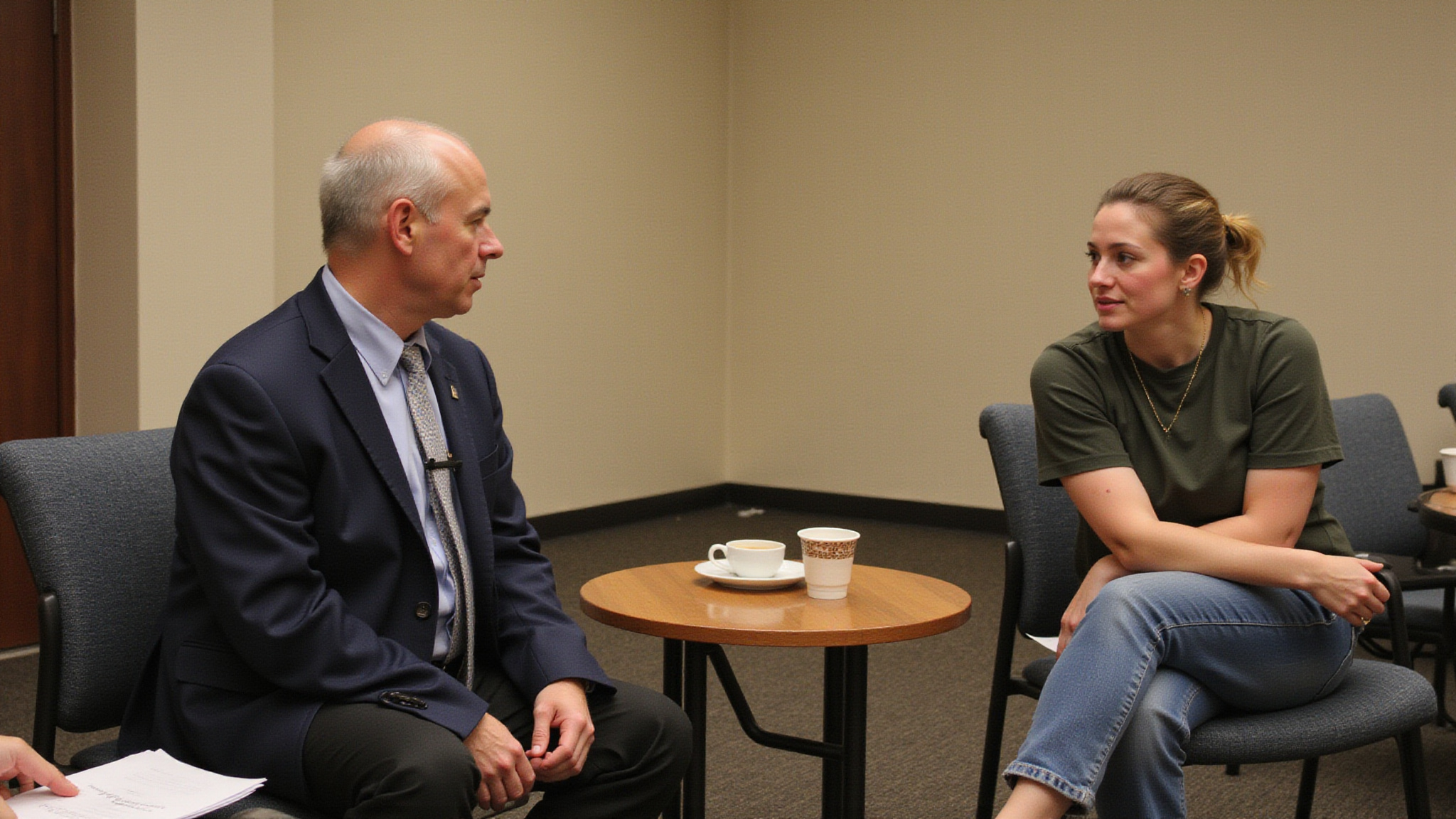




Being sober means you have stopped using substances. Being in recovery means you are actively healing the emotional, psychological, and social roots of addiction. Sobriety is a measurable state with a start date, focused on abstinence. Recovery is an ongoing process of growth that addresses why the addiction developed and rebuilds a fuller life. You can be sober without being in recovery, but lasting change usually comes from doing both.
Key Takeaways
- Sobriety is the measurable state of abstaining from substances, while recovery is the ongoing process of holistic healing.
- Sobriety focuses on stopping use, while recovery addresses the emotional, psychological, and social roots of addiction.
- You can be sober without being in recovery, sometimes called being a “dry drunk,” when old patterns persist.
- Recovery builds coping skills, self-awareness, and support systems that make long-term change more sustainable.
- Sobriety is often the first step, and recovery is the deeper work that helps it last.
How Being Sober Differs From Being in Recovery

Being sober means abstaining from substances, while being in recovery means actively healing the deeper causes of addiction. Sobriety is a state you can measure. It has a start date, and it can be confirmed or interrupted. Recovery is a process. The Substance Abuse and Mental Health Services Administration defines it as a process of change through which people improve their health and wellness, live self-directed lives, and work toward their full potential.
That difference matters. Someone can be months without a drink and still be isolated, anxious, or stuck in the same patterns that fueled their use. They are sober, but not necessarily in recovery. Sobriety removes the substance. Recovery rebuilds the life around it, which is usually what makes the change last.
What Does It Mean to Be Sober
Being sober means you have stopped using drugs or alcohol and are abstaining from substances. It is a measurable state with a clear starting point, whether that is one day, one month, or several years. Sobriety can be confirmed through observation or testing, and it can be interrupted by a return to use. When to stop counting sober days is a personal decision that can vary for each individual. Many people find that maintaining a sense of achievement is important during their recovery journey.
Sobriety is a genuine achievement and an essential first step. Getting through withdrawal and staying abstinent takes real effort, and physical health often improves quickly once substances are gone. But sobriety on its own focuses on the behavior of not using. It does not automatically address the reasons a person turned to substances in the first place, which is why it can feel fragile without deeper work behind it.
What Does It Mean to Be in Recovery

Being in recovery means actively working to heal the emotional, psychological, and social roots of addiction while building a more fulfilling life. It goes beyond not using. Recovery involves understanding why the addiction developed and doing the work to change those underlying patterns.
In practice, recovery often includes therapy to process trauma or mental health challenges, support groups for connection and accountability, and new coping skills that replace substances as a way of handling stress. It also means rebuilding relationships, finding purpose, and developing self-awareness. Recovery is ongoing rather than a finish line, and it is what turns abstinence into a durable, meaningful change.
Can You Be Sober Without Being in Recovery
Yes, you can be sober without being in recovery, and this is more common than many people realize. A person can abstain from substances while still carrying the same resentment, anxiety, dishonesty, or emotional instability that marked their active addiction. In recovery communities, this is sometimes called being a “dry drunk,” physically sober but still stuck in the old mindset.
This state tends to be fragile. Without addressing the underlying causes, cravings and stress can build with no healthy outlet, which raises the risk of relapse. Sobriety without recovery can feel like white-knuckling through life rather than actually feeling better. That is not a criticism of anyone in that position, it is a signal that the deeper work of recovery may be the missing piece.
Why the Difference Between Sobriety and Recovery Matters

The difference matters because it shapes how sustainable your change actually is. When sobriety is the only goal, progress gets measured purely by days abstinent, which can leave the deeper struggles unaddressed. When recovery is the goal, you build the tools that make sobriety hold up under pressure.
| Sobriety | Recovery |
|---|---|
| A measurable state | An ongoing process |
| Focuses on abstaining | Focuses on healing |
| Removes the substance | Rebuilds the life |
| Can feel fragile alone | Builds lasting resilience |
Understanding this helps you set the right goals. Sobriety is the foundation, and recovery is the structure you build on top of it. Aiming for both gives you the best chance at a change that lasts.
How to Move From Sobriety Into Recovery
You move from sobriety into recovery by building on abstinence with the deeper work of healing and growth. Staying sober comes first, but lasting change grows from what you add next. Start by addressing the underlying causes of your substance use, often through therapy that helps you process trauma, mental health challenges, or old patterns.
- Connect with support groups or a recovery community for accountability and belonging.
- Develop healthy coping skills that replace substances for handling stress.
- Work on repairing relationships and rebuilding trust over time.
- Find purpose through goals, work, or activities that make sober life meaningful.
- Build self-awareness so you can recognize triggers and old thought patterns early.
You do not have to do all of it at once. Each step you add turns abstinence into a fuller, steadier recovery.
Conclusion
Sobriety and recovery are not the same thing, and understanding the difference changes what you aim for. Sobriety is the essential first step, putting the substance down and staying abstinent. Recovery is the deeper, ongoing work of healing the reasons it took hold and building a life you do not want to escape from. You can be sober without being in recovery, but for most people, it is the recovery part that makes sobriety last. If you are sober and still struggling, that is not failure. It may simply mean the next stage of the work is waiting for you.
Find Sober Living Support in New Jersey
Lasting recovery is built on a stable foundation, and the right environment and support make all the difference. Through Hopeful Estates serving West Milford, NJ, our team helps you connect with vetted sober living homes and the support that carries recovery beyond abstinence. Call (201) 292-0185 today for a free, confidential conversation.
Frequently Asked Questions
What is a “dry drunk,” and how do I know if that’s me?
A “dry drunk” is someone who has stopped drinking or using but still carries the mindset of active addiction, things like resentment, irritability, dishonesty, or emotional instability. If you are sober but feel just as miserable, angry, or stuck as you did while using, that pattern may be what is happening. It is not a moral failing or a sign you are doing recovery wrong. It usually means the underlying issues have not been addressed yet, which is exactly what the deeper work of recovery is for.
Can I be in recovery if I’m not completely abstinent?
This depends on your framework, and the field is not unanimous. Traditional abstinence-based programs define recovery around not using at all. Harm-reduction and medication-based approaches take a broader view, focusing on improved health, functioning, and quality of life even if use is reduced rather than eliminated. What most definitions share is that recovery is about the overall trajectory of your life, not just a single behavior. It is worth defining what recovery means for you with a counselor who knows your situation.
Am I “in recovery” forever, or do you ever become “recovered”?
People use both terms, and the choice often reflects their philosophy. Many in 12-step communities say “in recovery” to signal that it is a lifelong, ongoing process rather than a finished state. Others, especially further out, describe themselves as “recovered” or simply as someone who used to have a problem and no longer does. Neither is wrong. What matters more than the label is that you keep doing what keeps you well, whatever you call it.
Can I be in recovery while taking medication like Suboxone or naltrexone?
Yes. Medication for addiction, such as buprenorphine, methadone, or naltrexone, is an evidence-based, legitimate part of recovery for many people, not a substitute for it. This approach is called medication-assisted treatment, and research supports it as effective care. Some communities still carry stigma around it, but taking prescribed medication to manage a chronic condition does not make your recovery any less real. It is a clinical decision best made with a qualified provider.
How do I tell whether I’m just sober or actually in recovery right now?
A useful gut check: sobriety is about what you have stopped, while recovery is about what you are building. If your energy goes entirely into not using, and life still feels empty, tense, or joyless, you may be sober without being in recovery yet. If you are also addressing why you used, growing, connecting with others, and finding some meaning, you are likely in recovery. Most people move along this spectrum over time, and noticing where you are is useful information, not a verdict.