







Going back to school while working and in recovery is one of the bravest goals you can set for yourself, and you can absolutely do it. Research shows that adults with a clear goal and strong support system persist longer and finish stronger. Start by protecting your triggers, rest, and coping routines, then explore financial aid early. Choose flexible formats that fit your life. Keep going to discover how to make it all work.
Key Takeaways
- Confirm readiness by ensuring you have consistent coping strategies, reliable stress management, and a dependable support network before enrolling.
- Choose flexible formats like online, hybrid, or evening classes that fit around your job and recovery routines.
- Explore funding early through financial aid, scholarships, employer tuition assistance, and monthly budgeting to prevent surprises.
- Protect your well-being by building a weekly routine that safeguards rest, triggers, counseling, and peer support.
- Leverage Collegiate Recovery Programs for peer groups, counseling, and workshops that provide a safe haven during studies.
Going back to school as an adult in recovery

Returning to school as an adult in recovery means taking on two meaningful commitments at once, and that’s worth acknowledging. You’re balancing your recovery with the demands of adult education, and both deserve your energy and respect. The good news? Research shows that adults with a clear goal and strong support system persist longer and finish stronger.
Start by getting practical. Explore financial aid early, since tuition and living costs remain real barriers for most returning learners. Then build a recovery schedule that protects your triggers, rest, and coping routines while you study.
You don’t have to choose between your education and your well-being. With flexible course formats, peer support, and intentional planning, you can pursue both, and succeed at both.
Why is going back to school valuable in recovery
Going back to school gives your recovery something powerful: a clear, motivating goal. When you’re working toward a GED or a college credential, you build structure into your days, and that structure supports stability. A clear personal goal improves your motivation, giving you a reason to stay focused when challenges arise.
Education also expands your support network. As you connect with professors, advisers, and classmates, you reduce isolation and strengthen the accountability that keeps recovery on track. Each completed assignment reinforces your sense of progress and self-worth.
You’re not just earning a credential, you’re proving to yourself that you can set a goal and follow through. That momentum carries into every part of your recovery, building resilience one step at a time. Job protection during rehab can offer individuals the peace of mind they need to focus on their recovery. By ensuring that employment remains a viable option, it encourages a smoother transition back to the workforce.
When are you ready to return to school in recovery
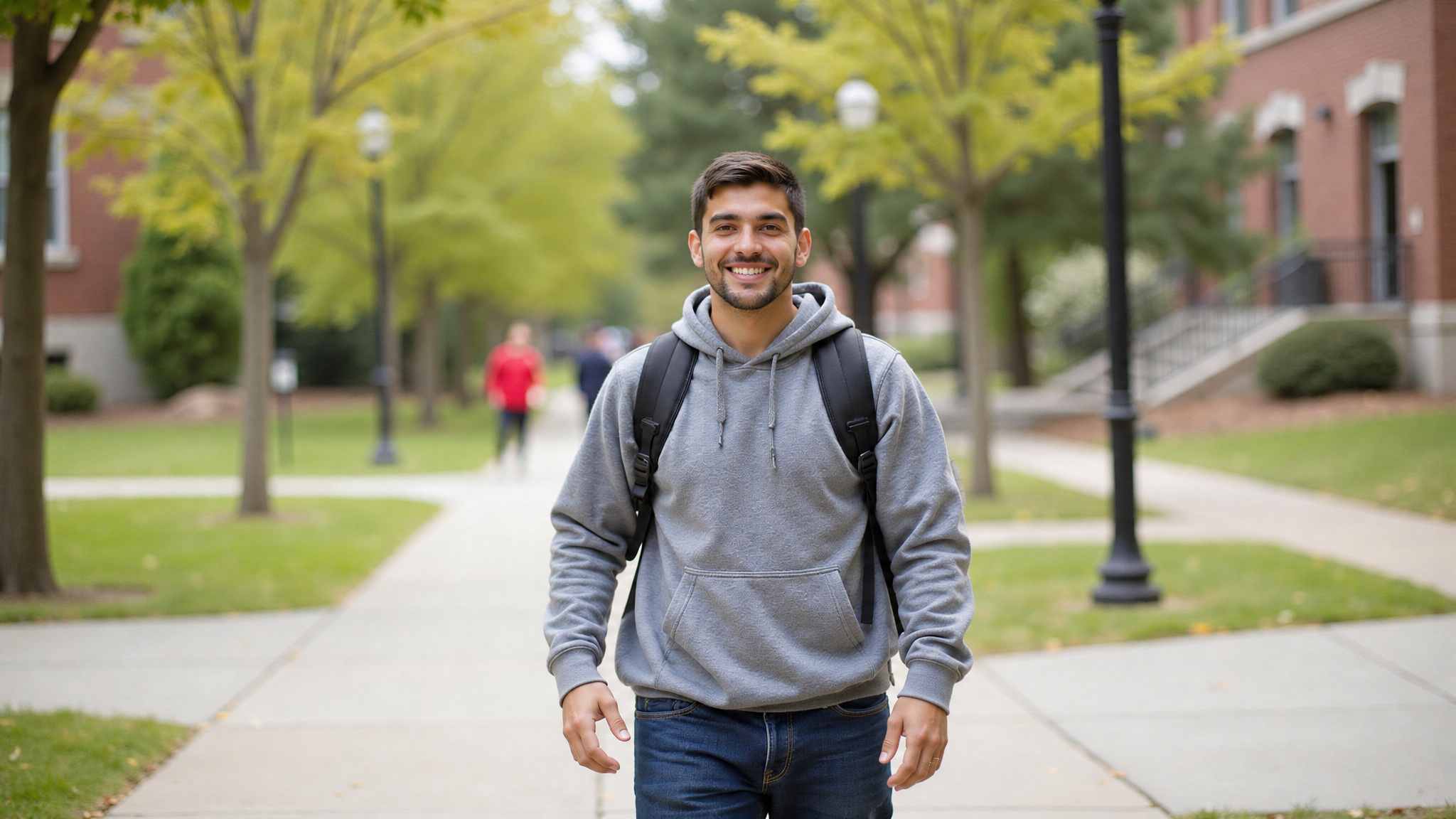
You’re ready to return to school in recovery when you feel steady enough to take on the added demands of coursework, deadlines, and study time. Readiness often shows up as consistent coping strategies, reliable stress management, and a support network you can lean on when pressures rise. Ask yourself whether you’ve built healthy routines and whether you can name the people, professors, or advisers who’ll back you up. Telling your employer about recovery can be a crucial step in maintaining a supportive work environment. It allows for transparency and can foster understanding if you need to manage your workload differently.
Consider your triggers too. Since burnout risk climbs when school, work, family, and recovery overlap, you’ll benefit from a realistic schedule and intentional self-care already in place. A clear personal goal helps as well, strengthening your motivation. When your foundation feels solid, you’re likely ready to move forward with confidence.
How do you choose the right program or school
Choose the right program by matching a school’s structure to your real life. Look for flexible formats, such as online, hybrid, or evening classes, that fit around your job and recovery routine. Rolling admissions and clear degree maps help you start sooner and waste fewer credits, and generous transfer policies can shorten your path.
Beyond logistics, check whether the campus offers recovery-specific support. Collegiate Recovery Programs provide peer groups, counseling, and workshops that act as safe havens while you study. That support is linked with stronger persistence, so it’s worth prioritizing. Many students find that adhering to court-ordered sober living requirements enhances their focus on academics. These guidelines can also foster a sense of accountability and community, essential for maintaining sobriety.
Also weigh cost carefully. Compare tuition, ask about financial aid, and see whether your employer offers tuition help. When a program aligns with your schedule, budget, and recovery needs, you’re far more likely to finish.
How do you pay for school as an adult in recovery

You pay for school as an adult in recovery by combining financial aid, employer tuition help, scholarships, and careful budgeting. Tuition and living costs remain real obstacles, but you have more options than you might think. Start by completing financial aid applications, then explore whether your employer offers tuition help. Some do, even if it’s not widespread. Combining several smaller sources often covers more than chasing one big award.
| Funding Source | What to Know |
|---|---|
| Financial Aid | Apply early; grants don’t require repayment |
| Employer Tuition Help | Ask HR, benefits vary by company |
| Scholarships | Search for adult-learner and recovery-focused awards |
| Budget Planning | Map costs monthly to avoid surprises |
Build a realistic budget, and you’ll protect both your finances and your recovery.
How do you balance coursework with your recovery
You balance coursework with recovery by building a realistic weekly routine that blocks time for study, work, and recovery activities. Something has to give when school and recovery compete for your time, but it shouldn’t be your well-being. Don’t treat meetings, counseling, or peer-support groups as optional. They’re what keep you steady when deadlines pile up.
Watch for burnout, which climbs when school, work, family, and recovery demands overlap. Schedule intentional rest and mental health breaks, and lean on your triggers plan and coping strategies during high-stress weeks.
Stay connected. Regular contact with professors, advisers, and classmates reduces isolation and catches small problems early. If your campus offers a Collegiate Recovery Program, use it. Peer and staff support strengthen accountability while you pursue your goals.
What support resources help students in recovery succeed
Collegiate Recovery Programs help students in recovery succeed by giving you a safe haven where peers and staff understand exactly what you’re managing. These programs pair academic goals with your social, emotional, spiritual, and physical well-being, so you’re supported as a whole person.
Look for resources like:
- Peer-support groups where you’ll find accountability and connection with others who get it
- Counseling and assessments that help you manage triggers, stress, and co-occurring mental health needs
- Recovery-focused workshops offering harm-reduction education and healthy coping strategies
Lean on professors, advisers, family, and classmates too. When you build this network intentionally, small setbacks stay small, and you keep moving forward.
Conclusion
Going back to school while working and staying in recovery is ambitious and deeply rewarding, but it calls for balance and support. Managing your time, protecting your sobriety, leaning on your support network, and being honest about your limits all help you succeed without burning out. Setbacks may come, and that is okay, since growth rarely follows a straight line. If you are juggling school, work, and recovery, Hopeful Estates in West Milford, NJ connects you with recovery coaches who can help you balance it all and keep your sobriety strong.
Balance School, Work, and Recovery With Expert Support
Returning to school while working and maintaining sobriety takes structure, planning, and reliable guidance every step of the way. Through Hopeful Estates serving Riverdale, NJ, we connect you with trusted sober living homes who provide the right Recovery Coaching and compassionate support for balancing life’s demands. Call (201) 292-0185 today and take the first step toward lasting sobriety.
Frequently Asked Questions
Should I Disclose My Recovery Status to Professors or Classmates?
Disclosure is entirely your choice, and you don’t owe anyone your story. If sharing helps you access flexibility, support, or accommodations, telling a trusted professor or advisor can prevent small problems from growing. You might start with campus recovery staff or counseling, where confidentiality’s protected. With classmates, share only what feels safe and useful. Strong support networks improve resilience, so choose people who’ll encourage your goals and respect your privacy.
Can I Attend School During Early Recovery, or Should I Wait Longer?
You can attend school during early recovery, but it’s worth planning carefully first. Consider your stability, triggers, and support systems before enrolling. If you’re feeling grounded, a flexible schedule and campus recovery program can actually strengthen your momentum. If you’re still stabilizing, starting part-time or waiting a semester isn’t failure, it’s smart self-care. Trust your recovery plan, lean on peers and counselors, and choose the timing that protects your wellbeing.
What Happens if I Relapse During a Semester?
If you relapse during a semester, you’re not doomed, it’s a setback, not the end. Reach out immediately to your recovery support, counselor, or collegiate recovery program so you don’t isolate. Contact your instructors early; many offer flexibility when you communicate before small problems grow. Lean on peer support to rebuild accountability and stability. Prioritize your health, adjust your schedule if needed, and remember that recovery and academic goals can coexist.
Are There Scholarships Specifically for Students in Addiction Recovery?
Yes, recovery-specific scholarships do exist, and they’re worth pursuing. Many Collegiate Recovery Programs offer dedicated funding or can connect you with recovery-focused financial support. Start by contacting your campus recovery program, since they often know about opportunities you won’t find elsewhere. Don’t stop there, pair those searches with general financial aid, because tuition remains a real barrier. You’ve got support available, and asking your advisor is a smart, proactive first step.
How Do I Handle College Social Events Involving Alcohol?
You’ve got options, and you’re allowed to protect your recovery. Plan ahead: bring a sober friend, keep a non-alcoholic drink in hand, and prepare an exit strategy if things feel triggering. Lean on your Collegiate Recovery Program’s peer support for sober events and accountability. It’s okay to skip gatherings that risk your stability. Prioritizing your well-being isn’t antisocial, it’s smart. Your coping strategies and support network will keep you grounded through it.