

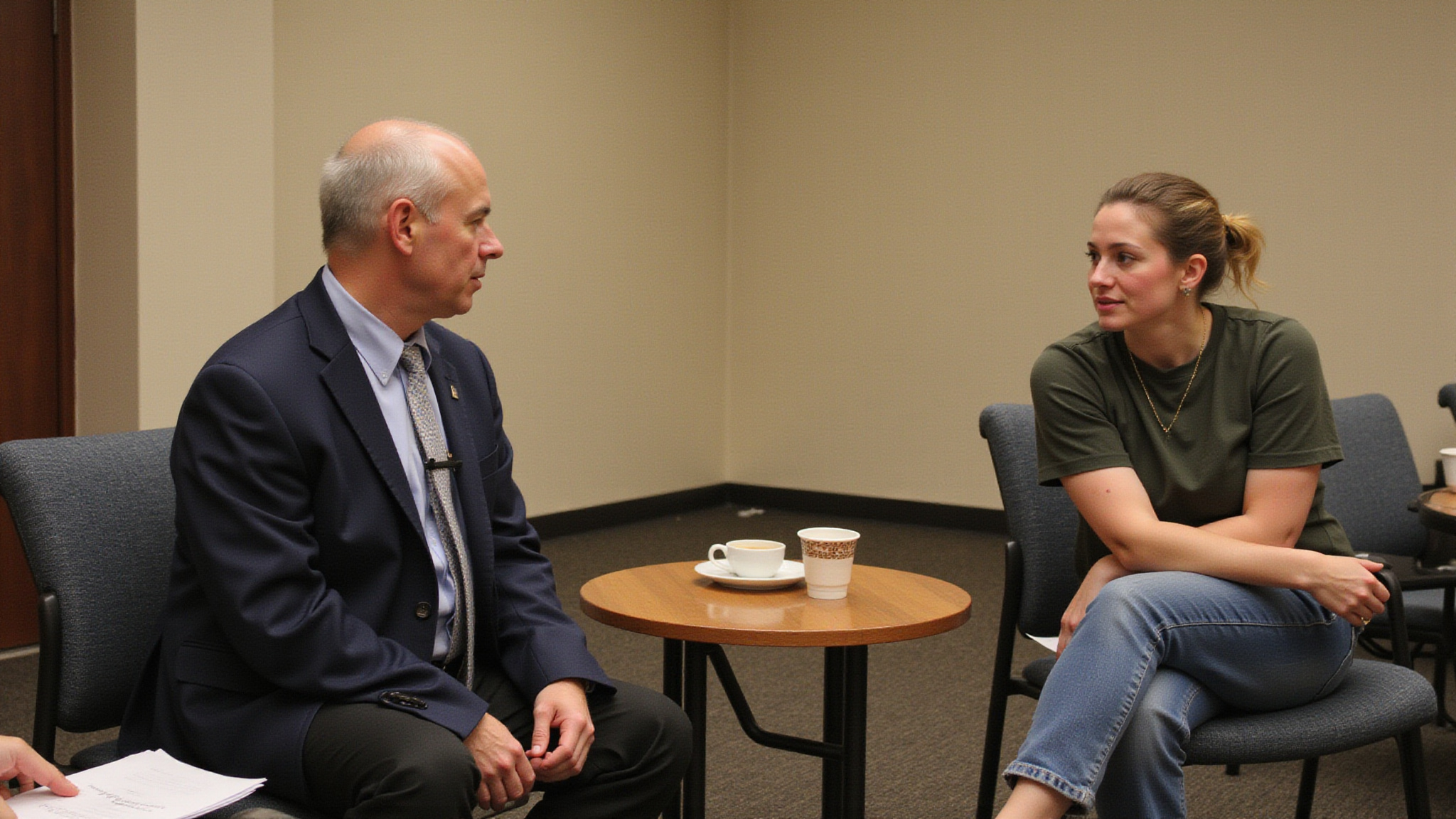




If AA and NA do not fit your beliefs or goals, you have proven options. SMART Recovery uses cognitive behavioral therapy and motivational techniques to build self-reliance. LifeRing and S.O.S. emphasize personal responsibility over surrendering to a higher power. App-based programs like Oar Health combine medication with virtual community you can reach anytime. Faith-based and holistic programs address mind, body, and spirit. Research shows these alternatives can work as well as AA.
Key Takeaways
- SMART Recovery uses cognitive behavioral therapy and motivational techniques to build self-reliance for managing addictive behavior.
- LifeRing Secular Recovery emphasizes personal responsibility and self-management, with no higher-power requirement.
- Secular Organizations for Sobriety (S.O.S.) offers a secular alternative for drug, alcohol, or food addiction without a higher power.
- Faith-based and holistic programs support the whole person through mind, body, and spiritual well-being, using mindfulness to reduce cravings and stress.
- Online and app-based options like Oar Health combine medication, virtual community, and CBT coaching while reducing transportation, scheduling, and stigma barriers.
Alternatives to AA and NA for Recovery

SMART Recovery, LifeRing Secular Recovery, and Secular Organizations for Sobriety are evidence-based alternatives to AA and NA. If the 12-step model does not fit your beliefs or goals, these programs can support your progress. SMART Recovery teaches cognitive behavioral therapy and motivational techniques to build self-reliance so you can manage addictive behavior. LifeRing and S.O.S. emphasize personal responsibility over surrendering to a higher power. How often to attend AA or NA can vary based on individual needs and circumstances. Some people find that attending meetings daily is beneficial, while others may choose to go once a week or only when they feel the need for support.
Research shows these options deliver benefits comparable to AA, and your involvement in a mutual-help group matters more than which group you pick. Whether you pursue abstinence or moderation, there is a program aligned with your values and goals.
Why People Look for Alternatives to AA and NA
People look for alternatives because the traditional 12-step model does not fit everyone’s beliefs, needs, or recovery goals. The 12-step approach asks members to admit powerlessness and surrender to a higher power, which may not feel right for people who prefer a secular or self-directed path. Alternatives like SMART Recovery, LifeRing, and Secular Organizations for Sobriety emphasize personal responsibility and self-reliance instead.
Some people also want more clinical options. Cognitive Behavioral Therapy, the Sinclair Method, and Medication Assisted Treatment offer scientifically supported approaches. And some people do not need lifetime abstinence as their goal, since certain groups accommodate moderation rather than total sobriety.
Research points to one consistent theme: being involved in a mutual-help group matters more for success than which specific group you choose.
What Are the Main Secular Alternatives to AA and NA

The main secular alternatives to AA and NA are SMART Recovery, LifeRing Secular Recovery, and Secular Organizations for Sobriety (S.O.S.). These programs set aside the idea of admitting powerlessness and instead emphasize personal responsibility, motivation, and self-reliance. Research shows they deliver benefits comparable to AA for people managing alcohol use disorders. When aa or na stops working, individuals often seek alternatives that better fit their needs. These programs can provide a supportive environment where members can share their experiences without the stigma often associated with traditional recovery methods.
- SMART Recovery: you learn cognitive behavioral therapy and motivational techniques that build self-reliance and help you manage addictive behavior.
- LifeRing Secular Recovery: you take on personal responsibility and the belief that you hold the power to manage your addiction yourself.
- Secular Organizations for Sobriety (S.O.S.): you follow a 12-step alternative addressing drug, alcohol, or food addiction without relying on a higher power.
How Faith-Based and Holistic Recovery Options Work
Faith-based and holistic recovery options work by supporting the whole person, mind, body, and spiritual well-being, rather than targeting substance use alone. Mindfulness is often a core part of this approach. Practicing mindfulness lowers stress and increases awareness, which can reduce pain, anxiety, and cravings. Instead of isolating the addiction, you treat the whole person and build balance through active participation and ongoing wellness.
These approaches combine peer support meetings with practices that sustain recovery over the long term. One thing to keep in mind: peer support groups tend to work best paired with formal addiction treatment rather than used alone. Combining holistic methods with clinical care gives you the strongest foundation for lasting sobriety. Types of recovery groups offer various options for individuals seeking support in their journey towards sobriety. These groups can range from 12-step programs to faith-based initiatives, each providing unique benefits tailored to the needs of participants.
How Online and App-Based Recovery Alternatives Work

Online and app-based recovery alternatives work by delivering evidence-based treatment through your phone or computer. Programs like Oar Health combine medication with community support you can reach anytime. These platforms remove barriers like transportation, scheduling, and stigma, letting you engage in recovery around your own life.
- Naltrexone prescriptions, shipped to your door, supporting the Sinclair Method to reduce cravings and intake.
- Virtual community forums, where you connect with peers pursuing similar goals through moderated discussions.
- CBT-based coaching sessions, delivering motivational interviewing and personalized strategies by video or messaging.
You get clinical support without a waiting room, which makes consistent participation, the strongest predictor of recovery, easier to maintain.
How the Alternatives to AA and NA Compare
The alternatives compare well against each other, and research shows the group you choose matters less than how actively you take part. In large US samples, group choice had no measurable impact on alcohol outcomes in the final analysis. Some differences still show up across programs.
| Program | Core Approach | Abstinence Requirement |
|---|---|---|
| SMART Recovery | CBT and motivation | Optional |
| LifeRing | Personal responsibility | Optional |
| Women for Sobriety | Empowerment for women | Required |
Studies confirm Women for Sobriety, SMART, and LifeRing offer benefits comparable to AA. That said, members of 12-step alternatives were somewhat less likely to report sobriety of five years or more than long-term 12-step members. Your commitment, showing up and taking part, drives success more than the specific model.
How to Choose the Right Recovery Support Option for You
Choose the right option by matching the program to your goals, beliefs, and needs. Since involvement itself drives success more than the specific group, prioritize a program you will actually engage with. Think about whether you prefer abstinence or moderation, secular self-direction or spiritual surrender, and peer support or one-on-one guidance.
- Your recovery goal: choose an abstinence-focused program like Women for Sobriety, or a more flexible one like LifeRing that allows for moderation.
- Your worldview: pick a secular option like SMART if a higher-power framework does not resonate.
- Your treatment needs: combine peer support with formal treatment, CBT, MAT, or coaching, for the strongest outcomes.
Conclusion
AA and NA help many people, but they are not the only road to recovery. Secular programs like SMART, LifeRing, and S.O.S., faith-based and holistic approaches, and app-based options combining medication with coaching all offer real, evidence-backed support. The research is consistent that staying actively involved matters more than the label on the program. The best choice is the one you will keep showing up for, ideally alongside professional care when you need it.
Find the Right Recovery Support for You
Whether AA feels right for you or you are looking for other options, connection with others in recovery is one of the strongest predictors of long-term sobriety. Through Hopeful Estates serving Kinnelon, NJ, our team connects you with trusted sober living homes that provide the right peer and sober support built around what actually works for you. Call (201) 292-0185 today.
Frequently Asked Questions
Do non-12-step programs actually work as well as AA?
For many people, yes. Studies of SMART Recovery, LifeRing, and Women for Sobriety show benefits comparable to AA for people who engage with them. The research consistently finds that how actively you participate matters more than which program you pick. AA has a much larger body of research behind it simply because it is older and bigger, but that does not mean the alternatives are less effective for the people they fit.
Can I attend more than one program at the same time?
Yes, and plenty of people do. It is common to pair SMART Recovery with AA, or to combine a peer group with medication and therapy. Mixing approaches lets you take what helps from each without committing to a single philosophy. There is no rule against attending different meetings, and for many people the combination is stronger than any one option alone.
Do I have to quit completely, or can I just cut back?
It depends on the program. AA and Women for Sobriety are built around complete abstinence, while SMART Recovery and LifeRing welcome both abstinence and moderation goals. Some medication-based approaches like the Sinclair Method are specifically designed around reducing drinking over time. If moderation is your starting goal, look for a program that supports it rather than one that requires total sobriety from day one.
Is using medication like naltrexone a real form of recovery?
Yes. Medications for alcohol use disorder, including naltrexone, are considered a gold standard of care and are backed by extensive research. Using medication is not a shortcut or a lesser path, it is a clinically supported tool that works best alongside coaching or peer support. One important caution: naltrexone should not be taken by anyone using opioids, so it needs to be prescribed and monitored by a licensed clinician rather than started on your own.
Are these alternatives as easy to find as AA meetings?
Not always, at least not in person. AA and NA have by far the most meetings and the widest geographic reach, so in some areas a local SMART or LifeRing meeting may be harder to find. The gap closes online, where secular programs and app-based options run virtual meetings you can join from anywhere. If an in-person alternative is not nearby, the online version is usually just a search away.