







Casual use crosses into serious territory when your brain’s reward system starts adapting, building tolerance, intensifying cravings, and creating emotional dependence you didn’t anticipate. You might notice you’re using more than planned, relying on substances to manage stress, or letting responsibilities slip. Nearly 1 in 6 Americans used drugs in the past month, and most didn’t see the shift coming. Recognizing early warning signs and understanding what accelerates escalation can help you take back control before it’s too late.
How Common Casual Drug Use Really Is

Many people assume drug use is something that happens on the margins of society, but the numbers tell a different story. As of 2023, 16.8% of Americans aged 12 and older used drugs in the past month, that’s 47.7 million people. Adults aged 18, 25 show the highest prevalence at 39%, and 57.5% of users hold full-time jobs. In fact, overall illicit drug use has climbed from 22.2% in 2021 to 25.5% in 2024, reflecting a steady upward trend that underscores just how normalized substance use has become.
Understanding casual drug use vs addiction starts with recognizing how widespread experimentation actually is. If you’ve used substances recreationally, you’re far from alone. However, substance use progression often begins quietly. Early initiation before age 15 increases your risk of developing a disorder by 6.5 times. Knowing these addiction growth signs helps you assess your own patterns honestly, and take action before casual use deepens into something harder to control.
How Casual Drug Use Turns Into Addiction
When you first try a drug, your brain’s reward system responds in ways that can quietly set the stage for addiction. Drugs flood your brain with dopamine at 5-10 times normal levels, creating powerful associations between the substance and pleasure. With each use, these mental pathways deepen. Over time, tolerance builds, meaning your brain requires larger amounts for the same effect.
Understanding when drug use becomes addiction starts with recognizing shifting drug use patterns. You might notice weekend use becoming daily or needing larger amounts for the same effect. This early addiction development happens gradually, your brain produces less natural dopamine, driving increased consumption before you fully realize what’s changed.
The progression from experimentation to dependence isn’t inevitable. Recognizing these neurochemical shifts early empowers you to seek support and reclaim control before compulsive patterns take hold.
The Prescription-to-Opioid Pipeline Casual Users Don’t Expect
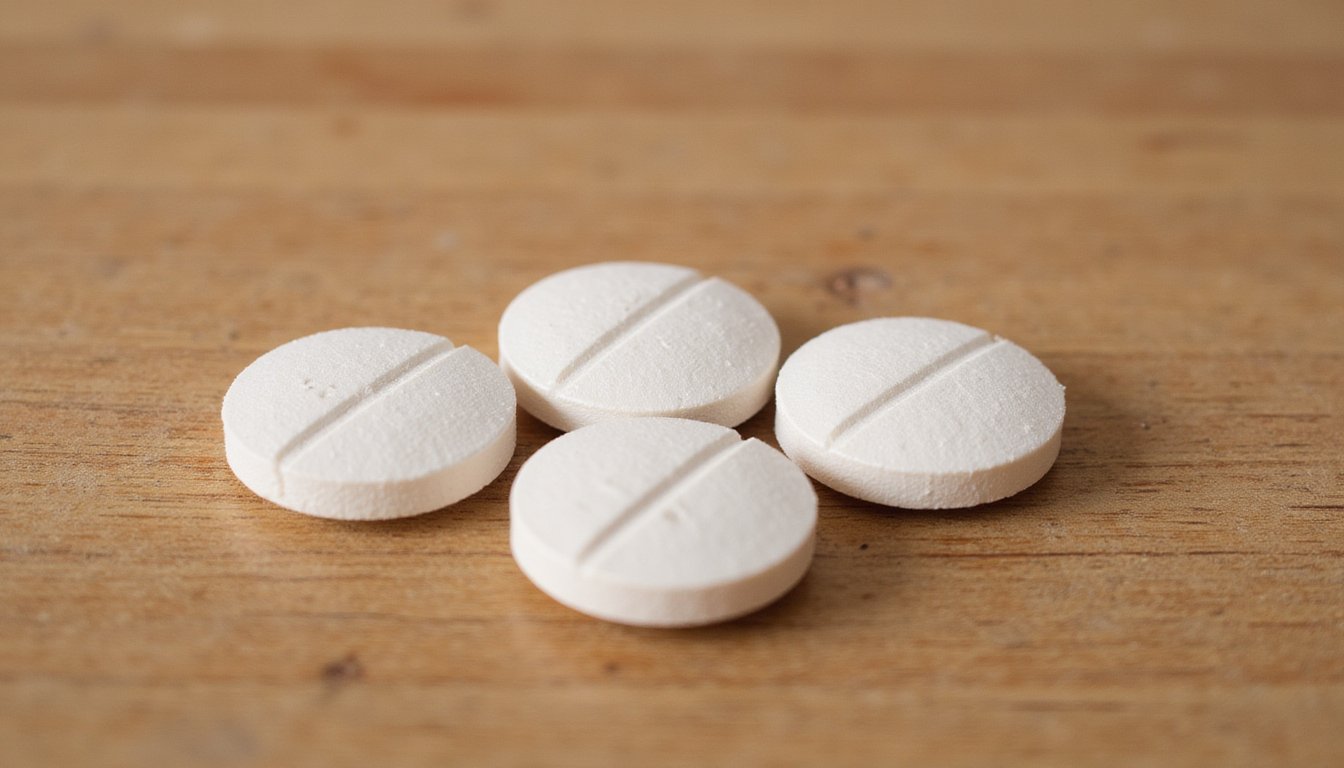
You might not realize that a legitimate prescription for pain relief can set you on a path toward dependence, nearly 80 percent of heroin users reported using prescription opioids first, and the risk of heroin initiation is 19 times higher among those with prior nonmedical pain reliever use. What starts as managing post-surgical discomfort can escalate beyond pills when tolerance builds, acquisition methods shift, and the original prescription no longer meets the body’s growing demand. This pattern marks a dramatic historical shift, as over 80 percent of those abusing opioids in the 1960s began with heroin, while 75 percent in the 2000s reported starting with prescription drugs. Understanding this unexpected pipeline, from pharmacy to illicit opioid use, empowers you to recognize early warning signs and seek support before casual use crosses a critical threshold.
Prescription Pain Starts It
A routine surgery, a sports injury, or a painful medical condition, these are the ordinary circumstances that lead doctors to prescribe opioids like oxycodone, hydrocodone, or codeine. These medications bind to your brain’s opioid receptors, blocking pain signals and triggering dopamine release that strongly reinforces repeated use.
| Factor | What Happens | Why It Matters |
|---|---|---|
| Pain Relief | Opioids block pain signals | You feel immediate comfort |
| Dopamine Release | Brain’s reward system activates | You’re driven to repeat the experience |
| Short-Term Safety | Medications work as prescribed | You don’t anticipate long-term risks |
Even when you’re following your doctor’s instructions exactly, your brain is already adapting. You didn’t choose this path, pain did. Recognizing this starting point empowers you to stay vigilant moving forward.
Escalation Beyond Pills
Because prescription opioids effectively mask pain and activate your brain’s reward circuitry, many people don’t realize how quickly casual misuse can escalate into something far more dangerous. Research shows nearly 80 percent of heroin users first misused prescription opioids, and heroin initiation is 19 times higher among those with prior nonmedical pain reliever use.
You might start obtaining pills for free from friends or family, but as tolerance builds, you’re more likely to purchase from dealers or visit multiple doctors. This behavioral shift, from casual access to active procurement, signals dependency taking hold. Resources for drug recovery support can be crucial in helping individuals break free from the cycle of dependency. Many programs offer counseling, peer support, and tools to aid in the recovery journey.
Higher initial doses and longer exposure increase your risk of long-term use. Recognizing these patterns early gives you the opportunity to seek support before casual misuse becomes a crisis you didn’t anticipate.
Heroin Becomes Next Step
Most people who casually misuse prescription painkillers don’t imagine themselves ever touching heroin, yet the data tells a starkly different story. If you’ve misused prescription opioids, your risk of initiating heroin use is 19 times higher than someone who hasn’t. Nearly 80 percent of heroin users report prior prescription opioid use, and among young urban injection drug users, 86 percent used prescription painkillers nonmedically first.
This isn’t a coincidence, it’s a pipeline. In the 2000s, 75 percent of people entering opioid addiction started with prescriptions, reversing the 1960s pattern where over 80 percent started with heroin directly.
You didn’t choose this trajectory, but you can interrupt it. Recognizing where casual misuse leads gives you the clarity to seek help before the next step takes hold.
The Mental Health Fallout of Casual Drug Use

Even when drug use feels controlled and infrequent, it actively disrupts the brain’s chemical messaging system, altering how neurotransmitters send, receive, and process signals. A single cocaine use can restructure brain function, while cannabis increases your risk of anxiety and depression.
| Risk | What Happens |
|---|---|
| Pre-existing conditions | Anxiety, depression, or bipolar symptoms intensify; psychiatric medications lose effectiveness |
| Drug-induced psychosis | Hallucinations, paranoia, and delusional thinking emerge, even after one use |
| Cognitive decline | Memory, attention, and executive function deteriorate, persisting after cessation |
| Psychological dependency | Intense cravings develop rapidly, with withdrawal producing depression and suicidal ideation |
You don’t have to reach crisis point before seeking help. Early recognition empowers you to reclaim your mental health through professional support and informed action. Recognizing the signs it’s time to seek help is crucial for maintaining well-being. It can feel overwhelming, but reaching out for support can lead to significant positive changes in your life.
Why Casual Drug Use Hits Younger People Harder
If you’re young and experimenting with drugs, your brain’s ongoing development makes you considerably more vulnerable to addiction than an adult in the same situation. Because the prefrontal cortex, responsible for decision-making and impulse control, isn’t fully developed until your mid-20s, you’re more likely to escalate use quickly, respond more intensely to a drug’s rewarding effects, and shift faster from casual use to a substance use disorder. Recognizing these heightened risks isn’t meant to alarm you, it’s meant to empower you to seek support before casual experimentation becomes something much harder to walk away from.
Youth Escalation Risk Factors
Because the adolescent brain is still actively developing, it responds to substances in ways that make casual use far more dangerous for younger people than for adults. Tolerance and cravings build faster, and even a single exposure can trigger lasting neurobiological changes.
Several key factors accelerate this escalation:
- Impulsivity and sensation-seeking, These traits independently increase drug use odds by two to four times.
- Peer substance use, Association with substance-using peers raises escalation risk by 2.5 times or more.
- Untreated mental health conditions, Anxiety, depression, ADHD, and trauma drive youth toward substances as coping substitutes.
- Deficient family supervision, Poor monitoring and parental attitudes favorable to substance use remove critical protective barriers.
If you recognize these factors, early intervention can redirect the trajectory toward recovery.
Adolescent Vulnerability to Addiction
| Adolescent Brain Factor | Impact on Addiction Risk |
|---|---|
| Heightened reward sensitivity | Substance use feels disproportionately reinforcing |
| Underdeveloped impulse control | You’re less equipped to resist cravings |
| Smaller reward/control brain volumes | Neurological predisposition to initiation |
| Early exposure (before age 15) | Six times greater likelihood of dependence |
Understanding these vulnerabilities isn’t discouraging, it’s empowering. When you recognize that your brain’s wiring creates real risk, you can seek targeted support before casual use reshapes your neurology permanently.
Signs Your Casual Use Has Already Crossed the Line
Though the shift from casual use to a problem rarely announces itself, there are clear signs it’s already happened. If you’re honest with yourself, you may recognize patterns that point to something deeper than occasional indulgence.
Watch for these key indicators:
- Increased tolerance, you need more to achieve the same effect.
- Loss of control, you use more often or longer than you intended.
- Emotional dependence, you rely on the substance to manage stress, anxiety, or sadness.
- Daily disruption, your responsibilities, relationships, or health are suffering.
You don’t need to hit rock bottom to take action. Recognizing even one of these signs means you’re already aware something’s shifted. That awareness is your strongest starting point toward reclaiming control and seeking support. Seeking support for personal struggles can lead to powerful transformations. It opens the door to understanding your feelings and enhancing your coping strategies.
What to Do When Casual Use Stops Being Casual
Take a step back and honestly assess where you stand. Track your use patterns, frequency, triggers, and moments where you exceeded what you intended. A journal can reveal shifts you might otherwise overlook. If cravings are intensifying or responsibilities are slipping, those aren’t minor details. They’re data points signaling escalation.
Don’t wait for a crisis. Seek professional guidance early, before patterns become entrenched. A counselor or healthcare provider can help you address root causes like stress, anxiety, or environmental triggers that fuel increased use.
Evaluate your social circle and surroundings honestly. If certain people or settings consistently lead to heavier use, modify those circumstances. Substance use exists on a spectrum, and early intervention keeps you from sliding further along it. Awareness paired with action is your strongest tool.
Frequently Asked Questions
Can Casual Drug Use Cause Permanent Brain Changes Even Before Addiction Develops?
Yes, casual drug use can cause permanent brain changes before addiction develops. Even limited exposure alters your brain’s structure and chemistry, reducing dopamine receptors, damaging gray matter, and reshaping neural connections tied to decision-making and impulse control. Some of these changes persist for months or even years. However, your brain possesses remarkable healing capacity. With sustained abstinence and proper support, you can experience significant recovery and regain cognitive function over time.
How Long Does It Typically Take for Casual Use to Become Addiction?
The timeline varies considerably depending on the substance you’re using and your individual risk factors. Cocaine can lead to dependence within four years, while alcohol may take around thirteen years. However, highly addictive substances like heroin or opioids can create compelling cravings after even a single use. Your genetics, mental health, and age at first use all influence how quickly casual use escalates. Recognizing early warning signs empowers you to seek support sooner.
Does Casual Drug Use Affect Your Ability to Maintain Healthy Romantic Relationships?
Yes, casual drug use can affect your romantic relationships. Over time, it may reduce emotional intimacy, erode trust through concealment or dishonesty, and shift quality time toward substance-centered activities. You might notice communication becoming more defensive or withdrawn. If you’re using substances together, initial bonding can deteriorate into conflict and financial strain. Recognizing these patterns early empowers you to seek support, rebuild connection, and prioritize the emotional health of your relationship.
Can Someone Return to Casual Use After Recovering From a Substance Use Disorder?
Returning to casual use after recovering from a substance use disorder is extremely risky. Addiction changes your brain’s structure and function, making controlled use very difficult. Even one instance of use can trigger a rapid spiral back into compulsive behavior. Research shows 40-60% of people in recovery experience relapse. Instead of testing those odds, you’re better served by strengthening your support systems, avoiding triggers, and working with addiction specialists to maintain your sobriety.
Are Certain Personality Types More Likely to Progress From Casual Use to Addiction?
Yes, certain personality traits can increase your risk. If you’re highly impulsive, drawn to novelty and sensation-seeking, or experience intense emotional vulnerability, you’re more susceptible to progressing from casual use to addiction. High openness to experience and nonconformist tendencies can also elevate your risk. Understanding your personality profile isn’t a limitation, it’s a powerful tool. By recognizing these patterns early, you can seek targeted support and develop strategies that protect your well-being.